


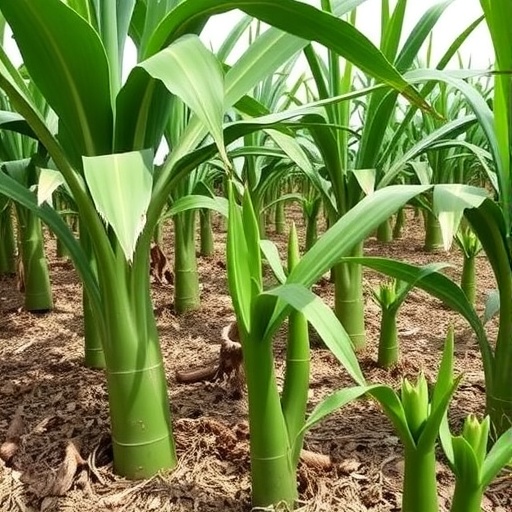
In a groundbreaking study published in Waste Biomass Valor, researchers led by Lu et al. delve into the complex realm of biogas production. Their research centers on analyzing the kinetic processes and microbial community dynamics associated with the decomposition of sugarcane leaves. This renewable resource, often overlooked, holds vast potential for sustainable energy generation. The exploration of biogas production from sugarcane leaves opens new avenues for harnessing biological materials for eco-friendly energy solutions.
Biogas production has emerged as a viable alternative energy source, gaining momentum globally due to the growing concerns over fossil fuel depletion and climate change. The unique microbial processes involved in biogas generation make it a multifaceted phenomenon. The researchers’ rigorous exploration into these dynamics, particularly the influence of different components of sugarcane leaves, sheds light on the crucial factors that enhance biogas yield.
One of the key highlights of the study is the kinetic analysis conducted by the research team. This analytical approach allows for the precise measurement of the rates at which biogas is produced from the various components of sugarcane leaves. By focusing on the breakdown of lignocellulosic structures, the team illuminates how different proportions and processing methods can dramatically affect methane yields. Their findings indicate significant variations based on the specific components utilized, providing essential insights for optimizing biogas production protocols.
The researchers employed advanced methodologies, including metagenomic analysis, to investigate the microbial communities present during the breakdown of the sugarcane leaves. Understanding the composition and dynamics of these microbial communities is essential for enhancing biogas production. The team’s findings show that specific microbial populations are more efficient at degrading cellulose and lignin, the primary components of sugarcane leaves, thus playing a pivotal role in biogas production efficacy.
Moreover, the paper emphasizes the importance of substrate pretreatment in mobilizing the energy locked within sugarcane leaves. Various pretreatment techniques can enhance the access of microbial communities to lignocellulosic fibers, facilitating their breakdown. By exploring these pretreatment strategies, the researchers aim to maximize methane production, hinting at the combination of thermal, chemical, and biological methods as the most effective approach.
In addition to the technical insights, the study presents a robust experimental design that reinforces the validity and reliability of the findings. The research includes a series of controlled experiments that simulate the anaerobic digestion process under various conditions. This comprehensive framework allows for a thorough understanding of how environmental parameters affect microbial activity and, consequently, biogas production.
The findings not only provide a detailed picture of microbial dynamics but also suggest practical applications for waste management and energy production. The use of sugarcane leaves, a by-product of the agricultural industry, could significantly reduce waste while providing an organic source of energy. This duality of waste reduction and energy production aligns perfectly with goals of sustainable development and circular economy.
As part of their analysis, Lu et al. offer insights into the challenges of scaling up biogas production from sugarcane leaves. They discuss the economic feasibility of conversion processes and highlight potential barriers to widespread implementation. Understanding these challenges is crucial for stakeholders considering biogas projects, whether in community settings or larger-scale operations.
The implications of this research extend beyond the immediate context of biogas production from sugarcane leaves. The methodologies developed and the findings presented can inform future studies focusing on other lignocellulosic materials. The versatility of the principles underlying the microbial digestion of biomass can be explored across a variety of substrates, thereby expanding the potential for renewable energy sources.
Furthermore, the article underscores the multifaceted benefits of investing in biogas technology. Not only does it present an opportunity for energy generation, but it also offers a pathway for agricultural innovations. Utilizing agricultural residues, such as sugarcane leaves, can enhance environmental sustainability by reducing reliance on synthetic fertilizers and improving soil health through biofertilizer applications derived from digestate.
As the world grapples with the impacts of climate change, the exploration of alternative energy sources becomes increasingly urgent. The compelling evidence presented by Lu et al. underscores the need for further research into biomass energy production, particularly from underutilized resources like sugarcane leaves. By tapping into the potential of these agricultural by-products, it is possible to develop more resilient and sustainable energy systems.
In conclusion, the research led by Lu, Li, and Peng provides crucial insights into the kinetics and microbial dynamics of biogas production from sugarcane leaves. The comprehensive investigation described in their article paves the way for future innovations in biogas technology, emphasizing the potential for sustainable energy solutions while minimizing waste. This study serves as a clarion call for researchers and industry practitioners alike to invest in exploring the untapped resources within our agricultural systems to fuel a greener future.
Lu, B., Li, X., Peng, T. et al. Kinetic Analysis and Microbial Community Dynamics of Biogas Production from Different Components of Sugarcane Leaf.
Waste Biomass Valor (2025). https://doi.org/10.1007/s12649-025-03298-w
Cite Scienmag News
Morgan Morrow. (September 4, 2025). Biogas Production from Sugarcane Leaf: Microbial Insights. Scienmag. https://scienmag.com/biogas-production-from-sugarcane-leaf-microbial-insights/
Morgan Morrow. "Biogas Production from Sugarcane Leaf: Microbial Insights." Scienmag, 4 September 2025, https://scienmag.com/biogas-production-from-sugarcane-leaf-microbial-insights/. Accessed 4 September 2026.
Morgan Morrow. "Biogas Production from Sugarcane Leaf: Microbial Insights." Scienmag. September 4, 2025. https://scienmag.com/biogas-production-from-sugarcane-leaf-microbial-insights/


