


In the ever-evolving world of nutritional science and biotechnology, a groundbreaking study has emerged, revealing fascinating insights into the potential of selenium-enriched spent yeast cultivated in corn hydrolysate. This research, spearheaded by a team of scientists including Mota, Calegari, and Pinto, elevates our understanding of yeast as not just a byproduct of fermentation, but as a pivotal player in enhancing dietary selenium—an essential micronutrient often lacking in many diets. The findings have crucial implications for both human health and agricultural sustainability, as they explore the antioxidant properties and biomass production capabilities of this innovative cultivation method.
Yeast, traditionally known for its role in baking and brewing, is gaining renewed attention for its potential health benefits. In this study, the researchers specifically looked at spent yeast, which is the leftover yeast after fermentation. Instead of being discarded, this spent yeast was biofortified with selenium, a vital micronutrient known for its antioxidant properties that can help combat oxidative stress in the body. By utilizing corn hydrolysate—essentially a nutrient-rich byproduct from corn processing—the team was able to cultivate selenium-biofortified yeast efficiently, maximizing both nutritional value and sustainability.
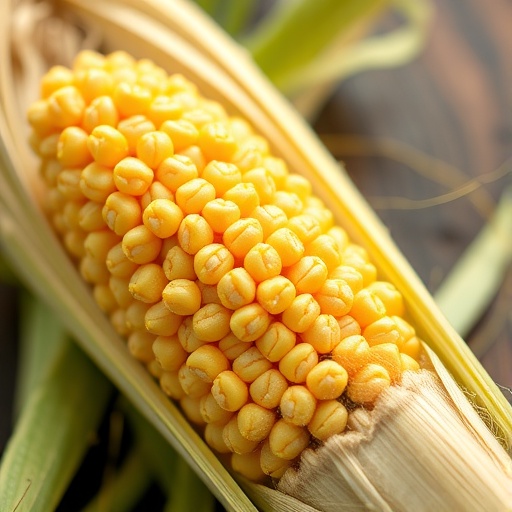
The method of culturing yeast in corn hydrolysate instead of traditional growth mediums represents a significant innovation in biotechnology. Corn hydrolysate is laden with sugars and amino acids that promote rapid yeast growth, providing a cost-effective and environmentally friendly alternative to synthetic culture media. This approach addresses both economic and ecological concerns, particularly in a world increasingly focused on sustainable food production systems. The implications of this research are profound, as it could enable the production of highly nutritious food supplements that also reduce waste within food processing industries.
The research delves further into the conditions under which the selenium-biofortified yeast thrives. The team conducted experiments in both aerobic and anaerobic environments, providing valuable insight into the different metabolic pathways the yeast exploits. Under aerobic conditions, yeast can maximize energy production, leading to higher biomass yield and selenium accumulation. Conversely, anaerobic conditions invoke a different metabolic response, which could also be advantageous under specific circumstances. These findings not only broaden the understanding of yeast biology but also open up new avenues for the production of nutritional supplements that cater to diverse dietary needs.
Antioxidants play a vital role in promoting human health by neutralizing harmful free radicals in the body. The biofortified yeast’s increased antioxidant response, as assessed in the study, suggests its potential as a functional food ingredient that could enhance dietary selenium intake. This is particularly significant in regions where selenium deficiency is prevalent, leading to various health issues including impaired immune function, cognitive decline, and increased risk of chronic diseases. By incorporating selenium-enriched yeast into the diet, individuals may improve their overall health and well-being.
As the world faces escalating health challenges such as malnutrition and chronic diseases, the relevance of research like this cannot be overstated. The ability to cultivate a nutrient-enriched superfood using sustainable practices could revolutionize how we think about food production. This aligns seamlessly with global goals aimed at eradicating hunger and fostering sustainable agriculture, showcasing the power of innovative biotechnology in addressing pressing issues.
Furthermore, the study raises questions about the future of food biotechnology. With advancements in genetic engineering and microbial fermentation, the possibilities are expanding beyond traditional food sources. Yeast, with its unique metabolic capabilities, stands at the forefront of this shift, offering a vehicle for biofortification and nutritional enhancement. As consumer awareness grows around functional foods and their health benefits, there could be substantial market demand for selenium-biofortified products.
This research is also likely to capture the interest of food scientists and policymakers alike. By elucidating the mechanisms by which yeast responses to different cultivation conditions influence antioxidant properties, it provides a framework for further inquiries. Future studies could explore the health benefits of incorporating such biofortified yeast into common food products, ultimately leading to richer, more nutritious diets for diverse populations worldwide.
Beyond the immediate health benefits, this work may also contribute to circular economy models in the food industry. Utilizing spent yeast that would otherwise go to waste into a valuable nutritional supplement illustrates how industries can adapt to more sustainable practices. As the drive towards sustainability becomes increasingly mainstream, such innovations could inspire new business practices and environmental policies.
The implications of this study for agricultural practices cannot be overlooked either. The use of corn hydrolysate as a growth substrate not only provides a means to enhance yeast production but also signifies a method of valorizing agricultural byproducts. This promotes an integrated approach to waste management within the food industry, helping to close the loop between production and consumption.
Moreover, understanding how to enhance the antioxidant capacity of food sources through biotechnology could be instrumental in designing future dietary strategies aimed at improving population health. With the dual challenges of an aging population and rising healthcare costs, the development of functional foods that promote long-term health is more critical than ever. The selenium-biofortified yeast stands as a promising candidate in this regard.
The study by Mota and colleagues represents a major step forward in the science of biofortification, revealing the practical applications of yeast in promoting health through nutritional enhancement. As the research community continues to explore these avenues, it holds the potential to significantly impact public health strategies and food security initiatives.
In closing, the prospects of incorporating selenium-biofortified spent yeast into our diets represent a paradigmatic shift in the way we perceive and utilize food byproducts. With its ability to combine sustainability, health, and innovation, this study paves the way for future research and development in the field of biofortification and functional foods. As we look to the future, the integration of such cutting-edge research will be pivotal in addressing global nutrition challenges.
This study is not just about yeast or selenium; it’s a testament to the power of scientific inquiry and innovation in shaping healthier, more sustainable futures.
Cite Scienmag News
Daisy Hatcher. (October 14, 2025). Biofortified Yeast in Corn Hydrolysate: Antioxidant Boost. Scienmag. https://scienmag.com/biofortified-yeast-in-corn-hydrolysate-antioxidant-boost/
Daisy Hatcher. "Biofortified Yeast in Corn Hydrolysate: Antioxidant Boost." Scienmag, 14 October 2025, https://scienmag.com/biofortified-yeast-in-corn-hydrolysate-antioxidant-boost/. Accessed 5 September 2026.
Daisy Hatcher. "Biofortified Yeast in Corn Hydrolysate: Antioxidant Boost." Scienmag. October 14, 2025. https://scienmag.com/biofortified-yeast-in-corn-hydrolysate-antioxidant-boost/


