


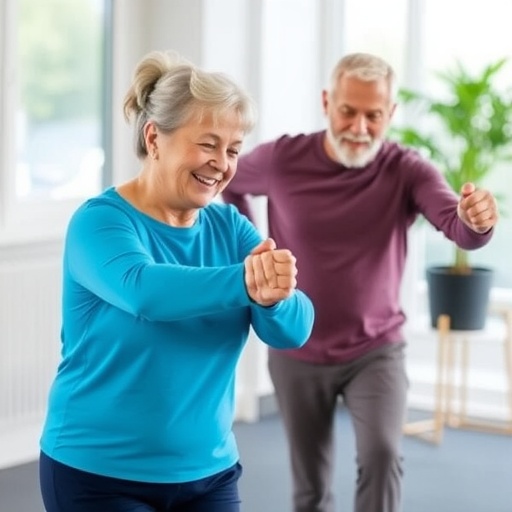
A major synthesis of clinical evidence is putting exercise at the center of a growing conversation about how to support older adults living with cancer. The study, titled “Comparative efficacy of different exercise interventions for improving quality of life, depression, and anxiety in older adults with cancer,” uses a systematic review and network meta-analysis to compare several forms of physical activity across outcomes that are often overshadowed by survival statistics: emotional health, daily functioning, and overall quality of life.
Cancer in later life presents a uniquely complex medical challenge. Older adults are more likely to live with multiple chronic conditions, reduced muscle strength, frailty, medication-related side effects, and treatment complications. Chemotherapy, radiotherapy, surgery, immunotherapy, and hormone-based treatments can all contribute to fatigue, pain, sleep disruption, loss of independence, depression, and anxiety. These effects may persist long after treatment ends, making quality of life a critical measure of cancer care rather than a secondary concern.
Exercise has emerged as a potentially powerful, non-pharmacological intervention. However, “exercise” is not a single treatment. Aerobic training, resistance exercise, balance activities, stretching, mind–body practices, and combined programs place different demands on the body and may influence psychological health through different biological pathways. Aerobic activity can improve cardiovascular capacity and energy metabolism, while resistance training may counteract sarcopenia, the age-related loss of muscle mass and strength. Balance and flexibility work may improve confidence and reduce fear of falling, whereas programs incorporating breathing, controlled movement, or mindfulness may directly affect stress regulation.
Traditional systematic reviews generally compare one intervention with a control group or examine pairs of treatments. Network meta-analysis expands that approach by combining direct and indirect evidence. For example, if one group of clinical trials compares aerobic exercise with usual care, and another compares resistance training with usual care, researchers can estimate the relative performance of aerobic and resistance training even when the two have not been tested head-to-head in the same trial. Statistical models then allow interventions to be ranked according to their likely effects, while accounting for uncertainty in the available evidence.
The outcomes examined in this research are particularly important for older adults with cancer. Quality of life is a broad, multidimensional measure that can include physical functioning, fatigue, pain, social participation, emotional well-being, and the ability to perform everyday activities. Depression and anxiety, meanwhile, are not simply emotional reactions to diagnosis. They can affect treatment adherence, sleep, appetite, rehabilitation, immune function, and willingness to remain physically active. Improvements in these areas may therefore have consequences that extend beyond psychological comfort, potentially helping patients participate more fully in their own recovery.
The analysis reflects a shift in cancer rehabilitation toward personalized exercise prescriptions. Rather than asking whether exercise works in general, clinicians increasingly need to know which type, intensity, duration, and delivery format is most suitable for a particular patient. An older adult receiving chemotherapy may require a lower-intensity, supervised program focused on maintaining mobility and strength. Another patient recovering from surgery may benefit from progressive resistance training, while someone experiencing persistent anxiety may respond well to a program that combines gentle movement with breathing and relaxation techniques. The most effective intervention in a statistical ranking may not always be the most practical or safest option for every individual.
The technical strength of a network meta-analysis depends on the quality and comparability of the trials it brings together. Researchers must evaluate whether studies used similar patient populations, cancer types, treatment stages, exercise doses, follow-up periods, and measurement tools. They also assess heterogeneity, which describes how much study results differ from one another. High heterogeneity can arise when one trial uses supervised hospital-based training and another relies on unsupervised home exercise, or when participants range from robust older adults to people with severe frailty. Such variation does not invalidate the findings, but it affects how confidently the results can be generalized.
The review also highlights a practical issue that is increasingly visible in geriatric oncology: adherence. A theoretically effective exercise program has limited value if patients cannot sustain it. Transportation barriers, treatment fatigue, pain, fear of injury, limited access to trained professionals, and financial constraints can all reduce participation. Home-based and remotely supervised programs may improve accessibility, while group-based sessions can provide social support and motivation. At the same time, exercise intensity must be carefully adjusted, particularly for people with bone metastases, cardiovascular disease, neuropathy, anemia, or balance impairment. Safety screening and professional supervision remain essential.
The broader message is that exercise should be viewed as part of integrated cancer care rather than an optional lifestyle recommendation. The evidence synthesized in this study supports the idea that structured physical activity can influence several interconnected dimensions of health at once: physical capacity, emotional resilience, independence, and perceived well-being. Yet the findings also underline the need for better trials, especially those involving adults over 70, people with advanced cancer, and patients with frailty or multiple illnesses. Future research will need to report exercise dose more precisely, monitor adverse events consistently, and determine whether improvements remain after supervised programs end.
As the number of older cancer survivors continues to grow, the demand for interventions that are effective, adaptable, and affordable will only increase. Network meta-analysis offers researchers a way to navigate a crowded field of exercise strategies and identify the programs most likely to help. The emerging scientific picture is not that one universal workout will transform cancer recovery, but that carefully prescribed movement may become a core component of supportive oncology. For patients, the result could be a treatment plan that measures success not only in months of survival, but also in strength, confidence, emotional stability, and the ability to live well during and after cancer.
Cite Scienmag News
Glenn Wilkins. (August 5, 2026). Best Exercises Improve Wellbeing, Depression and Anxiety in Older Adults With Cancer. Scienmag. https://scienmag.com/best-exercises-improve-wellbeing-depression-and-anxiety-in-older-adults-with-cancer/
Glenn Wilkins. "Best Exercises Improve Wellbeing, Depression and Anxiety in Older Adults With Cancer." Scienmag, 5 August 2026, https://scienmag.com/best-exercises-improve-wellbeing-depression-and-anxiety-in-older-adults-with-cancer/. Accessed 5 September 2026.
Glenn Wilkins. "Best Exercises Improve Wellbeing, Depression and Anxiety in Older Adults With Cancer." Scienmag. August 5, 2026. https://scienmag.com/best-exercises-improve-wellbeing-depression-and-anxiety-in-older-adults-with-cancer/


