


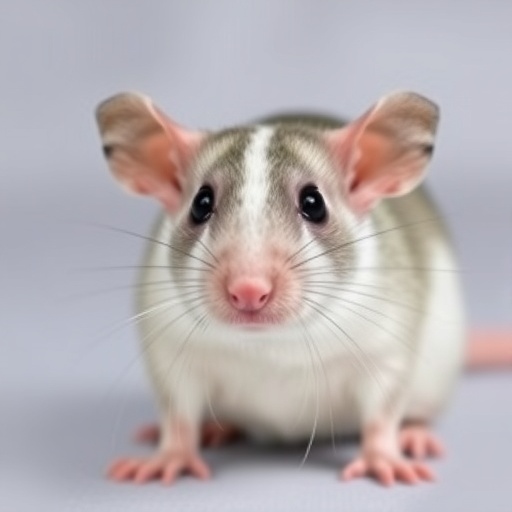
In a groundbreaking exploration into neurodevelopmental disorders, a recent study led by Kim et al. presents compelling evidence that spontaneously hypertensive rats (SHRs) can serve as a robust animal model for investigating Attention Deficit Hyperactivity Disorder (ADHD). Published in Translational Psychiatry in 2026, this research dives deep into the complex behavioral phenotyping of male SHRs, unveiling latent trait mappings that convincingly mirror the multidomain facets of human ADHD, thus addressing a long-standing need for valid, translatable preclinical models.
ADHD is a condition characterized by persistent patterns of inattention, hyperactivity, and impulsivity, but its etiology and symptom expression are remarkably heterogeneous. This heterogeneity poses significant challenges in studying its underlying neurobiology. By implementing a comprehensive battery of behavioral assays, the researchers embarked on a meticulous profiling of SHRs, which have previously been considered potential models for ADHD but lacked sufficiently mapped multidimensional behavioral traits aligned with the disorder’s clinical presentation.
The analytical rigor of this study is evident in its latent trait mapping approach, a sophisticated statistical technique that deconstructs behavioral data into underlying dimensions or factors. Rather than relying on surface-level observations, this method assesses deep-rooted behavioral constructs, enabling a more granular understanding of how SHRs’ actions parallel those observed in human ADHD patients. These latent constructs span domains of cognitive function, attention regulation, hyperactivity, and impulsivity, offering an unprecedented framework for preclinical ADHD study.
Through extensive behavioral testing—ranging from open field tests assessing hyperactive locomotion, to delay discounting paradigms evaluating impulsive decision-making—the research team identified distinct, reproducible behavioral phenotypes within SHRs. The robust hyperactivity displayed was not mere random movement; instead, it reflected an underlying dysregulated motor function akin to what is seen in ADHD children. Notably, the impulsivity measures corroborated with cognitive flexibility impairments, creating a multidomain behavioral signature that has been elusive in prior models.
These findings have pivotal implications for neuropharmacology. Given that SHRs consistently reproduce ADHD-like phenotypes across distinct behavioral domains, they provide an ideal platform for testing novel therapeutic agents targeted at ameliorating the complex symptomatology of ADHD. Traditional models often fail to integrate the multidimensional nature of the disorder, but this validated SHR model bridges that gap, offering translational relevance that may accelerate drug discovery and behavioral intervention strategies.
Moreover, the study addresses the comorbidity frequently observed in ADHD, such as anxiety and mood dysregulation, by delineating behavioral patterns indicative of emotional distress within SHRs. This multidomain behavioral profiling could, therefore, open avenues to investigate overlapping neuropsychiatric conditions within a controlled experimental paradigm, allowing for a more nuanced understanding of ADHD’s pathophysiology and its broader neurobehavioral impacts.
Underlying these behaviors, the SHR model’s genetic and neurochemical idiosyncrasies mirror several aspects identified in human ADHD neuropathology. Notably, alterations in dopaminergic and noradrenergic pathways—central to attention and executive control—are prominent in both SHRs and ADHD patients. The study’s integration of neurobiological data with behavioral phenotyping reinforces the construct validity of the SHR model, solidifying its role as a cornerstone in ADHD research.
In the realm of methodology, this comprehensive assessment involved a longitudinal framework, capturing developmental trajectories of behaviors from juvenile stages into adulthood in SHRs. This approach is critical, reflecting how ADHD symptoms tend to evolve over time in humans. By revealing stable and fluctuating behavioral dimensions, the research accentuates the importance of temporal dynamics in neurodevelopmental disorders, and provides a template for studying intervention timing and long-term outcomes.
Interestingly, the research emphasizes the sex-specific dimensions by focusing on male SHRs, paralleling the higher prevalence and differential symptom expression of ADHD observed in human males. This focus sets the stage for future investigations into female SHR models, which could illuminate sex differences in ADHD pathophysiology and treatment responsiveness, an understudied yet crucial aspect in psychiatric research.
Beyond translational applications, the latent trait framework offers a model-independent platform for deconstructing complex behavioral syndromes. This methodological innovation can be extended to other neuropsychiatric and neurodevelopmental conditions where multidimensional symptom profiles challenge traditional categorical diagnostics. Thus, the implications of the study transcend ADHD, proposing a new paradigm for behavioral phenotyping in animal models.
The societal impact of this research is profound. ADHD affects millions worldwide, impairing academic achievement, occupational performance, and social relationships. By providing a meticulously validated animal model that recapitulates the disorder’s complexity, Kim et al. not only advance scientific understanding but also pave the way for more efficacious interventions that could alleviate the global burden of ADHD.
Critically, the multi-assay behavioral approach adopted here mitigates the often fragmented understanding gleaned from isolated tests. The integrative analysis encompassing attention, hyperactivity, impulsivity, and emotional parameters exemplifies a holistic strategy. This multidimensional characterization aligns with the move toward more personalized medicine approaches in psychiatry, where understanding individual variability is key to tailored therapies.
Furthermore, the study’s exhaustive data collection and analytical transparency set new standards for reproducibility and open science in psychiatric research. By making their behavioral datasets and latent trait mappings accessible, the authors invite the scientific community to validate, extend, and refine their findings, fostering collaborative advancements in ADHD modeling and beyond.
As ADHD research moves toward uncovering the neural circuitry underpinning symptoms, the SHR model validated here offers a bridge to in vivo mechanistic studies employing electrophysiology, optogenetics, and imaging. Researchers can now target specific latent behavioral traits with precise neurobiological interventions, deciphering causal pathways and identifying biomarkers for diagnosis and treatment response.
In summary, this landmark study redefines ADHD preclinical research by methodologically validating male spontaneously hypertensive rats as a multidimensional model for the disorder. The integration of latent trait mapping into behavioral phenotyping unravels new depths of understanding about ADHD’s heterogeneity and neurobiological substrates. This model’s translational potential stands to revolutionize future therapeutic development and improve outcomes for those affected globally.
As neuroscience continues to unravel the intricate tapestry of ADHD, the framework established by Kim et al. sets a precedent for how rigorous, multidomain behavioral characterization combined with cutting-edge statistical modeling can elevate animal research from simplistic analogs to nuanced, precisely validated models. This paradigm shift holds promise not only for ADHD but for the broader landscape of neuropsychiatric disorder research.
Cite Scienmag News
Glenn Wilkins. (May 9, 2026). Behavioral Profiling Validates ADHD Model in Hypertensive Rats. Scienmag. https://scienmag.com/behavioral-profiling-validates-adhd-model-in-hypertensive-rats/
Glenn Wilkins. "Behavioral Profiling Validates ADHD Model in Hypertensive Rats." Scienmag, 9 May 2026, https://scienmag.com/behavioral-profiling-validates-adhd-model-in-hypertensive-rats/. Accessed 4 September 2026.
Glenn Wilkins. "Behavioral Profiling Validates ADHD Model in Hypertensive Rats." Scienmag. May 9, 2026. https://scienmag.com/behavioral-profiling-validates-adhd-model-in-hypertensive-rats/


