


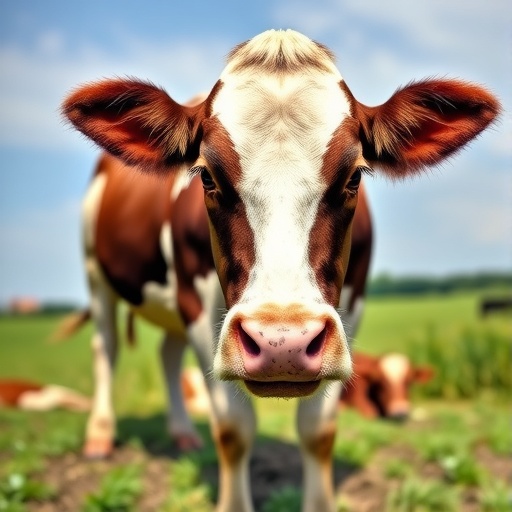
In the ever-evolving field of animal nutrition, new research continues to explore alternative feed sources that can improve livestock productivity while minimizing environmental impact. One such study that has garnered significant attention is the work of Rahimi and Azizi, which investigates the potential of beet-vinasse as a substitute for urea in the diets of lactating cows. Urea, a common nitrogen source in cattle feed, has faced scrutiny for its impact on both animal health and the environment. The search for sustainable alternatives is more pressing than ever, and providing a balanced nutrient profile for lactating cows is crucial for optimizing their health and production metrics.
Beet-vinasse, a byproduct of the sugar beet processing industry, is often discarded as waste. However, recent findings suggest that this high-energy feed ingredient might serve a dual purpose: reducing waste and enhancing cattle diets. The research conducted by Rahimi and Azizi aims to assess the effects of incorporating beet-vinasse into lactating cow diets, particularly examining aspects such as feed intake, overall performance, digestibility, and blood metabolite levels. The possibility of integrating waste products into livestock diets could transform our approach to animal husbandry, leading to more sustainable practices.
One of the standout features of this study is its focus on the comparative performance of dairy cows fed with traditional urea-based diets versus those receiving formulations that include beet-vinasse. Early findings show that cows consuming beet-vinasse not only exhibit higher feed intake but also demonstrate improved weight gain and milk production. This is particularly significant as farmers seek ways to boost yield and profitability amid rising costs of conventional feed sources. The potential for beet-vinasse to enhance milk yield presents an interesting opportunity for dairy producers committed to sustainable practices.
The digestibility of nutrients in any feed is vital for livestock health, and this study delves deep into that aspect. Through rigorous analysis, Rahimi and Azizi present evidence suggesting that the inclusion of beet-vinasse may lead to improved digestibility of key nutrients. Enhanced digestibility means that cows can better utilize the feed they consume, translating into both better health and higher productivity. This is a critical takeaway for producers looking to make informed decisions about their feeding strategies and the ingredients they utilize.
Blood metabolites serve as important indicators of an animal’s nutritional status and overall well-being. The research assesses how dietary changes affect these vital markers. In their findings, Rahimi and Azizi identify noteworthy shifts in blood metabolite levels when cows are fed diets containing beet-vinasse. Such alterations can have profound implications for animal health, management practices, and the broader understanding of nutritional biochemistry in livestock. Enhanced health and metabolic profiles of lactating cows could inspire further interest in the environmental benefits of reusing agricultural waste.
Furthermore, this research speaks to the broader narrative of sustainability and the circular economy within agricultural systems. Utilizing byproducts like beet-vinasse is emblematic of a shift toward waste reduction strategies in livestock management. As the global population continues to grow, finding efficient ways to use available resources becomes increasingly critical. The dual benefit of feeding livestock with waste products not only diminishes environmental contamination but also provides economic advantages to farmers. Ultimately, this study invites stakeholders in the agricultural sector to reassess common practices and explore innovative solutions that align with sustainability goals.
While the study primarily focuses on the lactating phase of dairy cows, the implications of incorporating beet-vinasse into their diets could extend beyond this stage. Future research could investigate whether similar benefits are observed in other growth stages, such as heifers or dry cows. By broadening the scope of investigation, the dairy industry could unravel additional opportunities for effective feeding strategies that sustain animal welfare and productivity. These findings could pave the way for comprehensive nutritional guidelines that adopt waste valorization as a key principle.
In light of the increasing emphasis on animal welfare and environmental sustainability, the results of Rahimi and Azizi’s research could resonate strongly with both producers and consumers. A growing number of conscientious consumers are demanding farm products sourced from animals raised on sustainable diets. Thus, the adoption of beet-vinasse in animal feed could not only elevate the nutritional quality of dairy but also align with consumer trends toward more responsible eating habits. This alignment between agricultural practices and consumer preferences could strengthen market demand for sustainably produced dairy products.
The research further provides critical insights into the economic viability of using beet-vinasse as a feed ingredient. With rising costs associated with traditional feed sources, the ability to incorporate a low-cost byproduct into cattle diets could significantly lower overall feeding expenses for farmers. Reducing feed costs while maintaining or improving milk production is a challenge that many dairy producers face. This study serves as a guiding light, suggesting that there are tangible benefits to exploring unconventional and often overlooked feed options.
It’s important to note that successful implementation of beet-vinasse in livestock rations will likely require careful management and consideration of several factors. These may include the proper balance of nutrients, the fermentation quality of the byproduct, and any potential anti-nutritional factors that may affect animal performance. As Rahimi and Azizi’s study points out, a robust evaluation of the specific applications and limitations of beet-vinasse will be essential for fully realizing its benefits. Hence, producers must remain vigilant and informed when adapting new ingredients into their feeding systems.
The implications of this research extend to regulatory frameworks as well. As the animal agriculture industry grapples with environmental challenges such as greenhouse gas emissions and nutrient runoff, integrating waste products like beet-vinasse could help mitigate some of these issues. However, regulatory acceptance of beet-vinasse as a viable feed ingredient may depend on additional studies to confirm its safety and efficacy. As researchers contribute knowledge to this field, the advancement of appropriate policies will be essential in promoting sustainable livestock nutrition.
In summary, Rahimi and Azizi’s research highlights the exciting potential of beet-vinasse as an alternative to urea in lactating cow diets. By demonstrating improvements in feed intake, performance, digestibility, and blood metabolite levels, this study underscores a promising avenue for enhancing dairy production sustainably. The circular economy in agriculture, embodied in the valorization of waste products, offers a forward-thinking approach that benefits both producers and consumers while addressing environmental concerns. As the dairy industry moves into the future, incorporating innovative feed strategies will be pivotal in sustaining growth, profitability, and ecological stewardship.
Rahimi, A., Azizi, A. Assessment of Waste Valorization of Beet-Vinasse as a Urea Substitute in Lactating Cow Diets: Effects on Intake, Performance, Digestibility and Blood Metabolites.
Waste Biomass Valor (2025). https://doi.org/10.1007/s12649-025-03311-2
Cite Scienmag News
William Thompson. (September 23, 2025). Beet Vinasse: A Urea Alternative for Dairy Cows. Scienmag. https://scienmag.com/beet-vinasse-a-urea-alternative-for-dairy-cows/
William Thompson. "Beet Vinasse: A Urea Alternative for Dairy Cows." Scienmag, 23 September 2025, https://scienmag.com/beet-vinasse-a-urea-alternative-for-dairy-cows/. Accessed 4 September 2026.
William Thompson. "Beet Vinasse: A Urea Alternative for Dairy Cows." Scienmag. September 23, 2025. https://scienmag.com/beet-vinasse-a-urea-alternative-for-dairy-cows/


