

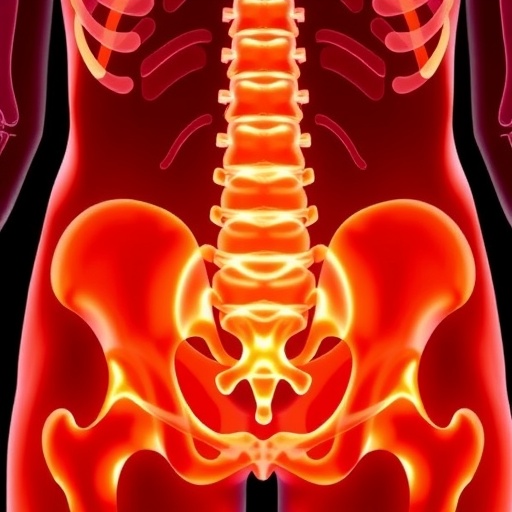
In the rapidly evolving field of bariatric surgery, a vital conversation is emerging around the often-overlooked complication of osteomalacia. While weight loss surgery considerably enhances the quality of life for morbidly obese patients by reducing excess weight and alleviating associated comorbidities, this complex surgical intervention can inadvertently lead to deficiencies in key nutrients. Among these, the importance of understanding, diagnosing, and treating osteomalacia has become increasingly apparent. The compelling study led by Mocritcaia and colleagues sheds light on this critical issue, urging both medical professionals and patients to remain vigilant following bariatric operations.
The procedure, which has gained popularity as an effective method for weight management, often leads to rapid weight loss and significant metabolic changes. However, the body’s nutritional requirements might not be adequately addressed within the confines of traditional pre- and post-operative care. The surgical alterations in gastrointestinal anatomy can impede the absorption of vital nutrients, particularly vitamin D, calcium, and phosphate, leading to the development of osteomalacia—a condition characterized by the softening of bones due to inadequate mineralization.
The multifaceted nature of osteomalacia is underlined by its diverse origins, including dietary insufficiencies, malabsorption syndromes, and renal dysfunction. Specifically, the rapid changes in body weight and composition post-surgery, coupled with altered gastrointestinal physiology, can lead to significant imbalances in the intricate network of bone and mineral metabolism. As patients recover from their surgeries and adapt to new dietary restrictions, the need for regular monitoring of nutrient levels becomes paramount to avert long-term consequences.
In their research, Mocritcaia et al. highlight the critical interplay between the nutritional aspects of post-bariatric surgery and the risk of developing osteoporosis and osteomalacia. They assert that while weight loss can be a powerful motivator for surgical candidates, a broader understanding of how these surgeries impact nutritional status is essential for optimal patient outcomes. Health professionals must incorporate screening measures to evaluate vitamin D and calcium levels routinely to identify deficiencies that could progress to osteomalacia.
Another essential aspect discussed in the study is the role of patient education. Many patients entering bariatric surgery may have limited knowledge regarding the potential risks and post-operative care required for maintaining their health. Fostering a deeper understanding of nutrition ensures adherence to dietary recommendations, encourages supplementation when necessary, and promotes proactive engagement with healthcare providers. Sustained education can empower patients to take ownership of their health and wellbeing throughout their weight loss journey.
Furthermore, the implications of inadequate mineral absorption extend beyond osteomalacia. Patients may also suffer from a heightened risk of fractures, delayed healing, and chronic pain conditions—all of which influence their quality of life following surgery. Hence, integrating proper nutritional assessments into the patient care continuum is crucial not just for preventing osteomalacia, but for safeguarding overall health and wellness in bariatric surgery patients.
Emerging evidence from the study suggests that proactive management strategies—such as tailored supplementation plans and routine bone density assessments—must be standard practice in the aftermath of weight loss surgery. Regimens should be individualized and based on initial vitamin and mineral assessments, combined with ongoing evaluations to track the effectiveness of interventions. This cyclical approach aids in addressing deficiencies before they escalate into more severe complications.
The multidisciplinary collaboration between surgeons, dietitians, endocrinologists, and primary care providers is vital in managing the complex scenarios that arise in post-bariatric surgery patients. A well-coordinated effort among specialists ensures that nutritional needs are meticulously addressed while also considering other comorbidities that patients may experience. By fostering an environment of collaborative care, there is a greater likelihood of minimizing risks associated with poor bone health.
Public awareness campaigns can play a pivotal role in educating potential surgical candidates about the risks associated with bariatric surgery, particularly concerning long-term nutritional care. Realistic expectations regarding the impact on nutrient absorption should be communicated effectively, allowing patients to make informed decisions. Such initiatives can enhance the overall safety and efficacy of bariatric procedures across diverse patient populations.
It is essential to note that while the benefits of bariatric surgery can be life-changing, the conversation surrounding potential complications such as osteomalacia needs to be integrated into pre-surgical discussions. This fundamental shift in communication may help set the groundwork for improved patient outcomes by equipping them with knowledge that underscores the importance of ongoing medical care following surgery.
In conclusion, Mocritcaia et al. emphasize that osteomalacia is a significant concern in the landscape of bariatric surgery, warranting increased awareness and proactive management strategies. As the population of bariatric patients continues to grow, medical professionals must embrace this dialogue and champion practices that safeguard against the potential pitfalls related to nutritional deficiencies. The long-term success of bariatric surgery hinges not only on achieving weight loss but also on maintaining optimal health post-operatively, and this requires a concerted effort from the medical community to address these serious risks.
Understanding the potential complications associated with bariatric surgery, including osteomalacia, can lead to improved clinical practices and patient education initiatives aimed at mitigating risks. Healthcare providers, institutions, and patients must work together to foster an environment where comprehensive care is prioritized, ensuring that the transformative impact of bariatric surgery is realized without compromising long-term health.
As the field continues to evolve, it is crucial to remain informed about emerging studies, such as that conducted by Mocritcaia and colleagues, which shed light on the evolving complexities of weight loss surgery and its implications for bone health. By considering these multifaceted factors and emphasizing proper nutritional management, we can aim to enhance the quality of life for all bariatric patients in their journey toward healthier living.
Subject of Research: Osteomalacia as a complication following bariatric surgery.
Article Title: Bariatric surgery: Think about osteomalacia too.
Article References:
Mocritcaia, A., Chacur, C., Flórez, H. et al. Bariatric surgery: Think about osteomalacia too. Arch Osteoporos 20, 133 (2025). https://doi.org/10.1007/s11657-025-01618-0
Image Credits: AI Generated
DOI: https://doi.org/10.1007/s11657-025-01618-0
Keywords: bariatric surgery, osteomalacia, nutrient deficiencies, weight loss, patient education, bone health, multidisciplinary care, nutritional assessment.


