


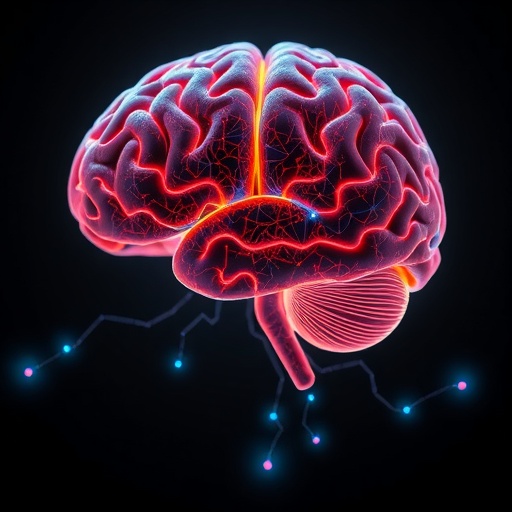
Autism spectrum disorder often comes with a complex mix of social challenges, sensory sensitivities, and heightened stress responses. Now, a new study in Translational Psychiatry links a specific anxiety profile—social anxiety—to distinct behavioral patterns and measurable changes in brain anatomy. The findings add biological nuance to a debate clinicians have faced for years: why do some autistic people appear to “agree” more readily or show reduced assertiveness in social settings?
Researchers led by Hao and colleagues examined autism in relation to social anxiety, focusing on how these traits co-occur at both the behavioral and neural levels. The study reports that autistic individuals with social anxiety demonstrate more acquiescent behaviors, meaning a greater tendency to assent rather than resist or initiate decisions during social interactions. This behavioral signature is presented not as a moral or personality trait, but as a pattern likely shaped by stress and social threat processing.
The team also investigated the amygdala, a deep brain structure crucial for evaluating emotional salience, fear, and threat. In their results, participants showing autism with social anxiety had enlarged amygdala volume compared with relevant comparison groups. The implication is that heightened sensitivity to social evaluation may map onto altered amygdala structure, potentially influencing how social cues are interpreted and how anxiety is sustained.
Importantly, the authors frame the amygdala difference as a bridge between mind and brain: if social cues are interpreted as threatening more often, neural circuits supporting threat detection may become structurally distinct. Larger amygdala volume could reflect developmental differences, experience-dependent plasticity, or a combination of both, though the study’s design cannot fully resolve causality.
The work is positioned as translational—aiming to connect observable clinical behavior with biological mechanisms that could eventually guide intervention. If acquiescent behavior reliably signals underlying social threat sensitivity, clinicians may be able to tailor support strategies, such as anxiety-focused social skills training or approaches that reduce perceived evaluation pressure.
For families and care teams, the message is practical: social anxiety within autism may produce behavior that looks like compliance but is driven by internal discomfort. Recognizing that distinction could help avoid misattribution and improve communication during therapy, school accommodations, and everyday decision-making.
Overall, the study suggests that autism plus social anxiety is not simply “more symptoms,” but a potentially separable neurobehavioral subtype. By combining detailed behavioral observation with structural brain metrics, the research opens a path toward more precise phenotyping—and, eventually, more targeted care.
Cite Scienmag News
Glenn Wilkins. (July 27, 2026). Autism and social anxiety linked to submissive behavior and larger amygdala. Scienmag. https://scienmag.com/autism-and-social-anxiety-linked-to-submissive-behavior-and-larger-amygdala/
Glenn Wilkins. "Autism and social anxiety linked to submissive behavior and larger amygdala." Scienmag, 27 July 2026, https://scienmag.com/autism-and-social-anxiety-linked-to-submissive-behavior-and-larger-amygdala/. Accessed 3 September 2026.
Glenn Wilkins. "Autism and social anxiety linked to submissive behavior and larger amygdala." Scienmag. July 27, 2026. https://scienmag.com/autism-and-social-anxiety-linked-to-submissive-behavior-and-larger-amygdala/


