


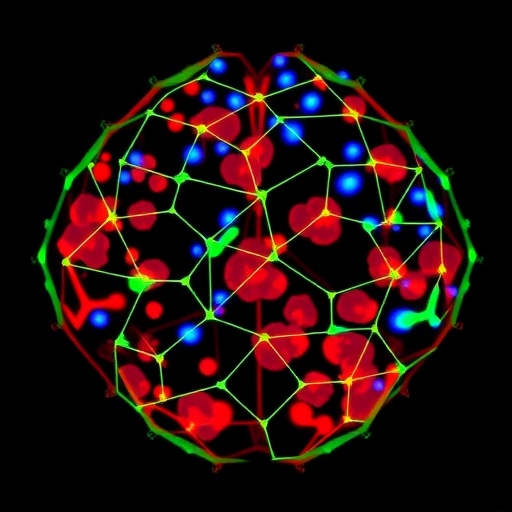
In a landmark advance that could transform the therapeutic landscape of Alzheimer’s disease (AD), scientists have engineered astrocytes to express chimeric antigen receptors (CARs), creating a novel cellular immunotherapy platform capable of targeting and clearing amyloid-β (Aβ) peptides in the brain. This innovative approach, showcased in a new study published in Science, offers a strategic method to overcome several persistent obstacles in treating AD by harnessing the brain’s own glial cells to combat hallmark pathological features associated with the disease.
Alzheimer’s disease, a neurodegenerative disorder characterized by progressive cognitive decline, remains the foremost cause of dementia worldwide. The pathological cascade of AD prominently features extracellular deposits of amyloid-β peptides that form senile plaques, believed to instigate a cascade leading to tau protein hyperphosphorylation, neurofibrillary tangles, synaptic loss, and ultimately widespread neuronal death. Although the precise role of amyloid-β accumulation is a subject of ongoing debate in the scientific community, therapeutic strategies aimed at reducing Aβ burden have dominated clinical efforts for decades.
Recently, passive immunotherapies utilizing monoclonal antibodies against amyloid-β demonstrated moderate success by slowing cognitive decline, lending credence to the amyloid cascade hypothesis. However, these antibody therapies have limitations: high dosages over extended periods are required, which can provoke serious adverse events including amyloid-related imaging abnormalities (ARIA), raising concerns over safety and long-term viability. Furthermore, the blood-brain barrier (BBB) imposes challenges for effective delivery and distribution of these therapeutic agents within the central nervous system.
To address these critical limitations, a team led by Yun Chen and colleagues developed astrocytes expressing engineered chimeric antigen receptors that specifically recognize amyloid-β species. These CAR-expressing astrocytes (CAR-As) capitalize on the intrinsic properties of astrocytes — the most abundant glial cell type in the brain responsible for homeostasis, synaptic support, and maintenance of the BBB — now repurposed as active immune effector cells capable of targeted Aβ clearance.
CAR technology, which has revolutionized cancer immunotherapy by genetically programming T cells to identify and eliminate tumor cells, presents unique challenges in neurodegenerative disorders. Chief among these are safe and effective delivery of CAR cells into the brain parenchyma and the modulation of immune activity in the immunologically restrictive environment of the CNS. Chen et al.’s work breaks new ground by successfully engineering astrocytes to express Aβ-specific CARs and demonstrating effective, noninvasive delivery into murine brains.
In vitro studies revealed that CAR-As exhibited robust binding affinity to various forms of amyloid-β peptides, promoting enhanced phagocytosis and degradation of extracellular Aβ aggregates. This was accompanied by activation of intracellular signaling cascades that augmented astrocytic clearance pathways without triggering reactive gliosis or cytotoxicity, underscoring the potential for a safe therapeutic profile.
More compellingly, in vivo experiments showed that a single administration of CAR-As into the brains of transgenic mouse models of AD led to a significant reduction in amyloid plaque burden. This was accompanied by mitigation of synaptic loss and preservation of cognitive function, as assessed through behavioral paradigms commonly used to evaluate learning and memory in rodents. Remarkably, early intervention with CAR-A therapy was able to prevent the onset of pathological Aβ deposition, suggesting a disease-modifying potential.
Mechanistically, the engineered CARs operate by recognizing specific epitopes on aggregated amyloid-β, enabling astrocytes to internalize and degrade plaques through lysosomal pathways. This targeted clearance circumvents the need for systemic antibody administration and reduces systemic immune activation, potentially minimizing adverse inflammatory responses. Furthermore, the persistence of CAR-A cells in the brain suggests the possibility of durable long-term efficacy, a key advantage over transient antibody strategies.
From a translational perspective, the study addresses critical safety issues by demonstrating the absence of neuroinflammation, BBB disruption, or off-target effects in treated animals. The ability to deliver CAR-As through minimally invasive methods opens avenues for clinical applications in human patients, where current therapeutic options provide limited efficacy and safety concerns remain paramount.
The innovation heralded by CAR-A therapy embodies a new class of cellular immunotherapies tailored for neurodegenerative diseases. As Jake Boles and David Gate articulate in an accompanying Perspective, this foundational study facilitates the maturation of CAR technologies beyond oncology into neurological realms, where precision targeting of pathological protein species can revolutionize treatment paradigms.
Looking forward, further research will be necessary to optimize CAR designs for enhanced specificity, to evaluate long-term safety and efficacy in higher-order models, and to integrate this approach with complementary therapies targeting tau and other aspects of AD pathology. The promise of programmable astrocyte-based immunotherapies extends beyond amyloid-β, opening possibilities for addressing other toxic proteinopathies, including Parkinson’s disease and frontotemporal dementia.
This breakthrough ushers in a new era where engineered glia serve as therapeutic sentinels in the brain, combining molecular engineering with neurobiology to tackle one of the most challenging diseases of aging. Future clinical translation of CAR-A therapy holds profound implications for millions affected by Alzheimer’s disease and could redefine how neurodegenerative disorders are treated.
News Publication Date:
5-Mar-2026
Web References:
10.1126/science.ads3972
Cite Scienmag News
Cassandra Pierce. (March 5, 2026). Astrocytes Engineered with CAR Technology Effectively Target and Eliminate Amyloid-β in Alzheimer’s Mouse Model. Scienmag. https://scienmag.com/astrocytes-engineered-with-car-technology-effectively-target-and-eliminate-amyloid-%ce%b2-in-alzheimers-mouse-model/
Cassandra Pierce. "Astrocytes Engineered with CAR Technology Effectively Target and Eliminate Amyloid-β in Alzheimer’s Mouse Model." Scienmag, 5 March 2026, https://scienmag.com/astrocytes-engineered-with-car-technology-effectively-target-and-eliminate-amyloid-%ce%b2-in-alzheimers-mouse-model/. Accessed 3 September 2026.
Cassandra Pierce. "Astrocytes Engineered with CAR Technology Effectively Target and Eliminate Amyloid-β in Alzheimer’s Mouse Model." Scienmag. March 5, 2026. https://scienmag.com/astrocytes-engineered-with-car-technology-effectively-target-and-eliminate-amyloid-%ce%b2-in-alzheimers-mouse-model/


