


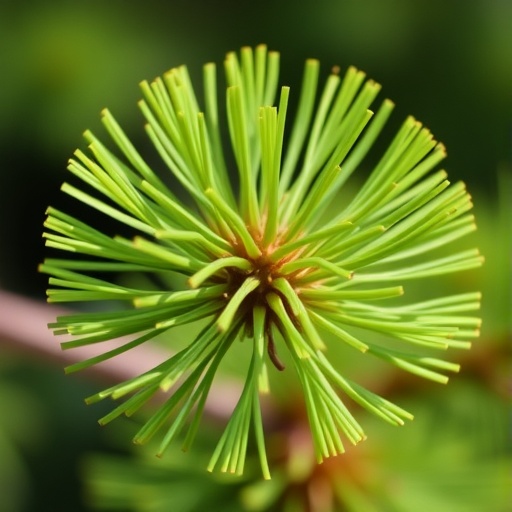
In a groundbreaking study recently published in BMC Genomics, researchers Wang, Jiang, and Cao delve deep into the genetic intricacies of the chloroplast genome of the pivotal tree species, Pinus taeda. This research is not only significant for understanding the genetic stability and variation within the species but also carries implications for forestry management, conservation efforts, and enhancing the resilience of pine trees in the face of climate change. As the discussion progresses, the findings illuminate the broader significance of chloroplast genomics in forestry science.
The study arises from a growing necessity to comprehend the genetic underpinnings that contribute to the variation and stability of chloroplast genomes, particularly in tree species that play a crucial role in carbon sequestration and ecosystem stability. Pinus taeda, or loblolly pine, is widely recognized for its rapid growth and favorable wood properties, making it essential in timber production as well as in ecological conservation strategies. The researchers aimed to investigate how genetic variation can impact not only the traits of individual trees but also the overall health of pine forests.
Starting with the basics, the chloroplast genome serves as a key element in the physiology of plants. It is responsible for photosynthesis, the process through which plants convert light energy into chemical energy. The implications of chloroplast genome stability are therefore vast, influencing not just plant growth and development but also ecological interactions among various species within forest ecosystems. As such, understanding how the chloroplast genome of Pinus taeda can vary and remain stable over generations is critical.
The methodology employed in the research was rigorous and multifaceted. The researchers utilized advanced genomic sequencing technologies to analyze the chloroplast DNA from various populations of Pinus taeda. Through these techniques, they were able to obtain a comprehensive understanding of the genetic variation present across different geographical locations. This approach also allowed them to assess the genetic stability of the populations by comparing sequences from diverse individuals, providing a clearer picture of evolutionary dynamics influencing this species.
Results from the genetic sequencing revealed remarkable insights into the variations present in the chloroplast genomes of Pinus taeda. The study uncovered distinct haplotypes within the populations analyzed, indicating that evolutionary pressures, environmental factors, and potential human intervention may have played significant roles in shaping the genetic landscape of these trees. By mapping these variations, the authors illuminated how different alleles could impact traits that are essential for the adaptability of loblolly pine trees to shifting environmental conditions.
Furthermore, the genetic analysis led to the startling discovery of certain loci that demonstrated heightened stability across populations. This stability suggests a strong selective pressure for specific genomic configurations, which may confer resilience to environmental stressors such as drought or pest infestation. Identifying these stable genomic markers paves the way for future research focused on breeding programs aimed at enhancing the survival and growth of Pinus taeda in challenging climates.
Among the significant findings discussed in the paper, one of the standout revelations was the role of geographic distribution in governing genetic diversity. It was evident that populations situated in different ecological niches exhibited varying levels of chloroplast genome stability. This geographical variance further emphasizes the importance of conducting localized genetic assessments, especially in light of ongoing climate change. As temperatures rise and weather patterns shift, understanding how these trees adapt genetically becomes essential for effective management practices.
In addition to genetic diversity, the implications of this research extend to conservation strategies. As loblolly pine trees are economically and ecologically significant, ensuring their long-term health is critical. The authors underscored the necessity of integrating genetic insights into conservation planning. By leveraging the findings from this study, conservationists can develop more effective strategies to maintain the genetic diversity of Pinus taeda populations while promoting resilience against environmental stresses.
Through the lens of climate resilience, the study holds profound implications for the future of forestry management. By highlighting the genetic stability of Pinus taeda’s chloroplast genome, the researchers provide a framework for understanding how selective breeding and conservation tactics can be engineered to maintain and enhance forest health. This knowledge is invaluable for maintaining biodiversity and ensuring sustainable forest ecosystems in the face of changing climatic conditions.
As the article concludes, the researchers call for additional studies that explore not only the genetic stability of chloroplast genomes in other tree species but also the ecological implications intertwined within these genetic frameworks. The integration of genomics with ecological research can lead to groundbreaking advancements in our understanding of forest biology and tree species management. Ultimately, this exploration serves as a clarion call for researchers, conservationists, and managers to recognize the critical intersection between genetics and ecology in safeguarding our forest ecosystems.
The findings from this remarkable study are destined to reverberate across scientific disciplines. By uncovering the nuanced interplay between genetic stability and environmental pressures, Wang, Jiang, and Cao are contributing to a more profound understanding of how trees respond to global changes. This research not only enriches the academic community’s body of knowledge but also provides practical implications for industries reliant on healthy forest ecosystems.
This study exemplifies the potential of modern genomics to unlock secrets about our environment and its inhabitants. Through continued exploration and innovation, future research holds the promise of revealing even deeper insights into the genetic frameworks that sustain and nurture our ecological heritage. As the demand for sustainable solutions to combat climate change intensifies, the need for research like this becomes ever more urgent.
In summary, the recent investigation into the chloroplast genomes of Pinus taeda represents an important leap forward in our understanding of forest genomics and its application to real-world challenges. The revelations about genetic variation and stability mark a significant contribution to the field, igniting conversations about conservation, climate adaptation, and sustainable forestry practices.
Cite Scienmag News
Juliet Wilcox. (January 27, 2026). Assessing Variation and Stability in Pinus taeda’s Chloroplast DNA. Scienmag. https://scienmag.com/assessing-variation-and-stability-in-pinus-taedas-chloroplast-dna/
Juliet Wilcox. "Assessing Variation and Stability in Pinus taeda’s Chloroplast DNA." Scienmag, 27 January 2026, https://scienmag.com/assessing-variation-and-stability-in-pinus-taedas-chloroplast-dna/. Accessed 3 September 2026.
Juliet Wilcox. "Assessing Variation and Stability in Pinus taeda’s Chloroplast DNA." Scienmag. January 27, 2026. https://scienmag.com/assessing-variation-and-stability-in-pinus-taedas-chloroplast-dna/


