

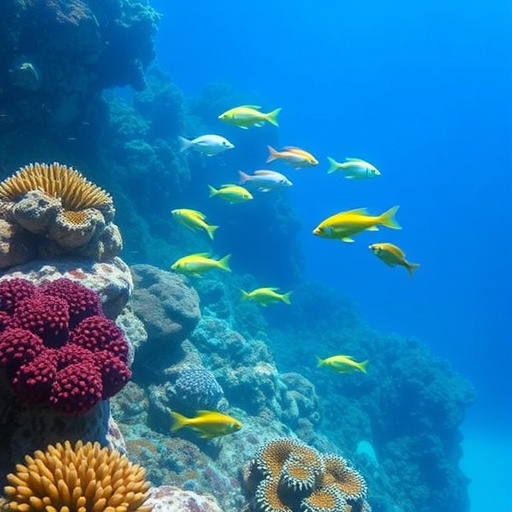
Marine Protected Areas (MPAs) have emerged as critical tools in the conservation toolkit, particularly for safeguarding biodiversity within coral reef ecosystems. A recent study by Skinner et al. explores the intricate dynamics influencing the success of MPAs, specifically focusing on Caribbean reef fish populations. The study elucidates the multifaceted interactions between MPA design, habitat characteristics, and management practices, shedding light on essential factors that contribute to the effectiveness of these protective measures.
At the heart of the research lies the recognition that not all MPAs yield the same benefits. Variability in outcomes is often linked to the ecological context, including factors such as surrounding habitat quality and the specific fish species being monitored. This nuanced understanding is vital for conservationists who aim to maximize the ecological benefits derived from MPAs. In essence, the study underscores that effective marine management must go beyond simply establishing boundaries; it requires a comprehensive approach that considers the biological and ecological intricacies at play.
One key aspect of the study is its methodical examination of various MPA designs. The authors delve into how the spatial configuration and size of these protected areas significantly impact fish populations. Larger, well-designed MPAs that offer diverse habitats tend to support greater biodiversity and resilience within fish communities. This finding has profound implications, as it suggests that strategic planning can enhance the ecological benefits of MPAs, ultimately fostering healthier marine environments.
A notable emphasis of this research is the role of habitat diversity in shaping the success of MPAs. Caribbean reefs, characterized by their complex structures and diverse environments, serve as crucial habitats for numerous fish species. The study highlights that MPAs situated in areas with higher habitat complexity can provide better shelter and foraging opportunities for reef fish. Consequently, protecting these rich habitats may be essential for the ongoing sustainability of marine life in the region, particularly in the face of climate change and human-induced pressures.
Management approaches were also scrutinized, with the authors stressing that robust governance structures are imperative for the success of MPAs. Issues such as enforcement of regulations, community engagement, and ongoing monitoring are pivotal factors. Effective management strategies not only safeguard marine resources but also empower local communities, fostering stewardship and compliance. This dynamic interplay between human and ecological factors is central to the sustainable management of marine resources.
The research also provides a comparative analysis across different Caribbean MPAs. By examining a variety of case studies, the authors draw attention to best practices and lessons learned from successful initiatives. This comparative framework serves as a valuable resource for policymakers and conservation practitioners, enabling them to design more effective MPAs. Moreover, it emphasizes the importance of adapting management strategies to local contexts, as what works in one location may not necessarily be applicable in another.
Moreover, the findings of this study resonate with ongoing discussions about climate resilience. As coral reefs face unprecedented challenges linked to global warming and ocean acidification, the establishment of effective MPAs could serve as a buffer against these stressors. The research reiterates the need for scientifically informed strategies that prioritize the conservation of biodiversity to enhance ecosystem resilience. This proactive approach may help safeguard not only the species that inhabit these ecosystems but also the livelihoods of communities that depend on them.
The implications extend beyond ecological considerations, as the study underscores the socio-economic benefits derived from healthy reef ecosystems. Well-managed MPAs can bolster fisheries, tourism, and overall coastal resilience, creating a win-win situation for local communities and biodiversity conservation. Thus, the viability of MPAs is not merely an environmental issue; it intersects with the economic and social fabric of coastal regions.
This comprehensive study contributes to the growing corpus of knowledge regarding marine conservation strategies, advocating for a holistic understanding of the factors influencing MPA effectiveness. By integrating ecological, social, and economic perspectives, the authors present a compelling argument for a paradigm shift in how MPAs are conceptualized and implemented. Additionally, their findings may prompt further research aimed at refining MPA design and management practices to yield optimal outcomes for marine biodiversity.
The urgency of these insights cannot be overstated, especially in light of the ongoing degradation of marine ecosystems worldwide. As pressures from overfishing, pollution, and climate change mount, the establishment of resilient MPAs becomes ever more critical. This research serves as a clarion call for increased investment and commitment to marine conservation initiatives that prioritize ecological integrity and community well-being.
As the study concludes, the authors emphasize the path forward for MPAs, advocating for a collaborative approach that encompasses local stakeholders, scientists, and policymakers. Bridging the gap between science and practice is essential for fostering a shared vision of marine protection that aligns ecological goals with community interests. By harnessing the collective expertise of diverse stakeholders, the potential for transformative change in marine conservation can be realized.
In summary, the study by Skinner et al. illuminates the complex web of factors that govern the success of MPAs for Caribbean reef fish. Their findings offer valuable insights into optimizing MPA design, understanding the importance of habitat complexity, and emphasizing the need for effective management practices. As we grapple with the challenges facing our oceans, such research serves as a beacon of hope, guiding us toward more resilient and sustainable marine ecosystems.
In the concluding remarks, the study establishes that integrating adaptive management and continuous learning into the fabric of MPA governance could lead to improved outcomes. By remaining responsive to changing ecological conditions and community needs, MPAs have the potential to evolve alongside the challenges they face. This adaptability is fundamental to sustaining their relevance and effectiveness in the years to come.
The implications drawn from this research are significant not only for scientists but also for conservation practitioners, policymakers, and the communities that rely on healthy marine ecosystems. It reinforces the message that collaborative involvement and informed decision-making are keys to navigating the complexities of marine conservation. As stakeholders unite in their efforts to protect marine resources, the findings of this study could serve as a guiding framework for achieving lasting success in MPA management.
In closing, the research adds a critical piece to the puzzle of marine conservation by examining the interplay between design, habitat, and management within the context of Caribbean reef fish. As the narrative of MPA effectiveness unfolds, it is evident that our collective endeavors can lead to a brighter future for coral reefs and the myriad species that depend on them.
Subject of Research: Effectiveness of Marine Protected Areas for Caribbean Reef Fish
Article Title: Evaluating MPA success for Caribbean reef fish: the role of design, habitat, and management.
Article References:
Skinner, C., Prince, K.R.F., Polunin, N.V.C. et al. Evaluating MPA success for Caribbean reef fish: the role of design, habitat, and management. Coral Reefs (2026). https://doi.org/10.1007/s00338-025-02812-9
Image Credits: AI Generated
DOI: https://doi.org/10.1007/s00338-025-02812-9
Keywords: Marine Protected Areas, Caribbean reefs, fish populations, habitat diversity, management strategies, ecological resilience, conservation.


