

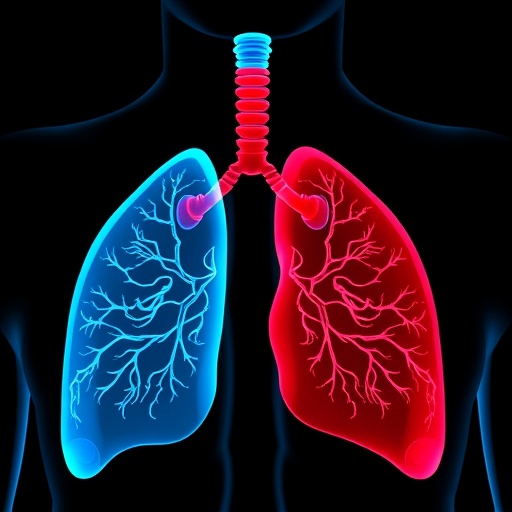
In the world of organ transplantation, the criteria for selecting candidates have always been complex and multifaceted. As lung transplantation, in particular, has gained prominence due to advances in medical science, there remains ongoing debate among medical professionals regarding a pivotal question: how critical is too critical when considering patients for lung transplantation? A recent study by Rozenbaum, Lopez Gonzalez, and Salgado sheds light on this contentious issue, posing essential arguments about patient selection criteria.
The importance of donor organs for patients suffering from end-stage lung disease cannot be understated. With a shortage of available organs, the process of selecting suitable candidates is of utmost importance to ensure that those who receive a transplant have the best chance at a successful outcome. Unfortunately, the process can become overly complicated due to the varying degrees of illness exhibited by potential candidates. This complexity is particularly evident in critically ill patients who are often deemed too sick for transplantation.
One of the study’s central points is that traditional metrics for assessing a patient’s eligibility may not adequately capture their overall potential for recovery. Commonly used indicators, such as forced expiratory volume and oxygenation metrics, can overlook patients who may be resilient in ways not measured by clinical metrics. The authors stress the need for a more comprehensive evaluation system that incorporates both physiological assessments and subjective measures of quality of life and resilience.
Another layer of complexity arises from the differences in underlying causes of lung disease. For instance, patients with pulmonary fibrosis compared to those with chronic obstructive pulmonary disease (COPD), exhibit differing indicators of health and functionality. As such, relying solely on general assessment criteria can lead to potentially life-saving interventions being withheld from patients who may actually benefit from transplantation. The authors argue for a tailored approach, emphasizing personalized evaluations based on individual pathology and circumstances.
The critical illness of candidates has direct ramifications on post-transplant outcomes. Studies indicate that patients who are less critically ill at the time of transplantation often enjoy better recovery profiles and overall transplant survival rates. This has led to an ethical quandary in the medical community. Should transplant teams prioritize those who are critically ill, or should they reserve organs for those who are less ill but may respond better to transplantation? This tension between urgency and suitability underscores the need for nuanced discussions among medical professionals involved in the transplantation processes.
Significantly, the emotional and psychological aspects of being a lung transplant candidate are often downplayed in clinical assessments. The authors advocate for the inclusion of mental health evaluations into the selection process as they can significantly impact recovery trajectories. Candidates with strong support systems and robust psychological profiles are often better positioned to navigate the intense demands of recovery and rehabilitation post-transplant.
Moreover, the geographical disparities in lung transplant allocation further compound the challenges faced by critically ill candidates. In regions where access to transplantation resources is limited, patients may be classified as too sick due to lack of access to comprehensive assessments or therapies that could improve their conditions. These systemic barriers highlight the need for policy reform in organ allocation practices to ensure equity among patients across diverse backgrounds.
The economics of transplantation play a crucial role in the decision-making process as well. With the soaring costs associated with postoperative care and long-term medication regimens, healthcare providers often face pressure to justify their decisions regarding candidate selection. Evaluating the cost-effectiveness of transplantation for critically ill patients versus healthier candidates raises ethical and practical questions that warrant careful consideration from medical institutions and insurers alike.
Additionally, the potential role of emerging therapies and interventions—such as cell therapy or novel pharmacological treatments—presents an exciting frontier in managing critically ill lung transplant candidates. As new treatment modalities continue to develop, they could alter patient eligibility and improve overall outcomes, complicating existing criteria and potentially broadening the range of patients who could benefit from transplantation.
Through an eye on the future, the authors emphasize the importance of research driven by patient outcomes to ensure that decisions made regarding lung transplantation are evidence-based. Evaluative frameworks that focus on long-term survival, quality of life, and psychosocial well-being are essential for evolving the current models of candidate evaluation. Advocating for a longitudinal study approach could yield insights that significantly influence future lung transplant policies and practices.
Furthermore, it is paramount that discussions among patient advocacy groups, healthcare professionals, and policy makers take center stage. Engaging these stakeholders is crucial for ensuring that the voices of critically ill patients are heard in the transplant deliberation process. Collaborative efforts can lead to more equitable and comprehensive frameworks that uphold the dignity of every patient facing severe lung disease.
In conclusion, as the field of lung transplantation continues to evolve, it is imperative to reconsider the criteria used to evaluate critically ill candidates. The findings and proposals articulated by Rozenbaum, Lopez Gonzalez, and Salgado shed light on the pressing need for a holistic, patient-centered approach. It is a call to action for the medical community to redefine the parameters of eligibility, ensuring that the road to transplantation is paved with compassion and understanding rather than rigid metrics alone. As we move forward, the need for a more inclusive dialogue surrounding lung transplantation will become increasingly apparent—ultimately shaping the future of patient care in this vital area of medicine.
Subject of Research: Critically ill lung transplantation candidates
Article Title: The Critically Ill Lung Transplant Candidate: How Sick is too Sick?
Article References:
Rozenbaum, G., Lopez Gonzalez, E. & Salgado, J.C. The Critically Ill Lung Transplant Candidate: How Sick is too Sick?.
Curr Transpl Rep 13, 5 (2026). https://doi.org/10.1007/s40472-026-00504-z
Image Credits: AI Generated
DOI: https://doi.org/10.1007/s40472-026-00504-z
Keywords: lung transplantation, critically ill patients, candidate selection, patient outcomes, ethical considerations, healthcare disparities.


