


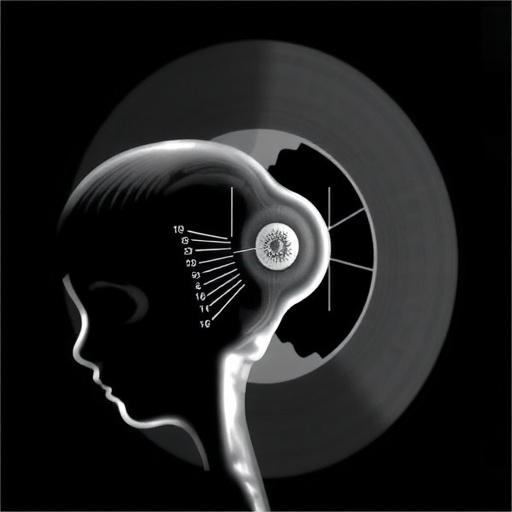
Recent developments in pediatric healthcare, particularly in radiology, have brought forth deep concerns regarding the safety and health implications of diagnostic imaging. A systematic review led by researchers Perdomo, Forster, and Badawy examines one of the most pressing issues in pediatric radiology—the radiation dose delivered to the eye lens during computed tomography (CT) scans of the brain. As advancements in imaging technology increase the frequency and complexity of scans, the potential risks associated with ionizing radiation, especially in young patients, demand rigorous evaluation and understanding.
CT scans have revolutionized the landscape of medical diagnostics, providing rapid and detailed imaging necessary for diagnosing a myriad of conditions. However, these benefits come at a price—the exposure to radiation. As children are still in developmental stages, their tissues, including sensitive eye structures, are uniquely vulnerable to radiation-induced damage. Understanding this vulnerability is paramount for medical professionals, parents, and stakeholders involved in pediatric healthcare.
The systematic review provides a comprehensive synthesis of existing literature focused on the radiation dose to the eye lens from pediatric brain CT scans. The authors meticulously analyzed studies to quantify the radiation dose implications, shedding light on how various scanning techniques and protocols can affect the health outcomes of young patients. The review emphasizes that the dose can vary significantly based on the machine used, the settings during the scan, and the specific practice guidelines followed by medical institutions.
Importantly, pediatric patients are exposed to radiation for several diagnostics throughout their childhood, frequently accumulating doses that might approach or exceed safety thresholds. The authors argue that the interactive and potentially cumulative nature of these exposures creates a compelling case for reevaluating existing protocols in pediatric radiology. Medical imaging guidelines typically prioritize diagnostic efficacy, but this review calls for a paradigm shift where radiation safety becomes equally paramount, especially concerning vulnerable populations such as children.
Another critical component highlighted in this review is the disparity in awareness and knowledge among healthcare providers regarding radiation risks. There is a pressing need for continuous education and training regarding radiation safety in pediatric practices. By instilling this awareness in medical professionals, we can mitigate risks associated with unnecessary radiation exposures which, as highlighted in this systematic review, have been historically overlooked.
Equally troubling is the potential long-term impact of radiation exposure, especially concerning future eye health. The review posits that even low doses of radiation can lead to an increased risk of cataract formation in the eye. Since brain scans are more common, especially in pediatric oncology and trauma assessments, it becomes crucial to adopt practices that limit unnecessary radiation without compromising the quality of care.
The systematic review also discusses the role of alternative imaging modalities which do not rely on ionizing radiation, such as magnetic resonance imaging (MRI). Although MRI is not always a suitable replacement for CT scanning, especially in acute settings or for particular diagnoses, its safety profile makes it an attractive option that should be considered more frequently. Understanding when to opt for such alternatives could lead to a drastic reduction in radiation-related risks while still maintaining diagnostic capabilities.
Moreover, the review provides a compelling case for policy changes at institutional and governmental levels, urging for the establishment of stricter guidelines and protective measures for pediatric patients during imaging. Collaborations between radiologists, pediatricians, and health policy makers can help create frameworks that emphasize both diagnostic precision and patient safety, effectively safeguarding the eye lens and overall well-being of children.
Community engagement and parental awareness are essential in effectuating change in how pediatric imaging is approached. Parents often trust medical professionals to act in the best interest of their child’s health; hence empowering them with knowledge about potential risks could transform the consent process for CT scans. Educated parents can advocate for their children, asking pertinent questions about the necessity of a CT scan versus alternative imaging methods that may present less risk.
As the review unfolds the intricacies surrounding radiation exposure, it ultimately calls for a concerted effort among all stakeholders in healthcare. Radiologists, pediatricians, public health advocates, and families must collaboratively promote a culture that prioritizes the protection of the youngest patients from the unseen dangers of radiation. Increasing the emphasis on patient safety without sacrificing diagnostic efficacy is indeed a delicate balance but is essential for advancing pediatric healthcare.
This systematic review is poised to prompt further research and dialogue across the medical community, emphasizing that while advancements in imaging technologies have undoubtedly improved diagnostic capabilities, they must not come at the cost of patient safety. The risks associated with radiation must be systematically addressed, ensuring that all practitioners remain vigilant and informed, leading to safer practices in pediatric radiology.
As a final note, the implications of this research extend beyond immediate concerns regarding eye health, ushering a broader discussion on the responsible use of imaging technologies in pediatric medicine. Awareness and education around radiation dosing, informed by comprehensive reviews such as this, can alter the landscape of pediatric care, guiding a future where efficacy and safety walk hand in hand.
Perdomo, A., Forster, J. & Badawy, M. A systematic review of radiation dose to the eye lens from pediatric brain computed tomography scans.
Pediatr Radiol (2025). https://doi.org/10.1007/s00247-025-06371-7
Cite Scienmag News
Harold Sullivan. (August 15, 2025). Assessing Eye Lens Radiation in Pediatric CT Scans. Scienmag. https://scienmag.com/assessing-eye-lens-radiation-in-pediatric-ct-scans/
Harold Sullivan. "Assessing Eye Lens Radiation in Pediatric CT Scans." Scienmag, 15 August 2025, https://scienmag.com/assessing-eye-lens-radiation-in-pediatric-ct-scans/. Accessed 4 September 2026.
Harold Sullivan. "Assessing Eye Lens Radiation in Pediatric CT Scans." Scienmag. August 15, 2025. https://scienmag.com/assessing-eye-lens-radiation-in-pediatric-ct-scans/


