


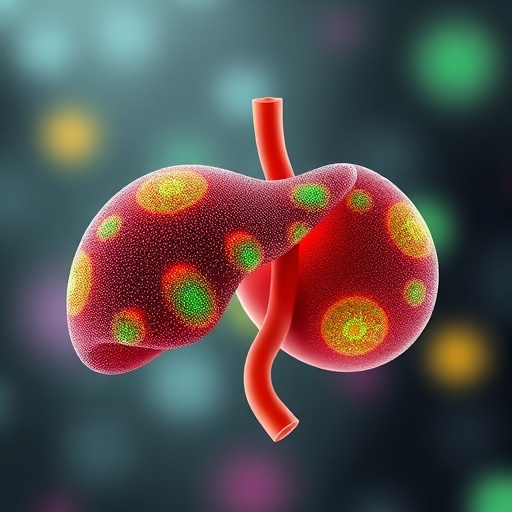
Viral Science News — A new study reports that an immune-regulating factor called ASB2 can reshape liver metabolism in a way that strengthens anti-tumor defense. In mouse models, researchers found that ASB2 directly counteracts lipid accumulation in the liver, a metabolic shift that can re-tune resident immune cells rather than merely limiting tumor growth indirectly.
The work focuses on ILC1 (innate lymphoid cells type 1), which act as rapid first responders against stressed or transformed cells. When the liver becomes lipid-laden, immune function can degrade, impairing the ability of ILC1 cells to maintain homeostasis. The study suggests ASB2 restores a healthier immune-metabolic balance, allowing ILC1 to remain fit and responsive.
Mechanistically, the team links ASB2 activity to pathways controlling lipid handling, reducing fat deposition and lowering the metabolic stress that normally compromises immune cell performance. This matters because lipid overload can alter signaling networks that govern cytokine programs and survival, pushing ILC1 cells toward dysfunction.
To test causality, the researchers manipulated ASB2 levels in mouse liver contexts and then assessed ILC1 homeostasis and function using immunological readouts. They observed that boosting ASB2 improved markers consistent with ILC1 fitness, while dampening ASB2 had the opposite effect, correlating with worse tumor control.
In tumor-challenge settings, ASB2’s lipid-suppressing role translated into measurable anti-tumor immunity. Enhanced ILC1 readiness supported stronger immune surveillance and improved outcomes compared with conditions that favored lipid accumulation.
The authors emphasize that the findings position ASB2 as a metabolic checkpoint connecting tissue lipid states to innate immune stability. This reframes anti-cancer strategies by suggesting that correcting organ-level metabolism can actively sustain the effectiveness of innate immune cells.
Overall, the study highlights a viral-science-worthy concept: immunotherapy may benefit from coupling immune modulation with metabolic rewiring. If similar mechanisms operate in humans, ASB2-linked pathways could inspire targeted interventions for liver-associated cancers.
Such an approach could be especially relevant where tumors exploit metabolic environments to blunt immunity. By turning down lipid accumulation, ASB2 may remove a barrier that ILC1 cells face inside the liver microenvironment.
Cite Scienmag News
Kristina Jarvis. (July 17, 2026). ASB2 reduces liver fat accumulation, boosting ILC1 balance and anti-tumor immunity. Scienmag. https://scienmag.com/asb2-reduces-liver-fat-accumulation-boosting-ilc1-balance-and-anti-tumor-immunity/
Kristina Jarvis. "ASB2 reduces liver fat accumulation, boosting ILC1 balance and anti-tumor immunity." Scienmag, 17 July 2026, https://scienmag.com/asb2-reduces-liver-fat-accumulation-boosting-ilc1-balance-and-anti-tumor-immunity/. Accessed 3 September 2026.
Kristina Jarvis. "ASB2 reduces liver fat accumulation, boosting ILC1 balance and anti-tumor immunity." Scienmag. July 17, 2026. https://scienmag.com/asb2-reduces-liver-fat-accumulation-boosting-ilc1-balance-and-anti-tumor-immunity/


