


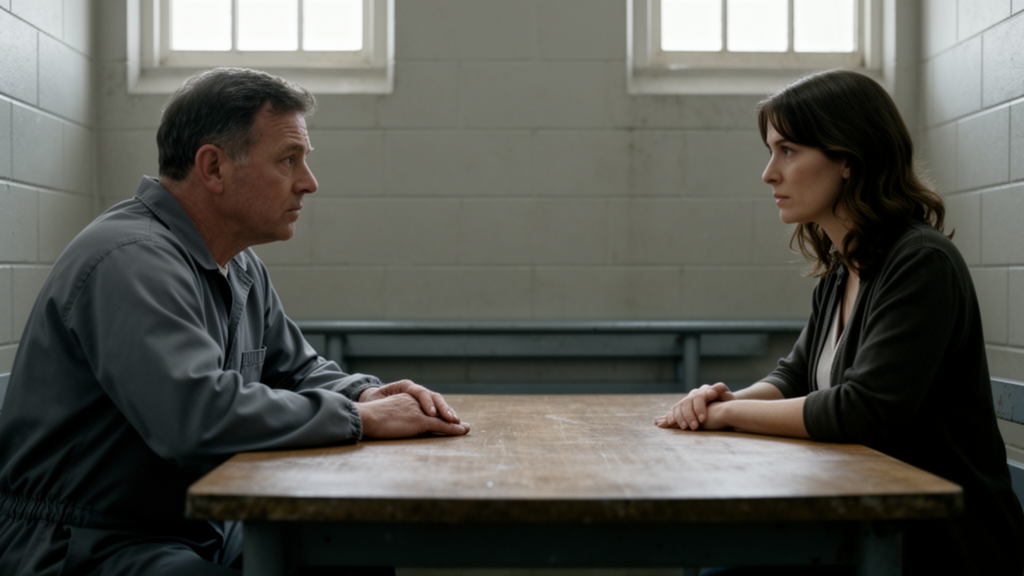
Interviews with 40 people incarcerated in Israel reveal how men and women behind bars understand apology, forgiveness from others, and self-forgiveness, painting a picture in which saying sorry is a moral act but being forgiven remains an uncertain, often unreachable horizon. The study, published in BMC Psychology by Inbal Peleg-Koriat and Dana Weimann-Saks, drew on secondary qualitative analysis of interviews with 23 men and 17 women, using inductive thematic analysis to identify patterns in how participants talked about these processes.
Apology emerged in the accounts not as a formal or instrumental gesture but as a moral practice of acknowledgement, responsibility, and repair. Participants framed it as something owed to those harmed, tied to taking responsibility and showing respect. Forgiveness from others, by contrast, was perceived as uncertain, asymmetrical, and never guaranteed. Rather than being an automatic outcome of apology, it was often imagined as recognition that the person who caused harm is more than the offense itself.
A central tension ran through the interviews: participants wanted to be forgiven yet struggled to believe forgiveness could actually happen. The researchers link this gap between desire and disbelief to broader experiences of stigma and feelings of moral unworthiness among incarcerated people. Forgiveness, in this framing, functions less as an endpoint and more as an uncertain moral horizon that shapes identity and the possibility of change.
Within this sample, the analysis identified gendered emphases. Men more often discussed apology and forgiveness in relation to those they had harmed, responsibility, and respect, and their struggles with self-forgiveness were more often articulated through guilt and responsibility-taking. Women more often situated these processes within family, belonging, and identity, and their self-forgiveness struggles were more often expressed through shame and a sense of a flawed self.
The authors argue that these findings carry implications for rehabilitation, underscoring the importance of addressing apology, interpersonal forgiveness, and struggles over self-forgiveness in correctional settings, while recognizing that forgiveness from others may remain out of reach. By reconceptualizing forgiveness as an open-ended moral process rather than a fixed outcome, the study contributes to psychological and criminological understandings of desistance and identity change. As a qualitative study of 40 incarcerated individuals in Israel, the analysis reflects the perspectives of this particular group and the gendered emphases identified within it, rather than general population estimates.
Subject of Research: Apology, forgiveness from others, and self-forgiveness among incarcerated men and women in Israel
Article Title: “I wouldn’t forgive me”: apology, forgiveness from others, and self-forgiveness among incarcerated men and women
Article References: Peleg-Koriat, I., & Weimann-Saks, D. (2026). “I wouldn’t forgive me”: apology, forgiveness from others, and self-forgiveness among incarcerated men and women. BMC Psychology. https://doi.org/10.1186/s40359-026-05843-1
Image Credits: AI Generated
DOI: 10.1186/s40359-026-05843-1
Keywords: forgiveness, self-forgiveness, apology, incarceration, qualitative research, moral psychology, stigma, desistance, gender differences, rehabilitation, shame, guilt
Cite Scienmag News
Glenn Wilkins. (October 24, 2026). Apology and forgiveness seen as uncertain moral horizons among incarcerated men and women. Scienmag. https://scienmag.com/apology-and-forgiveness-seen-as-uncertain-moral-horizons-among-incarcerated-men-and-women/
Glenn Wilkins. "Apology and forgiveness seen as uncertain moral horizons among incarcerated men and women." Scienmag, 24 October 2026, https://scienmag.com/apology-and-forgiveness-seen-as-uncertain-moral-horizons-among-incarcerated-men-and-women/. Accessed 24 October 2026.
Glenn Wilkins. "Apology and forgiveness seen as uncertain moral horizons among incarcerated men and women." Scienmag. October 24, 2026. https://scienmag.com/apology-and-forgiveness-seen-as-uncertain-moral-horizons-among-incarcerated-men-and-women/


