

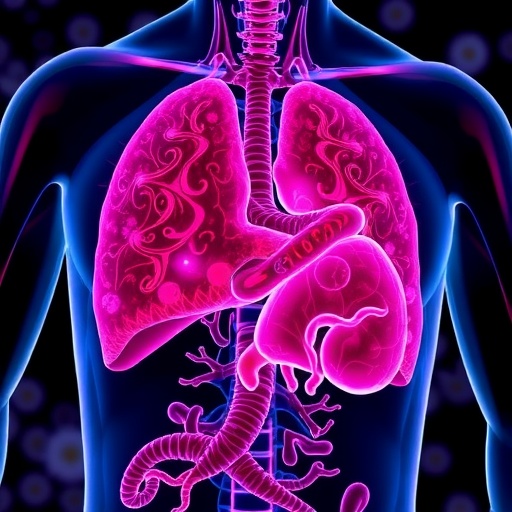
A new study conducted by a group of researchers led by Ahmed et al. has unveiled promising evidence that apocynin, a naturally occurring compound, plays a significant role in mitigating liver fibrosis. Liver fibrosis is a pathological condition characterized by the excessive accumulation of extracellular matrix components, leading to scarring and dysfunction of the liver. This condition is often triggered by various insults, including chronic inflammation, oxidative stress, and apoptosis of liver cells, making it a critical area for research and clinical intervention. The findings from this research shed light on the potential of apocynin to act as a therapeutic agent, particularly through its ability to modulate key biological pathways involved in liver health.
The liver, being a vital organ in metabolism and detoxification, suffers a great deal of stress from environmental factors and lifestyle choices, which can lead to fibrosis. Traditionally, treatment options for liver fibrosis have been limited and often focus on addressing the underlying causes rather than reversing the damage. However, Ahmed and colleagues have approached this issue innovatively, demonstrating that apocynin can effectively target the oxidative stress pathway, known to play a critical role in the development and progression of liver fibrosis.
Oxidative stress occurs when there is an imbalance between the production of reactive oxygen species (ROS) and the body’s ability to eliminate them. Excessive ROS can lead to cellular damage, inflammation, and ultimately fibrosis. The research highlights that apocynin acts as an antioxidant, scavenging these harmful ROS and reducing their detrimental effects on liver cells. This remarkable finding suggests that apocynin could not only halt the progression of liver fibrosis but may even promote the regression of existing scarring in liver tissue.
In addition to combating oxidative stress, the study also details how apocynin influences inflammatory processes integral to the development of liver fibrosis. The research team observed that treatment with apocynin led to a marked reduction in the levels of pro-inflammatory cytokines, which are signaling molecules that exacerbate inflammatory responses in liver tissues. By modulating these cytokine levels, apocynin creates a more favorable environment for liver cell regeneration and healing, potentially reversing the fibrotic changes.
Moreover, the study delves into the relationship between cell apoptosis and liver fibrosis, a previously established pathway where the programmed cell death of hepatocytes contributes to fibrosis progression. Apocynin appears to modulate apoptotic signaling pathways, ensuring that while damaged cells are cleared from the liver, there is still a sufficient population of healthy cells to facilitate recovery and regeneration. This dual action of apocynin on both inflammation and apoptosis signifies its potential as a holistic therapeutic strategy for liver fibrosis and related disorders.
The researchers employed an in vivo model for their studies, which provided a more realistic representation of hepatic conditions in human beings. By treating these models with apocynin, they could observe its effects on liver fibrosis development over time. The results were promising, demonstrating significant reductions in collagen deposition, a hallmark of fibrosis, alongside improvements in liver function markers. This leads to the conclusion that apocynin could be an instrumental compound in the quest to find effective treatments for liver fibrosis.
It is also noteworthy that this research offers insights that extend beyond liver fibrosis. The action of apocynin on oxidative stress and inflammation may have implications for a variety of other conditions where these pathways are disrupted, including cardiovascular diseases and metabolic syndromes. The multifaceted role of apocynin suggests it might hold broader therapeutic potential, warranting further investigation into its wider applications in clinical settings.
The mechanisms by which apocynin exerts its protective effects are still under investigation. However, the current study establishes a foundational understanding that could spur additional research aimed at clarifying these pathways. Understanding the specific molecular interactions of apocynin will not only validate its use but may also lead to the development of novel analogs that could offer enhanced therapeutic benefits.
As the medical community seeks new ways to combat chronic liver diseases, the implications of this research cannot be overstated. With the prevalence of liver diseases rising globally, driven by factors like alcohol consumption, obesity, and viral infections, the need for effective treatments is more pressing than ever. Apocynin, now highlighted as a potential game-changer for liver fibrosis, could revolutionize how clinicians approach treatment in the years to come.
This study’s findings have sparked considerable interest and hope within the scientific and medical communities. Given the limited options currently available for managing liver fibrosis, the development of a safe, effective therapeutic that can improve patient outcomes would have tremendous implications. The pathway laid out by Ahmed et al. serves to inspire further studies, aimed at exploring not only apocynin’s effects but also its potential in combination with other therapeutic avenues for more robust treatment strategies.
In conclusion, the work of Ahmed and colleagues adds significant weight to our understanding of liver fibrosis and opens new doors for future research and clinical applications. As the exploration of apocynin’s therapeutic potential continues, excitement builds around the prospect of improving the lives of millions suffering from liver diseases. Such developments hold the power to substantially enhance health outcomes, reaffirming the critical role of continued research in the realm of pharmacology and toxicology.
The journey of discovering effective treatments for liver fibrosis is far from over, but studies like these provide the essential knowledge needed to forge ahead. It is with this spirit of inquiry and innovation that researchers will guide the way towards better therapeutics, and perhaps, one day, a cure for liver fibrosis.
Subject of Research: Apocynin’s effects on liver fibrosis through modulation of oxidative stress, inflammation, and apoptosis.
Article Title: Apocynin ameliorates liver fibrosis events in vivo through modulation of oxidative stress, inflammatory, and apoptotic mediators.
Article References:
Ahmed, K.Aa., Alqaisi, K.M., Ibrahim, N.A. et al. Apocynin ameliorates liver fibrosis events in vivo through modulation of oxidative stress, inflammatory, and apoptotic mediators. BMC Pharmacol Toxicol 26, 207 (2025). https://doi.org/10.1186/s40360-025-01041-8
Image Credits: AI Generated
DOI: https://doi.org/10.1186/s40360-025-01041-8
Keywords: liver fibrosis, apocynin, oxidative stress, inflammation, apoptosis, hepatocytes, cytokines, therapeutic potential, in vivo model, extracellular matrix


