


SAN ANTONIO, Aug. 4, 2026 — Moving more in midlife may help protect the brain decades later, particularly among Mexican American adults, according to a new longitudinal study from UT Health San Antonio. The research found that physical activity was associated with a slower rate of cognitive decline among Hispanic participants, while lower fasting blood glucose was linked to slower decline among non-Hispanic white participants. The findings add to growing evidence that cardiovascular health in middle age may shape the trajectory of brain aging, while also suggesting that the most relevant protective factors may differ between ethnic groups.
The study analyzed data from 402 San Antonio residents who participated in two long-running research programs: the San Antonio Heart Study and the San Antonio Longitudinal Study of Aging. Approximately 52% of the participants were Hispanic, and the remainder were non-Hispanic white. Participants had a mean age of 57.9 years at the relevant midlife assessment, and 58.5% were women. Their cognitive performance was evaluated later in life as many as four times, allowing researchers to examine change over time rather than relying on a single test result.
Researchers assessed cardiovascular health using the American Heart Association’s Life’s Simple 7 framework, commonly abbreviated as LS7. The framework combines three behavioral measures—physical activity, diet and smoking status—with four biological or clinical measures: blood pressure, body mass index, total cholesterol and fasting blood glucose. Together, these factors provide a broad estimate of cardiovascular health. Because the vascular system supplies the brain with oxygen and nutrients, damage to blood vessels, impaired glucose regulation and other cardiovascular problems are increasingly recognized as contributors to cognitive impairment and dementia.
The cognitive assessments used in the study were based on the Mini-Mental State Examination, an 11-question screening tool that evaluates abilities including orientation, memory, attention, language and basic problem-solving. Although the test is not a complete diagnostic evaluation for dementia, repeated scores can help researchers track broad changes in cognitive performance. The investigators used generalized estimating equation models, a statistical method designed to analyze repeated observations from the same individuals, while adjusting for age, sex, income and education. Additional sensitivity analyses examined whether participant dropout, known as attrition, could have distorted the results.
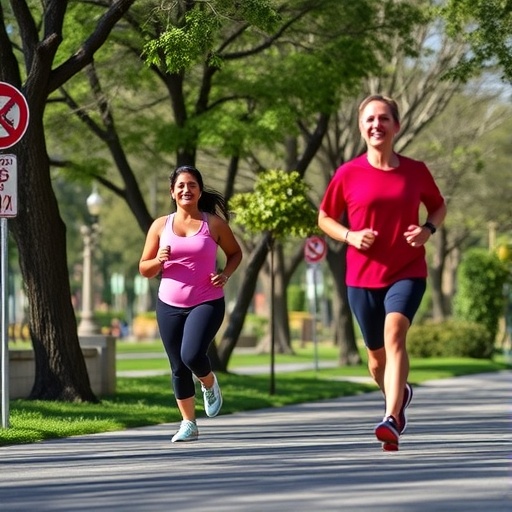
The clearest association among Hispanic participants involved physical activity. Participants who reported any level of activity appeared to experience a slower rate of cognitive decline than those with more sedentary lifestyles. The result did not require intensive exercise or a specific training program; rather, it suggested that avoiding prolonged inactivity may be relevant to long-term cognitive health. Physical activity can influence the brain through several pathways, including improved blood flow, better insulin sensitivity, reduced inflammation, healthier blood pressure and increased production of growth factors involved in neuronal maintenance and plasticity.
The pattern was different among non-Hispanic white participants. In that group, lower fasting blood glucose was associated with slower cognitive decline. Fasting glucose measures the amount of sugar circulating in the blood after an individual has gone without food for approximately eight to 12 hours. The study reported that readings of 126 milligrams per deciliter or lower were associated with a more favorable cognitive trajectory. That threshold is clinically important because a fasting glucose level of 126 milligrams per deciliter or higher is commonly used as one criterion for diabetes when confirmed through appropriate medical testing. The finding does not mean that a single glucose reading can predict an individual’s future cognition, but it underscores the potential importance of long-term metabolic health.
The researchers said the ethnic differences should not be interpreted as evidence that exercise benefits only Hispanic people or that blood glucose matters only for non-Hispanic white people. Instead, the results may reflect differences in genetic background, diabetes prevalence, diet, socioeconomic conditions, access to health care, environmental exposures or patterns of physical activity. Cardiovascular risk factors may also interact with one another differently across populations. Mexican American adults, who represent the largest Hispanic population in the United States, experience particularly high rates of diabetes, obesity and abnormal blood lipid levels, all of which can affect both vascular function and brain health.
The findings are especially significant because Hispanic adults remain underrepresented in Alzheimer’s disease research despite facing a disproportionate burden of dementia. About 14% of Hispanic adults aged 65 and older are estimated to have Alzheimer’s disease, compared with approximately 10% of non-Hispanic white older adults. The shared geographic and source population of the San Antonio cohorts gave investigators an opportunity to compare the two groups within a similar regional context, reducing some of the differences that can complicate comparisons between studies conducted in separate locations.
Claudia Satizabal, a co-senior author and associate professor in the Department of Population Health Sciences at UT Health San Antonio and the Glenn Biggs Institute for Alzheimer’s and Neurodegenerative Diseases, said modifiable cardiovascular behaviors could help reduce the public health burden of Alzheimer’s disease and other dementias, especially in communities at elevated risk. First author Janette Vazquez cautioned that the ethnic-specific results require replication in larger studies. The researchers also said future work should track cardiovascular health repeatedly across the lifespan instead of measuring it at one point in time. Such research could reveal whether sustained activity, gradual glucose changes or specific combinations of risk factors are most important for preserving cognition.
The study, titled “Longitudinal association between midlife cardiovascular health and cognitive change in a bi-ethnic cohort,” was published July 23, 2026, in Alzheimer’s & Dementia: Behavior & Socioeconomics of Aging. Its authors emphasized that the observational design identifies associations rather than proving that physical activity or glucose control directly prevents cognitive decline. Even so, the results point toward practical areas for prevention: reducing sedentary time, supporting regular movement and maintaining healthy metabolic function well before old age. Participants from the original cohorts are now being invited to join the San Antonio Heart and Mind Study, which will combine advanced brain imaging with neurological data to investigate how cardiovascular health and cognitive aging intersect.
News Publication Date: Aug. 4, 2026
Web References: https://doi.org/10.1002/bsa3.70096; https://biggsinstitute.org/sahms/
References: Vazquez J, Bernal R, Aguirre LA, Melgarejo JD, Maestre G, Seshadri S, Hazuda HP, Wang CP, Satizabal CL. “Longitudinal association between midlife cardiovascular health and cognitive change in a bi-ethnic cohort.” Alzheimer’s & Dementia: Behavior & Socioeconomics of Aging. Published July 23, 2026. DOI: 10.1002/bsa3.70096.
Cite Scienmag News
Ophelia Keating. (August 5, 2026). Any physical activity may slow cognitive decline, especially among Hispanics, study finds. Scienmag. https://scienmag.com/any-physical-activity-may-slow-cognitive-decline-especially-among-hispanics-study-finds/
Ophelia Keating. "Any physical activity may slow cognitive decline, especially among Hispanics, study finds." Scienmag, 5 August 2026, https://scienmag.com/any-physical-activity-may-slow-cognitive-decline-especially-among-hispanics-study-finds/. Accessed 4 September 2026.
Ophelia Keating. "Any physical activity may slow cognitive decline, especially among Hispanics, study finds." Scienmag. August 5, 2026. https://scienmag.com/any-physical-activity-may-slow-cognitive-decline-especially-among-hispanics-study-finds/


