


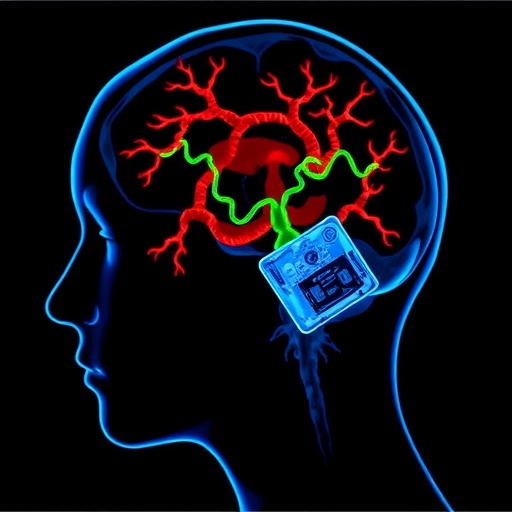
In a groundbreaking study published in Cell Death Discovery, researchers have uncovered a remarkable therapeutic potential of antler stem cells in the treatment of cerebral ischemic injury. The study, conducted by Wu, Gao, Zhong, and colleagues, introduces a novel avenue for intervention in one of the most formidable neurovascular disorders: ischemic stroke. By harnessing the unique regenerative and immunomodulatory properties of antler stem cells, the team shed light on how these cells interact with the spleen’s immune environment to mitigate the cascading damage normally observed post-stroke.
Cerebral ischemic injury, primarily caused by an obstruction of blood flow to the brain, leads to a rapid loss of oxygen and nutrients, resulting in a complex cascade of cellular damage and inflammation. Current therapies for ischemic stroke remain limited, often focusing on the narrow window of reperfusion and symptom management rather than comprehensive repair of injured brain tissue. This new approach, using antler stem cells, promises a shift towards endogenous repair processes that could vastly improve recovery outcomes.
Antlers are unique among mammalian organs for their rapid and complete regeneration every year. This extraordinary regenerative capacity is driven by specialized stem cells housed within the antler tissue. These cells not only proliferate rapidly but also exhibit potent immunomodulatory functions, which are crucial in moderating inflammatory responses. Wu and colleagues hypothesized that these properties could be leveraged to provide neuroprotection and support brain repair after ischemic stroke.
The study utilized a rodent model of cerebral ischemia to investigate the effects of antler stem cell administration. Upon introducing these cells into the affected animals, the researchers observed significant improvements in motor functions and a reduction in neurological deficits compared to control groups. This functional recovery correlated closely with a marked reduction in the extent of cerebral infarction, indicating direct neuroprotective effects exerted by the antler stem cells.
What sets this research apart is the elucidation of the spleen’s central role in mediating the therapeutic effects of antler stem cells. Traditionally recognized as an immune organ, the spleen increasingly garners attention for its involvement in systemic inflammatory responses post-stroke. Wu et al. demonstrated that antler stem cells modulated splenic immune cell populations, particularly reducing the pro-inflammatory subsets while promoting regulatory immune cells, thereby dampening the overall inflammatory milieu that exacerbates cerebral injury.
The immunomodulation of the spleen appears to be a critical mechanism for the antler stem cells’ efficacy. By attenuating the peripheral immune activation, the cells indirectly prevent secondary damage within the brain. This finding is significant because it opens avenues for peripheral immune targets in stroke interventions, a domain that has long remained underexplored. Furthermore, this mechanism highlights the interconnectedness of central and peripheral immune responses in the context of neurovascular injury.
Apart from immunomodulation, the antler stem cells secrete a milieu of trophic factors that support neuronal survival, angiogenesis, and tissue remodeling. These secreted factors likely contribute to the reduced infarct size observed and support the restoration of the neurovascular unit’s integrity. This multifaceted action underscores the therapeutic advantage of using stem cells that naturally combine immune regulation with regenerative stimuli.
Detailed histological analyses conducted in this study revealed decreased infiltration of inflammatory cells and reduced apoptosis in the penumbra region, which is the susceptible zone surrounding the core ischemic lesion. The administration of antler stem cells also promoted the activation of endogenous neural stem cells, hinting at the possibility of enhancing intrinsic brain repair mechanisms alongside external cellular therapy.
The timing and method of stem cell administration were also carefully optimized. The researchers found that early intervention post-ischemia yielded the best outcomes, reflecting the importance of curbing the initial inflammatory surge. Intriguingly, systemic delivery rather than direct intracerebral injections proved sufficient to elicit these therapeutic benefits, making the approach more feasible for clinical translation.
Safety assessments reported in the study highlighted the low immunogenicity and absence of tumorigenicity or adverse immune reactions following antler stem cell treatment. Given that antlers are a natural regenerative tissue with low rates of malignant transformation, their stem cells appear to present a safer profile compared to other stem cell types commonly studied in stroke therapy.
This research represents a convergence of regenerative biology, immunology, and neurovascular medicine, illustrating how insights drawn from natural regeneration in animals can inspire innovative treatments for human diseases. The findings pave the way for future clinical trials exploring antler stem cells as a viable biotherapeutic product for stroke patients, potentially transforming the therapeutic landscape.
Nonetheless, questions remain regarding the long-term effects and potential scalability of this treatment. Further research is required to dissect the molecular signals by which antler stem cells direct spleen-derived immune cells and to explore whether similar mechanisms apply in human systems. Moreover, understanding the full spectrum of trophic factors secreted by these stem cells could inspire synthetic or engineered therapeutics.
The study’s robust experimental design, combining behavioral assessments, immunological profiling, and molecular analyses, provides high confidence in the reproducibility and significance of the findings. Transparency in methodology and open access to data will undoubtedly facilitate rapid advancements and cross-disciplinary collaborations in the regenerative medicine community.
In essence, this paradigm-shifting study not only emphasizes the untapped potential of antler stem cells in neuroprotection but also champions the spleen as a critical target for modulating peripheral immune responses post-stroke. It challenges conventional paradigms of stroke treatment and offers hope for effective, multifaceted interventions capable of improving patient outcomes on a global scale.
As the global burden of stroke continues to rise, breakthroughs like this signal a paradigm shift beyond acute care into the realm of regenerative and immunomodulatory therapeutics. The translational journey from deer antlers to clinical application encapsulates the power of nature-inspired innovation, potentially heralding a new dawn in stroke recovery strategies.
Cite Scienmag News
Cassandra Pierce. (June 24, 2026). Antler Stem Cells Relieve Cerebral Ischemic Injury. Scienmag. https://scienmag.com/antler-stem-cells-relieve-cerebral-ischemic-injury/
Cassandra Pierce. "Antler Stem Cells Relieve Cerebral Ischemic Injury." Scienmag, 24 June 2026, https://scienmag.com/antler-stem-cells-relieve-cerebral-ischemic-injury/. Accessed 3 September 2026.
Cassandra Pierce. "Antler Stem Cells Relieve Cerebral Ischemic Injury." Scienmag. June 24, 2026. https://scienmag.com/antler-stem-cells-relieve-cerebral-ischemic-injury/


