


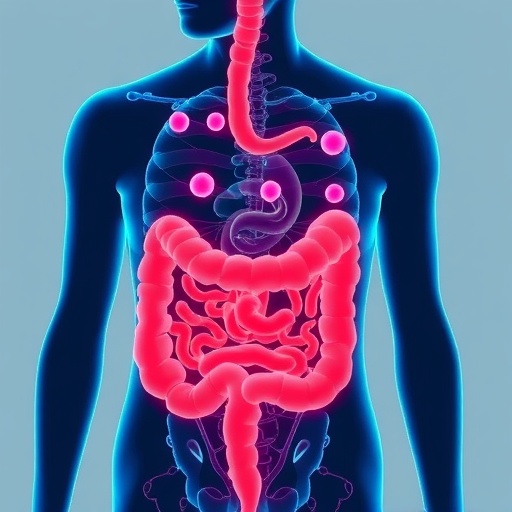
In a groundbreaking study published in BMC Psychiatry, researchers have uncovered compelling evidence linking the gut microbiome composition in individuals with schizophrenia (SCZ) to the use of antipsychotic medication, specifically risperidone. This Eastern European pilot study offers new insights into the complex interactions between psychiatric conditions, microbiota alterations, and pharmacological interventions, highlighting the gut-brain axis (GBA) as a pivotal element in understanding schizophrenia’s multifaceted pathology.
Schizophrenia is a severe and chronic mental disorder marked by disturbances in thought, perception, and behavior. Beyond its neuropsychiatric dimensions, this condition manifests systemic effects involving multiple organ systems, including the gastrointestinal tract. The bidirectional communication between the gut and the brain, mediated through the GBA, plays an influential role in both mental health and disease states. Despite increasing interest, specific microbial signatures characterizing schizophrenia have remained elusive until now.
The study involved an in-depth analysis of the gut microbiota from 57 Romanian adults, comprising 30 diagnosed schizophrenia patients and 27 healthy controls (HC). Utilizing high-throughput amplicon sequencing targeting the V3-V4 region of the 16S rRNA gene extracted from stool samples, the researchers meticulously profiled microbial communities to discern differences related to disease status and medication use. DNA extraction was enhanced through an optimized combination of enzymatic and mechanical lysis protocols to ensure high-quality sequencing input.
Subsequently, the microbial sequencing data underwent rigorous bioinformatics processing using the DADA2 pipeline for error correction and taxonomic assignment. Variance stabilization via DESeq2 was applied before calculating Bray–Curtis and weighted UniFrac distance metrics, facilitating robust ecological comparisons between cohorts. Principal coordinate analysis (PCoA) and permutational multivariate analysis of variance (PERMANOVA) revealed notable segregations in microbial community structures, effectively distinguishing SCZ patients from healthy counterparts.
Remarkably, schizophrenia patients exhibited significantly decreased abundances of beneficial bacterial genera such as Bifidobacterium (p = 0.0187), Blautia (p < 0.001), and Eubacterium (p = 0.00120). These genera are often implicated in maintaining gut homeostasis, contributing to anti-inflammatory states and short-chain fatty acid production. Contrastingly, phylogenetic diversity measured by Faith’s PD was elevated in SCZ patients both before and after rarefaction, although commonly used diversity indices like Shannon and Simpson did not indicate significant differences.
The microbial community differences between schizophrenic and healthy groups were substantial, with disease status alone accounting for approximately 13–15% of the variance without adjustment and about 4.4% after adjusting for confounding factors such as smoking habits, diet, lifestyle, and metabolic comorbidities. Importantly, within the schizophrenia subgroup, the use of risperidone — a widely prescribed antipsychotic — emerged as the only clinical variable significantly influencing gut microbiome community composition (p < 0.01). This finding underscores potential medication-induced microbiota modulations, which could contribute to both therapeutic outcomes and side effects.
Advanced statistical approaches accounting for the compositional nature of microbiome data, including centered log-ratio transformations, principal component analysis (PCA), and supervised sparse partial least squares discriminant analysis (sPLS-DA), identified key microbial taxa driving group separations. Specifically, Erysipelotrichaceae UCG-003 and Anaerostipes were prevalent in healthy controls, while Holdemanella dominance characterized schizophrenic patients, with all differences statistically significant (p < 0.0001). These taxa shifts may reflect alterations in metabolic and immunomodulatory pathways intrinsic to schizophrenia and/or risperidone’s influence.
The study’s integrative approach combining multiple analytical pipelines and rigorous adjustment for confounders provides robust evidence supporting gut microbiome alterations in schizophrenia. Crucially, it implicates risperidone as a modulator of gut bacterial community structure, suggesting that antipsychotic therapy extends beyond neuropharmacological effects to impact gastrointestinal ecology. This intricate interplay may underlie part of the variable clinical efficacy and adverse gastrointestinal symptoms commonly reported by patients.
Researchers emphasize the therapeutic potential of targeting the GBA to develop novel interventions aimed at restoring microbial balance and improving psychiatric outcomes. Understanding how antipsychotics influence gut microbiota could refine medication regimens, minimize side effects, and open avenues for adjunctive microbiome-based strategies. This underscores the need for personalized medicine approaches that integrate neuropsychiatric and gastroenterological considerations in schizophrenia management.
Despite its pilot nature and relatively small cohort size, this study serves as a critical starting point for larger, longitudinal investigations to dissect causality and mechanisms linking antipsychotic use with gut microbial dynamics. Future research probing functional metagenomics, metabolomics, and host immune responses will be vital to elucidate the biological significance of these findings and translate them into clinical practice.
This promising research establishes a foundation for comprehending schizophrenia as not merely a brain disorder but a systemic condition deeply intertwined with gut microbiota alterations modulated by pharmacotherapy. By shining light on the microbial underpinnings influenced by risperidone, it encourages a paradigm shift that integrates microbiology, psychiatry, and pharmacology to foster holistic patient care.
Further studies exploring diverse populations and antipsychotic agents are warranted to expand on these observations and identify universal versus region-specific microbial patterns. A multidisciplinary effort bridging microbiome science, psychiatric research, and clinical therapeutics is essential to harness the full potential of this nascent field and ultimately improve the quality of life for individuals afflicted with schizophrenia.
Cite Scienmag News
Morgan Morrow. (October 30, 2025). Antipsychotics Impact Gut Microbiota in Schizophrenia. Scienmag. https://scienmag.com/antipsychotics-impact-gut-microbiota-in-schizophrenia/
Morgan Morrow. "Antipsychotics Impact Gut Microbiota in Schizophrenia." Scienmag, 30 October 2025, https://scienmag.com/antipsychotics-impact-gut-microbiota-in-schizophrenia/. Accessed 4 September 2026.
Morgan Morrow. "Antipsychotics Impact Gut Microbiota in Schizophrenia." Scienmag. October 30, 2025. https://scienmag.com/antipsychotics-impact-gut-microbiota-in-schizophrenia/


