Wednesday, October 28, 2026
Science
No Result
View All Result
  • Login
  • HOME
  • SCIENCE NEWS
  • CONTACT US
  • HOME
  • SCIENCE NEWS
  • CONTACT US
No Result
View All Result
Scienmag
No Result
View All Result
Home Science News Biology

Antibody therapies target Andes virus through neutralization and Fc-mediated protection

October 28, 2026
in Biology
Kristina Jarvis
By Kristina Jarvis Scienmag Editorial Profile - Infectious Disease Medicine
Reading Time: 2 mins read
0
Antibody therapies target Andes virus through neutralization and Fc-mediated protection

Antibody therapies target Andes virus through neutralization and Fc-mediated protection

65
SHARES
587
VIEWS
Share on FacebookShare on Twitter
ADVERTISEMENT

Andes virus, the principal cause of hantavirus cardiopulmonary syndrome in South America, kills up to 40 percent of the people it infects, yet no licensed vaccine or specific antiviral therapy exists against it. A review published in the journal Biological Research examines how monoclonal antibodies could fill that gap, arguing that protection against the virus depends not only on the ability of antibodies to neutralize the pathogen directly but also on Fc-mediated effector functions that recruit other arms of the immune system. The authors, led by Jorge T. González, Camila Kossack, José L. Garrido and María I. Barría, summarize current advances in antibody-based therapies targeting the virus and highlight engineering strategies intended to make future interventions more effective.

The virus stands out among hantaviruses for a reason that complicates public health responses: it has a unique capacity for person-to-person transmission among hantaviruses. That trait, combined with its high case fatality rate, underscores the need to develop effective therapeutic and prophylactic strategies against the virus, according to the paper. Andes virus is described as a neglected pathogen, and the absence of licensed countermeasures underscores the need for both therapeutic and prophylactic strategies, according to the paper.

Monoclonal antibodies have emerged as a promising platform for preventing and treating viral diseases. The review attributes that promise to three characteristics: high specificity for their targets, rapid development timelines compared with traditional vaccine or drug discovery, and the potential for optimization through antibody engineering.

Neutralization, the classic mechanism of antibody protection, remains central to the argument.

But the review’s central thesis is that neutralization alone does not capture the full picture.

The review notes that Fc-mediated effector functions have increasingly been recognized as critical contributors to antiviral immunity and therapeutic efficacy, a shift with consequences for how candidate antibodies against Andes virus should be selected and engineered.

The authors also draw on evidence from antibody-based interventions against other viral pathogens, which they say has demonstrated the clinical feasibility of the approach and provides a strong rationale for applying it to Andes virus.

The review highlights emerging strategies to optimize antibody engineering for the development of more effective therapeutic and prophylactic interventions against the virus.

The review frames its conclusions around a pathogen that has received far less attention than its clinical burden would suggest.

Subject of Research: Antibody-based therapeutic and prophylactic strategies against Andes virus

Article Title: Antibody-based therapies against Andes virus: from neutralization to Fc-mediated protection

Article References: González, J. T., Kossack, C., Garrido, J. L., & Barría, M. I. (2026). Antibody-based therapies against Andes virus: from neutralization to Fc-mediated protection. Biological Research. https://doi.org/10.1186/s40659-026-00724-8

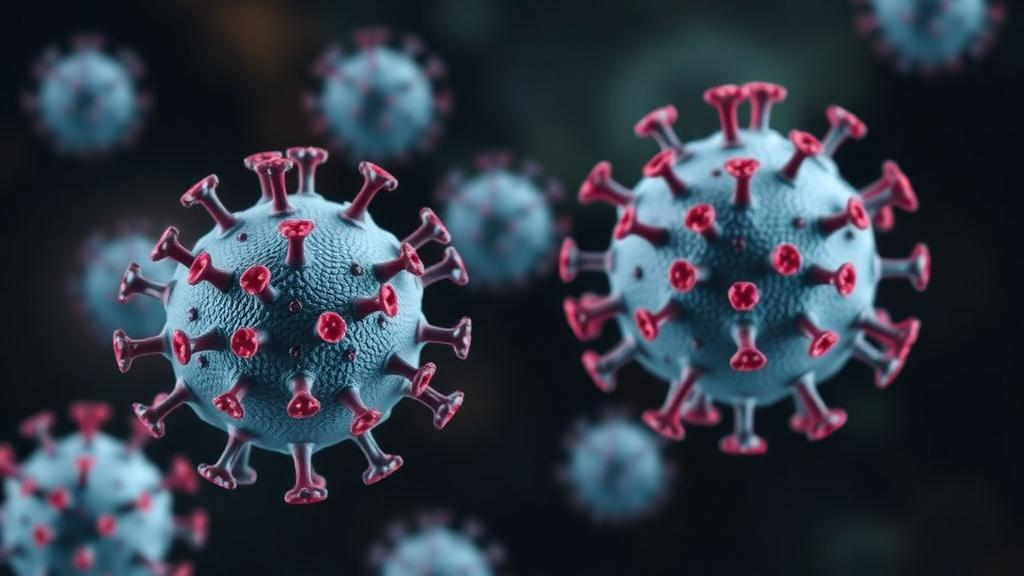
Image Credits: AI Generated

DOI: 10.1186/s40659-026-00724-8

Keywords: Andes virus, hantavirus cardiopulmonary syndrome, monoclonal antibodies, virus neutralization, Fc-mediated effector functions, antibody-dependent cellular cytotoxicity, antibody engineering, person-to-person transmission, prophylaxis, neglected pathogen, Antibody-based, therapies

Cite Scienmag News

Kristina Jarvis. (October 28, 2026). Antibody therapies target Andes virus through neutralization and Fc-mediated protection. Scienmag. https://scienmag.com/antibody-therapies-target-andes-virus-through-neutralization-and-fc-mediated-protection/

Kristina Jarvis. "Antibody therapies target Andes virus through neutralization and Fc-mediated protection." Scienmag, 28 October 2026, https://scienmag.com/antibody-therapies-target-andes-virus-through-neutralization-and-fc-mediated-protection/. Accessed 28 October 2026.

Kristina Jarvis. "Antibody therapies target Andes virus through neutralization and Fc-mediated protection." Scienmag. October 28, 2026. https://scienmag.com/antibody-therapies-target-andes-virus-through-neutralization-and-fc-mediated-protection/

Tags: Andes virusAndes virus antibody therapiesantibody engineeringantibody engineering for hantavirus treatmentAntibody-basedantibody-dependent cellular cytotoxicityantiviral therapies targeting Andes viruschallenges in developing hantavirus vaccinesFc-mediated effector functionsFc-mediated immune protection against Andes virushantavirus cardiopulmonary syndromehantavirus cardiopulmonary syndrome treatment optionsimmune system recruitment through Fc functionsimmunotherapy strategies for Andes virusmonoclonal antibodiesmonoclonal antibody development for viral infectionsneglected pathogenneglected viral pathogens and antibody researchneutralizing monoclonal antibodies for hantavirusperson-to-person transmissionperson-to-person transmission of hantavirusprophylaxistherapeutic strategies for high-fatality zoontherapiesvirus neutralization
Share26Tweet16
Previous Post

Src kinase emerges as a molecular player in early tau pathology in Alzheimer’s disease

Next Post

Dual-Core Fiber Sensor Design Simultaneously Tracks Refractive Index and Temperature

Related Posts

Laboratory Generations of Sugarcane Parasitoid Wasp Lose Fitness Within Ten Generations
Agriculture

Laboratory Generations of Sugarcane Parasitoid Wasp Lose Fitness Within Ten Generations

October 28, 2026
Prophages Shape Virulence, Not Resistance, in Staphylococcus aureus Genomes
Biology

Prophages Shape Virulence, Not Resistance, in Staphylococcus aureus Genomes

October 28, 2026
TREX1 enzyme shields tumors by destroying immune-activating DNA fragments
Biology

TREX1 enzyme shields tumors by destroying immune-activating DNA fragments

October 28, 2026
Evolutionary Feature Optimization Sharpens Latent Learning in Endoscopy Images
Biotechnology

Evolutionary Feature Optimization Sharpens Latent Learning in Endoscopy Images

October 28, 2026
Metabolic Protein Tags Emerge as Key Players in Disc Degeneration
Biology

Metabolic Protein Tags Emerge as Key Players in Disc Degeneration

October 28, 2026
Life by Subtraction: Minimal Cells May Emerge by Shedding Environmental Scaffolds
Biology

Life by Subtraction: Minimal Cells May Emerge by Shedding Environmental Scaffolds

October 28, 2026
Next Post
Dual-Core Fiber Sensor Design Simultaneously Tracks Refractive Index and Temperature

Dual-Core Fiber Sensor Design Simultaneously Tracks Refractive Index and Temperature

  • Mothers who receive childcare support from maternal grandparents show more optimized

    Mothers who receive childcare support from maternal grandparents show more parental warmth, finds NTU Singapore study

    27656 shares
    Share 11059 Tweet 6912
  • University of Seville Breaks 120-Year-Old Mystery, Revises a Key Einstein Concept

    1061 shares
    Share 424 Tweet 265
  • Bee body mass, pathogens and local climate influence heat tolerance

    682 shares
    Share 273 Tweet 171
  • Researchers record first-ever images and data of a shark experiencing a boat strike

    546 shares
    Share 218 Tweet 137
  • Groundbreaking Clinical Trial Reveals Lubiprostone Enhances Kidney Function

    531 shares
    Share 212 Tweet 133
Science

Embark on a thrilling journey of discovery with Scienmag.com—your ultimate source for cutting-edge breakthroughs. Immerse yourself in a world where curiosity knows no limits and tomorrow’s possibilities become today’s reality!

RECENT NEWS

  • Systematic review maps end-of-life psychosocial and spiritual needs in physical disability
  • Text Message Campaign Reached Only a Third of Patients Overdue for Colorectal Cancer Screening
  • FOXO1 Emerges as Candidate Regulator and Biomarker in Hip Dysplasia
  • Regulators, developers and clinicians in Shenzhen voice concerns over medical AI governance

Categories

  • Agriculture
  • Anthropology
  • Archaeology
  • Athmospheric
  • Biology
  • Biotechnology
  • Blog
  • Bussines
  • Cancer
  • Chemistry
  • Climate
  • Earth Science
  • Editorial Policy
  • Marine
  • Mathematics
  • Medicine
  • Pediatry
  • Policy
  • Psychology & Psychiatry
  • Science Education
  • Science News
  • Social Science
  • Space
  • Technology and Engineering

Subscribe to Blog via Email

Enter your email address to subscribe to this blog and receive notifications of new posts by email.

Join 5,151 other subscribers

© 2025 Scienmag - Science Magazine

Welcome Back!

Login to your account below

Forgotten Password?

Retrieve your password

Please enter your username or email address to reset your password.

Log In
No Result
View All Result
  • HOME
  • SCIENCE NEWS
  • CONTACT US

© 2025 Scienmag - Science Magazine

Discover more from Science

Subscribe now to keep reading and get access to the full archive.

Continue reading