


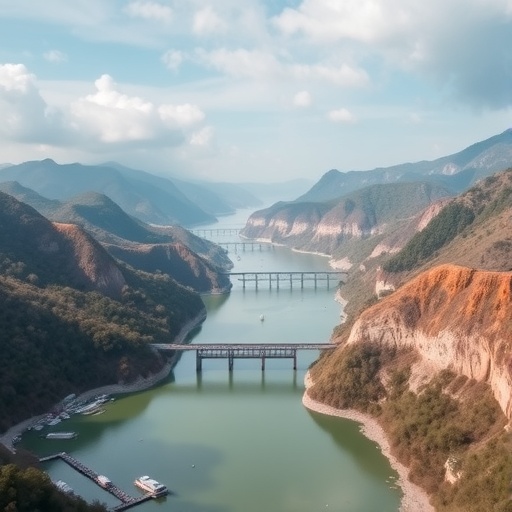
In a significant study published in Environmental Monitoring and Assessment, researchers have delved deep into the presence of antibiotics in a major drinking water reservoir located in the upper Yangtze River region. This exploration provides invaluable insights into the spatial and temporal variations of antibiotics, alongside evaluating the associated risks and contributing factors. The findings present crucial implications for public health and environmental protection, raising alarms about the potential hazards posed by these pharmaceuticals in drinking water sources.
The upper Yangtze River, an essential water source for millions, has been under scrutiny in light of increasing evidence of antibiotic contamination. Antibiotics, while vital for treating infections, have made their way into water systems through various pathways, including agricultural runoff, wastewater discharge, and the improper disposal of pharmaceuticals. The study leverages advanced analytical methodologies to quantify these substances, revealing patterns that may not only inform regulatory measures but also sway public policy regarding water safety.
As the research unfolds, it becomes apparent that understanding the dynamics behind antibiotic presence is imperative for effective risk assessment. Various factors, such as seasonal variations and anthropogenic activities, significantly influence the concentrations of these contaminants. During periods of high rainfall, for example, the influx of runoff can elevate antibiotic levels, underscoring the need for strategic management practices that account for these fluctuations. Such insights are crucial as they guide policymakers in crafting timely and effective interventions.
Another focus of this comprehensive research is the identification of specific antibiotics detected in the reservoir. The diversity of these compounds—including commonly used antibiotics such as tetracyclines, sulfonamides, and penicillins—signals a multifaceted contamination issue that requires tailored remediation strategies. The study not only catalogues these substances but also investigates their potential effects on aquatic ecosystems and human health. By documenting the concentration of these compounds, researchers establish a baseline that can be essential for future monitoring and public health risk assessments.
The research team utilized sophisticated sampling methods, evaluating various locations and times to achieve a thorough understanding of the antibiotics’ spatial distribution and temporal variations. The analysis revealed hotspots of contamination that can serve as focal points for mitigation efforts, allowing stakeholders to allocate resources effectively. This level of detail is crucial for environmental monitoring as it highlights areas in significant need of intervention and ensures that maintenance of water quality is prioritized.
One standout feature of this study is the comprehensive risk assessment it undertakes. Beyond merely identifying contamination, the research evaluates the potential risks posed by the detected antibiotics to both human populations and the ecosystem. By analyzing the data through the lens of risk factors, the researchers are able to draw connections between antibiotic presence and the potential impacts on aquatic life, including disruption of the food chain and the development of antibiotic-resistant bacteria, which have far-reaching implications for public health.
The findings of this study also highlight the gap between regulatory frameworks and ongoing environmental challenges. With increasing evidence of widespread antibiotic contamination in water sources globally, there is a growing call for stricter regulations. The authors propose that Governments should consider implementing enhanced monitoring systems and stricter guidelines on pharmaceutical waste disposal to prevent further contamination. The need for public awareness campaigns is also emphasized, as educating the community on the dangers of improper disposal methods could significantly reduce local contamination levels.
In addition to highlighting the environmental aspect, the study engages with socioeconomic factors that drive antibiotic usage and rinses through water systems. The researchers contemplate how agricultural practices, particularly in regions surrounding the reservoir, often dictate antibiotic use in both livestock and crops, thereby influencing what eventually enters the water system. This connection between agriculture, antibiotic usage, and water contamination reveals a complex web of interactions that necessitates holistic approaches in policy and practice.
As this research offers a multifaceted view of antibiotic contamination, it also stresses the importance of interdisciplinary collaboration. Environmental scientists, public health officials, and policymakers must work together to tackle this pressing issue. Only through a comprehensive understanding of the routes and rates of contamination can an effective mitigation strategy be developed, one that is sustainable and protects both human health and ecosystems alike.
The implications of this study extend beyond the local context; global attention is warranted given the rising trends of antibiotic resistance. The published data is critical not just for the upper Yangtze River but serves as a model that other regions facing similar challenges can reference. Adapting this research methodology elsewhere, can propel a focused global initiative geared towards preserving drinking water quality and reducing antibiotic resistance.
As we reflect upon the findings of this extensive study, it becomes increasingly clear: the health of our waters is directly tied to our health as a society. In a time when antibiotic resistance poses a serious threat to global health, understanding and controlling contamination sources in our drinking water cannot be overlooked. This study acts as both a wake-up call and a roadmap, shedding light on not only the issues at hand but also the avenues for proactive change.
As the conversation surrounding water safety and environmental health continues to evolve, stakeholders at every level must remain vigilant. The path forward lies in illuminating these critical links, championing transparency in environmental monitoring, and fostering cooperation between diverse sectors. By amplifying research efforts and translating data into actionable policy, we stand a chance to safeguard our crucial water resources against the looming threat of antibiotic contamination.
In conclusion, the groundbreaking work presented by Tang et al. serves as a foundational piece in the dialogue about antibiotic contamination in drinking water. It is imperative that we heed these findings and act upon them, ensuring that future generations can access safe and clean drinking water. The research not only adds to the existing body of knowledge but inspires an urgent call to action that cannot be ignored.
Tang, Y., Liu, L., Sun, H. et al. Comprehensive insights into the occurrence, spatiotemporal variations and risk assessment of antibiotics and their driving factors in a large drinking water reservoir in the upper Yangtze River.
Environ Monit Assess 197, 1170 (2025). https://doi.org/10.1007/s10661-025-14639-6
Cite Scienmag News
Violet Maxwell. (October 2, 2025). Antibiotic Dynamics in Upper Yangtze River Reservoir. Scienmag. https://scienmag.com/antibiotic-dynamics-in-upper-yangtze-river-reservoir/
Violet Maxwell. "Antibiotic Dynamics in Upper Yangtze River Reservoir." Scienmag, 2 October 2025, https://scienmag.com/antibiotic-dynamics-in-upper-yangtze-river-reservoir/. Accessed 4 September 2026.
Violet Maxwell. "Antibiotic Dynamics in Upper Yangtze River Reservoir." Scienmag. October 2, 2025. https://scienmag.com/antibiotic-dynamics-in-upper-yangtze-river-reservoir/


