

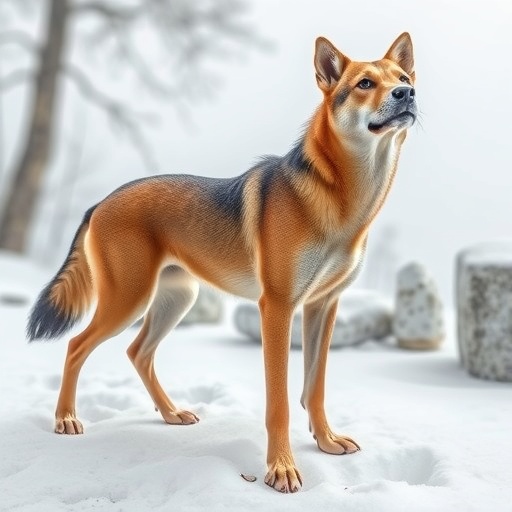
In a groundbreaking study, researchers have unveiled significant findings regarding the ancient canid remains excavated from the Houtaomuga archaeological site in Northeast China. This research, led by Wang, X., Wang, L., and Cai, D., delves into the intricate relationship between early humans and domestic canids, offering insights that may reshape our understanding of the domestication process and the interactions between these species throughout history.
The excavation site at Houtaomuga has long been a point of interest for archaeologists, serving as a trove of artifacts that highlight the lifestyle and practices of ancient peoples in the region. The canid remains discovered here, believed to date back thousands of years, represent a critical link to understanding the domestication of dogs. This study is not merely about the remains but seeks to paint a broader picture of the ecological and cultural dynamics of the time.
Using advanced techniques in ancient DNA analysis, the research team extracted genetic material from the canid remains. This process involved meticulous bioarchaeological methods that revealed much about the lineage and genetics of these ancient canids. One of the most intriguing aspects of the study was the identification of specific genetic markers that distinguish these ancient canids from their modern descendants, suggesting that genetic divergence occurred much earlier than previously assumed.
The findings from the DNA analysis found a surprising level of genetic diversity within the canid remains, indicating that these animals were not just a single, homogenous population. This genetic variability points to multiple domestication events or crossbreeding with wild canid populations, challenging the prevailing notion that domestication occurred in a single, linear process. Such insights underscore the complexity of human-animal relationships, as ancient communities adapted their practices and breeding strategies in response to their environmental conditions.
Interestingly, the canid remains were found alongside various artifacts, including tools and remnants of ancient hearths, providing context to their role in the daily lives of the people who inhabited the area. The association of these remains with human artifacts suggests that canids may have played an important role not only as companions but also as working animals, aiding in hunting and protection. This indicates a multi-faceted relationship that went beyond mere domestication, integrating these canids deeply into the socio-cultural fabric of ancient societies.
Furthermore, the study sheds light on dietary habits and ecological roles of these ancient canids. Analysis of isotopic signatures in the remains revealed insights into their diets, showing a varied consumption of both terrestrial and aquatic resources. These findings contribute to a broader understanding of environmental adaptations of canids in response to their habitats, showcasing how these animals thrived alongside human populations.
The implications of this research extend beyond the confines of archaeology. By understanding the evolutionary pathways of canids, scientists can confront contemporary issues related to domestic dog breeds and their health. As researchers continue to explore the genetic backgrounds of modern dogs, findings from ancient DNA studies provide essential clues, potentially guiding breeding programs aimed at promoting genetic diversity and health within dog populations.
In a world where biodiversity is increasingly under threat, studying ancient canids offers critical reflections on the impacts of domestication and human interaction with wildlife. The genetic data emerging from Houtaomuga emphasizes the necessity of maintaining genetic diversity not only in canids but also across various species facing extinction pressures today.
The Houtaomuga site serves as a vital reminder of the deep-rooted connections between humans and animals. This research illustrates how ancient peoples recognized and fostered relationships with canids, shaping the course of their own development. The coexistence of humans and canids may have influenced early survival strategies and social structures, suggesting an early form of cooperation that set the stage for future animal husbandry practices.
As researchers continue to unravel the stories hidden within ancient remains, the Houtaomuga study stands as a beacon of curiosity, linking the past with contemporary discussions surrounding species conservation and our shared history with the natural world. The findings underscore the need for an interdisciplinary approach that melds archaeology, genetics, and ecological studies to foster a more comprehensive understanding of our relationship with domestic species.
The significance of these findings cannot be overstated, as they challenge established narratives and prompt a reconsideration of the timeline of domestication events. The complexity inherent in the genetic diversity of canids at Houtaomuga elucidates the multifaceted relationships that have existed between humans and other species throughout history.
In summary, the study by Wang, X., Wang, L., and Cai, D. on the ancient canid remains from the Houtaomuga archaeological site opens a new chapter in our understanding of domestication and human-animal interactions. It serves not only as a crucial piece of the puzzle in unraveling the past but also as a source of inspiration for future research endeavors. Engaging with ancient DNA has exposed the depth of our past while providing insight into the enduring bonds we share with domesticated animals today.
Subject of Research:
Ancient DNA study of canid remains from the Houtaomuga archaeological site.
Article Title:
Ancient DNA study of canid remains excavated from the Houtaomuga archaeological site, Northeast China.
Article References:
Wang, X., Wang, L. & Cai, D. Ancient DNA study of canid remains excavated from the Houtaomuga archaeological site, Northeast China.
asian archaeol 8, 123–133 (2024). https://doi.org/10.1007/s41826-024-00088-6
Image Credits:
AI Generated
DOI:
10.1007/s41826-024-00088-6
Keywords:
Ancient DNA, Canids, Domestication, Houtaomuga, Archaeology, Northeast China.


