

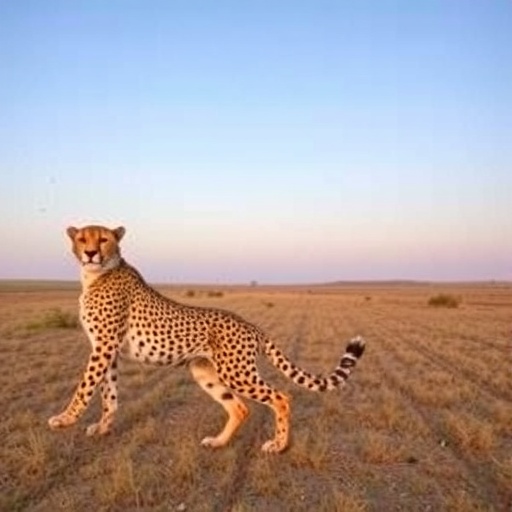
The discovery of mummified cave cheetahs serves as a focal point in our understanding of historical wildlife habitats and informs contemporary rewilding efforts in Saudi Arabia. These ancient remains allow scientists to delve into the evolutionary history and ecological dynamics of regions that have undergone significant transformation over millennia. As conservation biology continues to evolve, the lessons drawn from these mummified remains provide a crucial link to understanding the challenges and opportunities facing modern ecosystems today.
Mummified remains, particularly those of apex predators like the cheetah, offer vital insights into past climatic conditions and ecosystem interactions. Through advanced techniques like radiocarbon dating and genetic analysis, researchers can piece together the timeline of these animals’ existence, shedding light on their behavior, diet, and the environmental pressures they faced. The data gathered from such mummification not only enhances the existing knowledge of cheetah populations but also aids in the broader context of biodiversity conservation efforts globally.
One significant aspect of the research surrounding these mummified cheetahs is the comparative analysis with their modern counterparts. The variations in morphology, size, and behavior highlight the adaptations that occurred in response to changing environmental factors. Understanding these adaptations is critical as it underlines the resilience of species and the evolutionary paths that lead to current biodiversity. These insights can help predict how contemporary species, including the cheetah, might adapt or fail to adapt to ongoing climate changes.
Moreover, the implications of these findings go beyond just the cheetah itself. Ecosystem health relies on a complex web of interactions among various species. By studying the ecological companions of the mummified cheetahs—like prey species and cohabiting carnivores—scientists can infer the dynamics of historical biomes. This information is crucial for contemporary rewilding initiatives, which aim not only to return species to their native habitats but also to restore ecological processes that have been disrupted.
As rewilding efforts gain momentum in Saudi Arabia and elsewhere, understanding historical baselines becomes indispensable. The presence of mummified cave cheetahs indicates a once-thriving ecosystem that could support large carnivores. Such evidence encourages conservationists to develop strategies that not only prioritize species reintroduction but also habitat restoration and protection. Preserving ecological settings where these animals can thrive is essential for future biodiversity resilience.
The findings of the study offer a dual opportunity: not only do they help outline the historical narrative of the cheetah, but they also provide actionable data for current conservation practices. By examining the roles these animals played in their ecosystems, conservationists can emulate those historical structures in present habitats, fostering environments that support balance and diversity. This strategy marks a significant shift from mere species reintroduction to a holistic approach to ecosystem restoration.
A vital aspect of communications in conservation is the clarity of the message being sent to policymakers and the public. The study’s illuminating conclusions on the mummified cave cheetahs underscore the need for informed decision-making that respects historical context. It prompts stakeholders to recognize the complex interplay between species and their environments and to appreciate the value of adaptive management strategies that honor these intricacies.
Furthermore, educational institutions play a crucial role in disseminating the results of such studies. Engaging the next generation in discussions about these findings can inspire innovative conservation solutions and promote a deeper connection to the natural world. By integrating the story of the mummified cave cheetahs into educational curricula, we can foster a sense of stewardship among young people, motivating them to participate actively in conservation efforts.
In public discourse, the narrative surrounding mummified cave cheetahs must extend beyond the scientific community. Outreach and engagement initiatives that highlight the significance of these findings can galvanize public interest and support for rewilding projects. The more people understand the interconnectedness of life and the importance of preserving historical biodiversity, the more likely they are to advocate for preservation efforts.
Moreover, the research on mummified cave cheetahs includes a comprehensive analysis of climate influences that shaped their existence. As climate change remains a pressing global concern, these findings serve as a reminder of the historical adaptability of species. They also highlight the urgent need to mitigate present-day challenges to wildlife through conservation policies that prioritize sustainability and resilience.
Ultimately, this study serves as a compelling narrative on conservation and historical ecology, where the ancient informs the modern, and past adaptations guide future actions. The path from understanding the ancient cave cheetahs to implementing modern conservation strategies illustrates the importance of continuous learning from our environment. It also reinforces that the journey toward rewilding is as much about reconnecting with the past as it is about envisioning a sustainable future.
As the world grapples with biodiversity loss, innovations in research, coupled with effective communication strategies, can foster a renewed commitment to ecological health. The mummified cave cheetahs stand not just as relics of the past but as symbols of the dynamic relationship between organisms and their environments, reminding us of the ongoing challenge to coexist with nature.
The evolution of species across time reveals the adaptability inherent in life forms. As scientists study the implications of these findings for rewilding actions in Saudi Arabia, they encourage a broader narrative about the restoration of ecosystems worldwide. The dialogue sparked by this study will likely echo in conservation circles for years to come as a representation of constructive, evidence-based stewardship and a call to action for preserving our planet’s natural heritage.
In conclusion, the examination of mummified cheetahs is more than an archaeological curiosity; it is a vital source of information for improving ecological understanding and informing current conservation efforts. The lessons learned from the past can help direct the future, underscoring the essence of interconnectedness in the natural world and emphasizing the need to preserve the delicate balance that sustains life on Earth.
Subject of Research: Mummified cave cheetahs and their implications for rewilding actions.
Article Title: Mummified cave cheetahs inform rewilding actions in Saudi Arabia.
Article References: Boug, A.A., Mir, Z.R., Jbour, S. et al. Mummified cave cheetahs inform rewilding actions in Saudi Arabia. Commun Earth Environ 7, 24 (2026). https://doi.org/10.1038/s43247-025-03021-6
Image Credits: AI Generated
DOI: https://doi.org/10.1038/s43247-025-03021-6
Keywords: Mummified cheetahs, rewilding, biodiversity, conservation, ecological dynamics, ancient ecosystems, climate impact, species adaptation, Saudi Arabia.


