

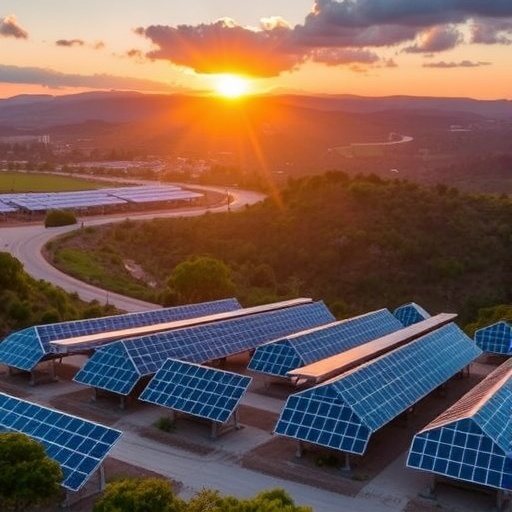
Brazil, the largest country in South America, is in the midst of a significant energy transformation that holds profound implications not only for the nation but also for global sustainability efforts. Researchers from diverse academic backgrounds have come together to explore the intricate tapestry of renewable energy sources in the country. Their study delves into how various energy configurations impact the realization of Sustainable Development Goal (SDG) 7.2, which seeks to ensure universal access to affordable, reliable, sustainable, and modern energy. The findings of this study could not only influence Brazil’s energy policy but also provide insights applicable to other countries striving to meet similar goals.
A closer examination reveals that Brazil is uniquely positioned to harness a broad spectrum of renewable energy sources, including hydropower, wind, and solar energy. The country’s geographic and climatic diversity endows it with ample resources to develop various types of renewable energy. Hydropower has long been Brazil’s dominant energy source, contributing significantly to the national grid. However, as the world becomes increasingly aware of the limitations of hydropower in the face of climate change and ecological concerns, the need for diversification becomes evident. The researchers emphasize that transitioning to a multifaceted renewable energy strategy is crucial for sustainable growth.
The methodology employed by the researchers is equally fascinating. By utilizing qualitative comparative analysis (QCA), they examine the combinations of various renewable energy sources and their effectiveness in achieving SDG 7.2. QCA allows for a nuanced understanding of how different factors interplay to produce successful outcomes. This approach uncovers the intricacies of energy systems and offers a more detailed understanding of how these configurations can work in tandem to enhance energy access and sustainability. Thus, this research not only showcases the importance of individual energy sources but also highlights the synergy that can be achieved through their complementary use.
Importantly, this research asks crucial questions. What specific combinations of renewable energies are most effective? How do local policies and geographical factors influence the adoption and success of these configurations? By focusing on these aspects, the researchers illuminate the pathways that can lead Brazil—and potentially other nations—on a sustainable energy trajectory. The findings suggest that a holistic approach toward renewable energy integration is essential for realizing widespread energy sustainability goals.
As Brazil continues to expand its investment in renewable energy infrastructure, the implications of the research grow more significant. The study assesses how different regions of Brazil are uniquely suited for specific kinds of renewable energy projects. For instance, the coastal areas might be better suited for wind energy, while the sun-drenched interior regions could excel in solar energy production. Such targeted strategies can enable Brazil to optimize its renewable energy potential and ensure that resources are allocated effectively, circumventing the pitfalls of a one-size-fits-all approach.
Another critical element explored in the study is the role of government policy in shaping the renewable energy landscape. The researchers argue that governmental support, through regulatory frameworks, financial incentives, and public awareness campaigns, is imperative for fostering a conducive environment for renewable energy configuration. The interplay between policy frameworks and energy configurations could potentially serve as a guiding principle not only for Brazil but for other countries embarking on similar renewable energy journeys. Understanding this relationship can help in crafting effective policies that boost local and national efforts to transition toward sustainability.
The analysis also brings to light the significance of stakeholder collaboration in achieving successful energy configurations. It highlights the importance of public-private partnerships and community involvement in energy projects. This collaborative approach not only enhances the effectiveness of energy initiatives but also helps to build a sense of ownership among local communities, thereby increasing the likelihood of long-term success.
Moreover, the implications of this research resonate with larger global trends. As countries scramble to address climate change and energy access, Brazil’s proactive stance on renewable energy may encourage other nations to follow suit. The findings align with global movements advocating for a shift from fossil fuels to sustainable energy solutions in order to reduce carbon footprints and achieve environmental justice.
A noteworthy aspect of this study is its potential to serve as a model for assessing renewable energy configurations worldwide. While the focus is on Brazil, the methodology and insights gleaned from this research can be applied in different contexts, whether in emerging economies or highly industrialized nations. Ultimately, the cascading impact of Brazil’s renewable energy strategy could inspire a global dialogue on best practices and innovative solutions to meet the pressing energy challenges of our time.
As the push for sustainable energy sources intensifies, the researchers call for ongoing studies to deepen the understanding of energy complementarity. They imply that as technologies evolve and societal needs shift, continuous research will be essential to adapt and develop new configurations of renewable energy that effectively respond to emerging challenges. In this fast-paced world dominated by technological advancements, remaining static is not an option; countries must continuously innovate to stay ahead of energy demands while working towards sustainability on all fronts.
In conclusion, Brazil’s exploration of renewable energy configurations emerges as an essential chapter in the narrative of global sustainability. This collective effort compels both policymakers and energy stakeholders to reimagine energy solutions in a world yearning for affordability, accessibility, and environmental stewardship. The vitality of this research amplifies the call for integrated, innovative, and collaborative approaches that can significantly shape the future of energy on a planetary scale.
The sparks of hope ignited by this research echo the broader conversation about our precarious relationship with energy resources. As needs evolve and challenges grow, the journey towards a sustainable future remains a collective responsibility. Through commitment, collaboration, and creativity, countries can unleash the full potential of renewable energy sources, paving the way for an inclusive and environmentally sound energy landscape. This study serves as a vital reminder that each configuration matters—and that together, they can illuminate the path toward sustainability for generations to come.
Subject of Research: The complementarity of renewable energy sources in Brazil and their impact on achieving Sustainable Development Goal 7.2.
Article Title: Complementarity of renewable energy sources in Brazil using qualitative comparative analysis of causal configurations for SDG 7.2 achievement.
Article References:
Tavares, H.P., Da Silva Christo, E., de Souza Sampaio, N.A. et al. Complementarity of renewable energy sources in Brazil using qualitative comparative analysis of causal configurations for SDG 7.2 achievement.
Discov Sustain (2025). https://doi.org/10.1007/s43621-025-02480-3
Image Credits: AI Generated
DOI: 10.1007/s43621-025-02480-3
Keywords: Renewable Energy, Brazil, Sustainable Development Goals, Energy Policy, Qualitative Comparative Analysis, Hydropower, Wind Energy, Solar Energy, Stakeholder Collaboration.


