


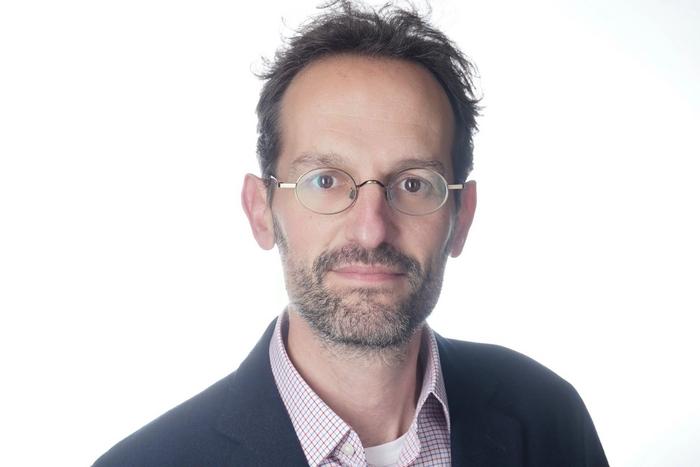
In the rapidly evolving landscape of digital healthcare, a landmark study has emerged from Tel Aviv University that evaluates the efficacy of artificial intelligence (AI) compared to human physicians in providing diagnostic and treatment recommendations. Spearheaded by professor Dan Zeltzer from the Berglas School of Economics, this study looks at the performance of AI-generated medical advice against that of experienced healthcare professionals at a virtual urgent care clinic in Los Angeles, operated in collaboration with the Israeli startup K Health. The findings of this research have been recently published in the esteemed journal Annals of Internal Medicine and were a focal point of discussion at the annual conference of the American College of Physicians.
The study’s objective was to scrutinize the recommendations made during approximately 500 patient visits characterized by common symptoms, such as respiratory issues, urinary problems, eye concerns, dental complaints, and other health challenges. The results present compelling evidence that AI, driven by advanced machine learning algorithms, can outperform traditional healthcare practices in many instances, suggesting a potential shift in the way medical diagnostics may be approached in the near future.
In the virtual clinic setting of Cedars-Sinai Connect, the AI system was integrated to assist physicians by utilizing a sophisticated intake process. This involved automated assessments via a dedicated chat function, leveraging data extracted from the patients’ medical histories. The algorithm then generated detailed diagnostics and treatment recommendations, which included suggestions for prescriptions, necessary tests, and specialized referrals based on its analytical output. Following this initial assessment, patients engaged in a video consultation with a human physician, who ultimately made the final diagnostic and treatment decision.
The study evaluated a total of 461 online clinic visits recorded over a month during the summer of 2024. All patients in the assessment possessed symptoms that are deemed relatively non-complex, which allowed researchers to create a more standardized condition for evaluation. The recommendations provided by both the algorithm and the physicians were meticulously examined by a panel of experienced clinicians. These evaluators ranked each recommendation on a standardized four-point scale comprising categories of optimal, reasonable, inadequate, or potentially harmful.
Contrasting the two sources of recommendations led to fascinating insights. AI’s recommendations received an optimal rating in 77% of the cases, while physicians scored 67% for the same parameter. Moreover, of the recommendations rated as potentially harmful, a smaller portion belonged to the AI outputs—2.8% versus 4.6% from the physicians. In numerous instances, the evaluators noted that approximately 68% aligned their scoring between AI and physician outputs, indicating a commendable level of consistency in the treatment approach, while 21% of cases found the AI to be superior in decision-making capability, as opposed to 11% in favor of physicians.
The reasons driving these significant disparities in evaluation were analyzed and highlighted key advantages of the AI system. The algorithm’s adherence to established medical guidelines was a primary factor, especially evident in scenarios where the AI refrained from prescribing antibiotics for viral infections. Additionally, the AI demonstrated an impressive capability in extracting and utilizing pertinent information from extensive medical records—particularly recurrent incidents of similar conditions that radically influence suitable treatment strategies. Furthermore, the AI’s technology displayed heightened accuracy in identifying symptoms that could indicate grave medical conditions, thereby prompting necessary action from physicians.
However, the study also reflected on the inherent strengths of human physicians. While the algorithm boasts a rigorous analytical approach, it is generally unable to incorporate the complexities of patient behavior and nuanced clinical presentations, which are crucial for context in medical evaluations. For instance, when a patient exhibiting mild shortness of breath due to COVID-19 approaches a physician, the doctor might intuitively recognize that the ailment is likely not severe, whereas the AI may categorize it as requiring immediate referral to an emergency facility—a potential overreaction rooted in strict guideline adherence.
Professor Zeltzer emphasized the relevance of their findings, underscoring how AI exhibits the potential to increase diagnostic accuracy in various contexts. However, he also pointed to a significant limitation in the study: the actual reliance of physicians on the algorithm’s recommendations remained unexamined, as is typically the case in AI deployment. What the team measured was solely the accuracy of the algorithm’s output and its comparative effectiveness against traditional medical advice. Nevertheless, capturing the real-world application was a unique feature of this study, a stark contrast to other investigations that often rely on theoretical scenarios from academic examinations or textbook cases.
The data gathered during this study contributes meaningfully to the dialogue surrounding the application of AI in medical practice, especially regarding its optional role alongside human expertise. The conditions explored were representative of about two-thirds of the clinic’s annual cases—a statistic that may indicate the realistic integration of AI in day-to-day healthcare operations. The prospect of algorithms assisting physicians to more efficiently navigate medical decisions, highlighted through their capacity to surface pertinent information and streamline choices, is a tantalizing glimpse into the future of medical diagnostics.
As healthcare systems globally grapple with growing patient demands and complexities, studies such as this raise essential inquiries about the balance between human intuition and machine accuracy. To fully harness the potential of AI in medical settings, further exploration is required regarding the integration of these advanced technologies with practitioner judgments, ensuring that the combination leads to the most effective and safe patient care. The collaborative future of AI and human physicians paints a picture of a more efficient healthcare landscape, although many questions remain about best practices in the deployment of such technologies.
The implications of this groundbreaking research stretch beyond technological advancements; they prompt critical conversations about the evolving roles of healthcare providers amidst increasing automation. The way AI systems augment human functioning, particularly in high-stakes environments like emergency care or rapid diagnostics, represents a paradigm shift in healthcare delivery that is both fascinating and fraught with challenges.
As the healthcare community continues to embrace technology, particularly through the integration of artificial intelligence, the outcome of studies like this will undoubtedly play a pivotal role in shaping future research agendas and healthcare policies. This study suggests that AI is not merely an adjunct to human practice but may soon take center stage in redefining how medical advice is dispensed, assessed, and acted upon.
To summarize, the research directed by Professor Dan Zeltzer signifies a momentous step toward understanding the interplay between AI and human expertise in medicine, ideally weaving these threads together to create an enlightened future for patient care.
—
Cite Scienmag News
Courtney Benton. (April 8, 2025). AI-Driven Diagnoses and Treatment Recommendations Outperform Physicians, Study Reveals. Scienmag. https://scienmag.com/ai-driven-diagnoses-and-treatment-recommendations-outperform-physicians-study-reveals/
Courtney Benton. "AI-Driven Diagnoses and Treatment Recommendations Outperform Physicians, Study Reveals." Scienmag, 8 April 2025, https://scienmag.com/ai-driven-diagnoses-and-treatment-recommendations-outperform-physicians-study-reveals/. Accessed 4 September 2026.
Courtney Benton. "AI-Driven Diagnoses and Treatment Recommendations Outperform Physicians, Study Reveals." Scienmag. April 8, 2025. https://scienmag.com/ai-driven-diagnoses-and-treatment-recommendations-outperform-physicians-study-reveals/


