


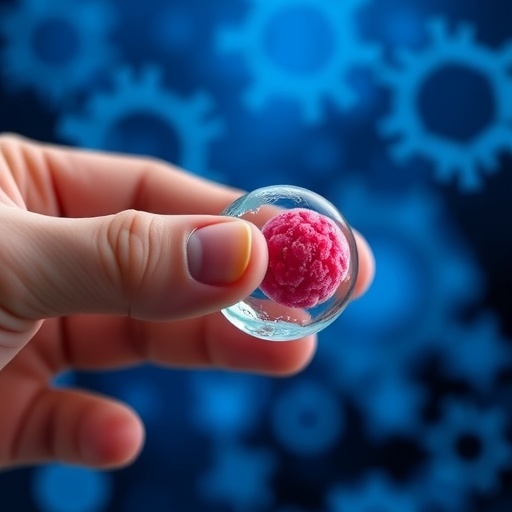
In a groundbreaking advancement in diabetes research, scientists at Sweden’s Karolinska Institutet and KTH Royal Institute of Technology have announced a refined technique for generating insulin-producing pancreatic cells from human pluripotent stem cells. This innovative procedure heralds a promising leap forward in the quest to develop effective cell replacement therapies for type 1 diabetes, a chronic autoimmune disorder characterized by the destruction of pancreatic beta cells responsible for insulin secretion.
Type 1 diabetes arises due to the immune system’s erroneous targeting and eradication of insulin-producing beta cells located in the islets of Langerhans within the pancreas. This destruction results in the body’s inability to absorb glucose properly from the bloodstream, precipitating elevated blood sugar levels and severe metabolic dysregulation. Traditionally, treatment has relied on exogenous insulin administration; however, the pursuit of regenerating or replacing lost beta cells holds the promise of more physiological and durable disease management.
Previous methodologies for deriving beta cells from pluripotent stem cells have struggled with consistency, often yielding heterogeneous populations of cells with incomplete maturation. These immature cells have exhibited diminished responsiveness to glucose stimulation, undermining their therapeutic potential. Addressing these challenges, the Swedish research teams optimized the differentiation protocol to enhance both the purity and functional maturity of derived beta-like cells.
Central to the enhanced protocol is the strategic modulation of cell culture conditions that promote the formation of three-dimensional pancreatic islet-like clusters. This approach allows cells to engage in cell-cell interactions that closely mimic the native islet microenvironment, an essential factor in beta cell development and function. By fine-tuning the culture media and temporal staging of differentiation cues, the researchers succeeded in minimizing the generation of off-target cell types, thereby producing remarkably homogenous populations of glucose-responsive insulin-secreting cells.
In vitro assays demonstrated that these stem cell-derived islets robustly secrete insulin in a glucose-dependent manner, a critical prerequisite for effective glycemic control. Such functional validation marks a significant improvement over earlier protocols where insulin release was either absent or insufficiently sensitive to glucose fluctuations. This accomplishment underscores the maturation and specialization achieved through the innovative culture methodology.
Taking a decisive experimental step forward, the team transplanted these optimized pancreatic islets into diabetic murine models. Intriguingly, the transplantation site chosen was the anterior chamber of the eye, enabling direct and minimally invasive longitudinal monitoring of the graft’s cellular development and functional integration. This novel implantation strategy allowed real-time visualization of cell engraftment, survival, and maturation processes over extended periods.
Post-transplantation observations revealed that the implanted cells progressively enhanced their glucose-sensing and insulin-secretory capacities, ultimately enabling diabetic mice to regain near-normal regulation of their blood glucose levels. These findings significantly bolster the therapeutic viability of stem cell-derived beta cells and demonstrate sustained functional capacity in vivo, underscoring their potential to effectively reverse diabetes symptoms.
The researchers emphasized that this refined technique addresses two primary obstacles previously impeding stem cell-based diabetes therapies: the admixture of undesirable cell phenotypes and the incomplete maturation of insulin-producing cells. By promoting three-dimensional cluster formation and adjusting the culture timeline, they not only enriched beta cell populations but also enhanced functional competence, mitigating complications such as tumorigenicity and immune complications.
Looking ahead, these pioneering results lay substantial groundwork for translating stem cell-derived insulin-producing cells into clinical settings. Patient-specific stem cells could be employed to generate autologous therapeutic products, thereby circumventing immune rejection and the need for lifelong immunosuppression. This advancement aligns with personalized medicine paradigms and could revolutionize diabetes management, shifting from symptomatic treatment to curative interventions.
Currently, stem cell therapies for type 1 diabetes are in their nascent clinical trial phases, grappling with similar issues of cellular heterogeneity and immaturity. The Swedish research team’s protocol offers a refined blueprint that may enhance the consistency and efficacy of future clinical products. Moreover, the use of the anterior eye chamber as a transplantation niche presents an innovative model for graft monitoring that may facilitate early-stage clinical assessments.
This research was supported by a multi-institutional collaboration and financed through prominent agencies including the Swedish Research Council, the Knut and Alice Wallenberg Foundation, and the Novo Nordisk Foundation, among others. It reflects a concerted effort combining expertise in molecular medicine, bioengineering, and clinical science to tackle one of the most challenging autoimmune conditions with cutting-edge regenerative technologies.
The full findings are detailed in Stem Cell Reports, providing comprehensive insights into the protocol modifications, cell characterization, and transplantation outcomes. This study not only advances the scientific understanding of pancreatic cell derivation but also paves the way for future investigations aiming to upscale the production process and optimize cell therapies for diabetic patients worldwide.
As the global prevalence of diabetes continues to escalate, innovations such as these hold transformative potential, promising to alleviate the immense health burden imposed by this chronic disease. The capacity to generate robust, mature insulin-producing cells from stem cells signifies a monumental stride toward curing type 1 diabetes and improving countless lives through regenerative medicine.
News Publication Date: 16-Apr-2026
Web References:
https://doi.org/10.1016/j.stemcr.2026.102892
Keywords
Type 1 diabetes, stem cells, pancreatic beta cells, insulin production, cell therapy, diabetes treatment, pluripotent stem cells, pancreatic islets, glucose responsiveness, regenerative medicine, cell transplantation, anterior chamber of the eye
Cite Scienmag News
Drew Townsend. (April 16, 2026). Advancements in Stem Cell Therapy for Type 1 Diabetes. Scienmag. https://scienmag.com/advancements-in-stem-cell-therapy-for-type-1-diabetes/
Drew Townsend. "Advancements in Stem Cell Therapy for Type 1 Diabetes." Scienmag, 16 April 2026, https://scienmag.com/advancements-in-stem-cell-therapy-for-type-1-diabetes/. Accessed 3 September 2026.
Drew Townsend. "Advancements in Stem Cell Therapy for Type 1 Diabetes." Scienmag. April 16, 2026. https://scienmag.com/advancements-in-stem-cell-therapy-for-type-1-diabetes/


