

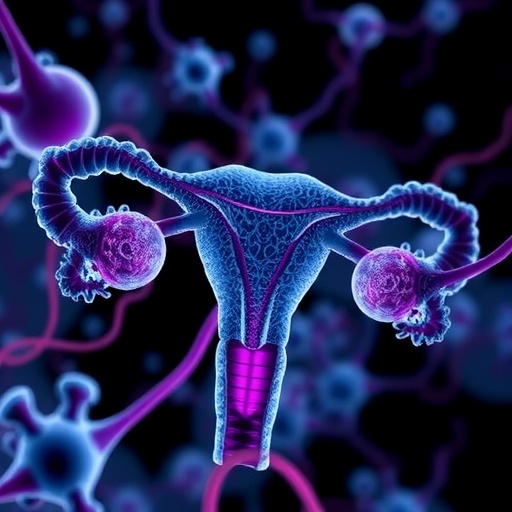
In recent years, the field of reproductive health has witnessed significant advancements driven by innovative research methodologies and groundbreaking therapeutic strategies. One of the most pressing concerns facing women today is premature ovarian insufficiency (POI), a condition that can lead to infertility and various hormonal imbalances. Recent studies, including one conducted by Shao et al., suggest that mesenchymal stem cell (MSC) therapy might hold promise as a viable treatment for this debilitating condition. This article delves into the current progress and ongoing challenges associated with MSC therapy as a potential remedy for POI, highlighting the transformative implications for reproductive health.
Premature ovarian insufficiency affects approximately one in a hundred women under the age of 40, leading to a depletion of ovarian follicles and subsequent hormonal disruptions. POI can precipitate severe psychological and physical issues, significantly impacting the quality of life. Traditional treatments have focused primarily on hormone replacement therapy; however, these interventions often fail to restore normal ovarian function and, more importantly, do not address the underlying cause of the insufficiency. Consequently, researchers have been exploring alternative therapeutic interventions, among which MSC therapy has emerged as a topic of great interest.
Mesenchymal stem cells, derived from various sources including bone marrow, adipose tissue, and umbilical cord blood, possess unique properties that enable them to differentiate into multiple cell types. Their ability to modulate immune responses and promote cellular repair positions MSCs as a promising option for treating various diseases, including those affecting reproductive health. Research conducted on animal models has demonstrated that MSC therapy can lead to the regeneration of ovarian tissue, suggesting that MSCs may have the potential to reverse the effects of POI.
One of the primary mechanisms by which MSCs exert their beneficial effects is through paracrine signaling. This process involves the release of bioactive factors that can promote tissue healing and regeneration. In the context of ovarian insufficiency, MSCs can enhance follicular development, increase angiogenesis, and facilitate hormonal balance, providing a multifaceted approach to restoring ovarian function. Moreover, the immunomodulatory properties of MSCs may help in mitigating any inflammatory response that could otherwise hinder ovarian repair processes.
The findings from Shao et al. highlight not only the potential of MSC therapy in restoring ovarian function but also the need for more extensive and rigorous clinical trials. While preclinical studies have provided a foundational understanding of how MSCs interact with ovarian tissue, translating these results into tangible clinical outcomes requires significant investment in research. Challenges such as standardization of MSC types, optimal administration routes, and patient selection must be addressed to maximize the therapeutic benefits of this approach.
Despite the promising preclinical results, the clinical application of MSC therapy for POI remains fraught with challenges. Safety issues, including the risk of tumorigenesis and immune reactions, must be meticulously evaluated in future studies. Regulatory frameworks that govern stem cell therapies must also adapt to the evolving landscape of research to ensure patient safety while fostering innovative treatment approaches. Accordingly, interdisciplinary collaboration among scientists, clinicians, and regulatory bodies is crucial in shaping the future direction of MSC therapy for reproductive health.
Furthermore, public perception and ethical considerations surrounding stem cell therapies continue to pose significant barriers. While the scientific community recognizes the potential of MSC therapy, there remains a palpable skepticism among the general public, influenced by concerns over the sourcing of stem cells and associated risks. Transparency in research protocols, emphasis on ethical sourcing, and comprehensive public education on the efficacy and safety of these therapies are vital in addressing these concerns and fostering wider acceptance.
As research progresses, it is imperative to document and share findings through peer-reviewed publications, as evidenced in the work of Shao et al. By accumulating a robust body of evidence, researchers can paint a clearer picture of the efficacy of MSC therapy for POI and identify optimal protocols for clinical application. This collective effort will not only enhance our understanding of the therapeutic potential of MSCs but also pave the way for subsequent advances in reproductive medicine.
Moreover, future studies should aim to elucidate the long-term effects of MSC therapy on ovarian function and overall reproductive health. Investigating variables such as dosage, timing of administration, and the synergistic effects of combining MSCs with other therapeutic modalities will be essential to developing comprehensive treatment plans. Through these endeavors, clinicians can tailor interventions to suit individual patient profiles, thereby maximizing efficacy and minimizing risks.
The future for women suffering from POI may very well hinge on the successful integration of MSC therapy into clinical practice. With ongoing advancements in regenerative medicine, there is hope that MSCs can not only restore ovarian function but may also revolutionize the treatment paradigm for reproductive disorders. The critical next steps involve rigorous clinical trials, collaborative research efforts, and continued commitment to patient safety, making MSC therapy a beacon of hope in the treatment of premature ovarian insufficiency.
In conclusion, the realm of mesenchymal stem cell therapy represents a frontier in ovarian health research and treatment. While the existing evidence presents an optimistic view of MSC applications for POI, a concerted approach involving scientific innovation, regulatory oversight, public education, and ethical considerations is essential for translating theoretical promise into clinical reality. Through continued dialogue, research, and advocacy, we can usher in a new era of reproductive health interventions that enhance the quality of life for women facing the challenges of premature ovarian insufficiency.
As we stand on the cusp of this exciting evolution in reproductive medicine, the work undertaken by Shao and colleagues is a testament to the potential that lies within MSC therapy. The conversation around premature ovarian insufficiency must continue, with a focus on unraveling the complexities of this condition and fostering innovative, comprehensive treatments that provide hope and healing to affected women. As we look ahead, the research community remains committed to overcoming existing challenges, ensuring that MSC therapy can indeed become a cornerstone of treatment for POI and beyond.
Subject of Research: Mesenchymal stem cell therapy for premature ovarian insufficiency
Article Title: Mesenchymal stem cell therapy for premature ovarian insufficiency: progress and challenges
Article References:
Shao, Z., Liang, L., Xue, Y. et al. Mesenchymal stem cell therapy for premature ovarian insufficiency: progress and challenges.
J Ovarian Res (2026). https://doi.org/10.1186/s13048-026-01976-4
Image Credits: AI Generated
DOI: 10.1186/s13048-026-01976-4
Keywords: Mesenchymal stem cells, premature ovarian insufficiency, therapeutic strategies, reproductive health, stem cell therapy.


