


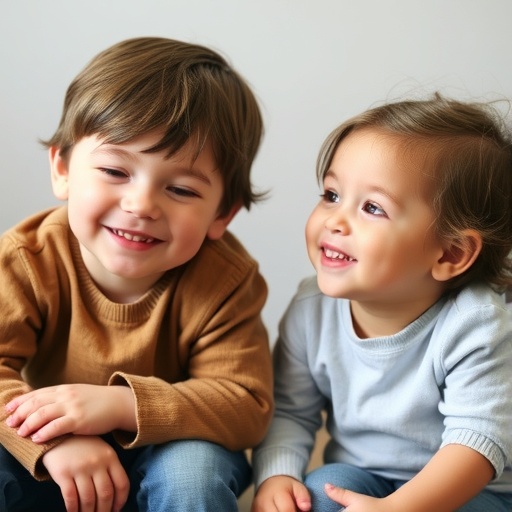
In recent years, the psychological journey of adopted children has gained significant attention from researchers and clinicians alike. A groundbreaking study, published in the Journal of Child and Family Studies, delves into the longitudinal development and emotional challenges faced by adopted children post-placement. The research highlights the multifaceted nature of emotional and behavioral problems that can arise as these children navigate their new environments.
The study, spearheaded by renowned researchers Hornfeck, Bovenschen, and Kappler, sheds light on the emotional landscape of adopted children, focusing on how various factors come into play following their transition into adoptive households. One prominent theme that emerges from their findings is the unpredictable nature of emotional responses in these children. Adoption often comes at a critical point in a child’s life, where previous experiences heavily influence their emotional responses.
Research indicates that children who are adopted may experience feelings of abandonment, loss, or identity confusion, particularly in the early stages post-placement. These emotions can lead to behavioral issues, anxiety, and in some cases, attachment disorders. Understanding these emotional responses is crucial for adoptive parents and caregivers as they begin to establish new familial bonds with their children. The researchers emphasize the importance of patience and consistency in nurturing these relationships.
One significant finding of the study involves the role of the child’s age at the time of adoption. Age is a determining factor in the emotional and behavioral outcomes observed post-placement. Younger children often exhibit a greater capacity for resilience, adjusting more easily to their new environments than older children who may have more ingrained behavioral patterns. This difference highlights the critical need for targeted support during the adjustment period for each age group.
Moreover, the background of the adopted child plays a pivotal role in their psychological adjustment. For instance, children who come from challenging environments, such as those involving neglect or abuse, may require a more intensive and tailored approach to support their emotional needs. The paper discusses various strategies that adoptive parents can employ to mitigate these challenges, ranging from therapy to open communication about their child’s past experiences.
The researchers also explored the impacts of the adoptive parents’ experiences and reactions on the child’s behavioral manifestations. Parents’ sensitivity and responsiveness can dramatically influence a child’s ability to trust and form secure attachments. The researchers propose that fostering a supportive and understanding atmosphere can significantly buffer against the developmental challenges faced by adopted children.
Another critical element examined in the study is the concept of resilience in adopted children. The findings suggest that while many adopted children face hurdles, there is also a sizable proportion that display remarkable resilience and adaptability over time. These children often thrive in supportive and nurturing environments, showcasing their ability to overcome adversities they may have faced before adoption. The researchers encourage adoptive parents to recognize and celebrate these moments of resilience.
Furthermore, the study underscores the importance of ongoing assessments of emotional and behavioral health in adopted children. Regular check-ins with mental health professionals can provide both children and parents with the tools they need to address any emerging issues and foster a healthy emotional development. Early intervention is crucial for preventing potential long-term problems.
As the study unfolds, it also looks at the role that external resources and support systems play in the adjustment process. Community support, including adoptive family networks and resources provided by child welfare agencies, can either enhance or hinder the adjustment process for adopted children. The research suggests that active engagement with these resources contributes positively to children’s adjustment trajectories.
In highlighting the importance of parent education, the researchers advocate for comprehensive training programs that equip adoptive parents with the knowledge and skills required to manage the unique challenges they may face. Programs that incorporate evidence-based strategies for emotional and behavioral management could significantly elevate the quality of care provided to adopted children.
The researchers conclude that understanding the complexities of adopted children’s emotional and behavioral challenges is vital for fostering healthier family dynamics. By emphasizing the interplay between a child’s background, their age during adoption, and the parenting approaches employed, the insights from this research offer a valuable framework for improving outcomes for adopted children.
As more families navigate the journey of adoption, such studies carry profound implications. The lessons learned from Hornfeck, Bovenschen, and Kappler’s work empower families, educators, and practitioners to support adopted children in ways that acknowledge their unique experiences and foster emotional well-being.
In summary, the research underscores the importance of a nuanced understanding of the emotional and behavioral challenges faced by adopted children. It invites parents, practitioners, and policymakers alike to engage in meaningful discussions about how best to support these children. The complexities of adoption necessitate ongoing research and dialogue, but with this knowledge, there is hope for brighter emotional futures for adopted children everywhere.
Hornfeck, F., Bovenschen, I. & Kappler, S. Longitudinal Development and Factors Affecting Emotional and Behavioral Problems in Adopted Children after Placement.
J Child Fam Stud (2026). https://doi.org/10.1007/s10826-025-03216-7
Cite Scienmag News
Courtney Benton. (January 13, 2026). Adopted Children: Emotional and Behavioral Challenges Explored. Scienmag. https://scienmag.com/adopted-children-emotional-and-behavioral-challenges-explored/
Courtney Benton. "Adopted Children: Emotional and Behavioral Challenges Explored." Scienmag, 13 January 2026, https://scienmag.com/adopted-children-emotional-and-behavioral-challenges-explored/. Accessed 3 September 2026.
Courtney Benton. "Adopted Children: Emotional and Behavioral Challenges Explored." Scienmag. January 13, 2026. https://scienmag.com/adopted-children-emotional-and-behavioral-challenges-explored/


