


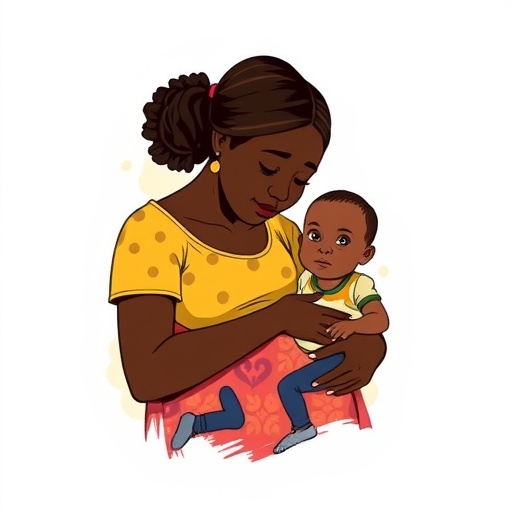
Adolescence and motherhood often inhabit disparate realms of experience—one marked by burgeoning identity and self-discovery, the other by profound responsibility and nurturing. When these trajectories collide, the emotional landscape can be fraught with complexity. A groundbreaking study from Ghana, soon to be published in the International Journal for Equity in Health, delves deep into the phenomenology of postpartum emotional distress among adolescent mothers. This research exposes a harrowing duality encapsulated in the poignant statement, “I am a mother but still a girl,” illuminating the nuanced psychological turmoil these young mothers endure.
Adolescent motherhood remains a pressing global health and social challenge, especially in low- and middle-income countries where cultural expectations, limited resources, and healthcare disparities intersect. The Ghanaian context provides a particularly revealing backdrop for this investigation, highlighting intricate socio-cultural dynamics that inflect the emotional experiences of young mothers. The study employs qualitative, phenomenological methods to capture these mothers’ lived emotional realities, offering fresh, humanized insights into the intricate interplay of youth and motherhood.
Phenomenology, as a rigorous methodological approach, prioritizes first-person narratives and the essence of lived experience, making it an invaluable lens through which to explore postpartum emotional distress. Rather than relying on reductive quantitative metrics, this study foregrounds narratives as data, enabling a rich tapestry of emotive, cognitive, and social dimensions to surface. The researchers conducted in-depth interviews with adolescent mothers across diverse Ghanaian communities, ensuring a breadth of perspectives reflective of varying socio-economic and cultural environments.
One of the central findings of the study is the pervasive tension these young mothers face between their emergent adolescence and entrenched maternal responsibilities. Many participants expressed an internalized conflict—yearning to engage in typical adolescent experiences such as education and socialization while simultaneously confronting the demands of infant care and motherhood. This dual identity creates a cognitive dissonance that amplifies emotional distress, isolating adolescent mothers from their peers and support networks.
The emotional distress reported is multifaceted, encompassing feelings of anxiety, depression, guilt, and overwhelming stress. These affective states are often exacerbated by insufficient emotional and instrumental support from family, partners, and healthcare systems. In Ghana, entrenched cultural stigmas regarding adolescent pregnancy further compound these challenges, fostering environments of judgment and exclusion rather than empathy and assistance. The study underscores how societal labeling intensifies feelings of shame and diminishes self-worth among adolescent mothers, deepening their emotional turmoil.
Furthermore, the research highlights how adolescent mothers navigate the healthcare system—often encountering barriers such as judgmental attitudes from providers, lack of adolescent-friendly services, and inadequate psychosocial support. These systemic shortcomings hinder timely identification and management of postpartum emotional distress, perpetuating cycles of suffering. The study advocates for strengthening health systems with integrated mental health services tailored to adolescent needs, emphasizing respectful, confidential, and comprehensive care.
Importantly, the phenomenological approach unveiled subtle yet critical psychosocial dynamics, including the role of identity development and social belonging. Adolescents reported a rupture in their social relationships, particularly with peers and extended family, which usually serve as buffers against stress. This erosion of social capital renders adolescent mothers vulnerable to social isolation—a key determinant of poor mental health outcomes. Consequently, restoring and sustaining supportive social environments emerge as pivotal intervention points.
The study also reflects on the impact of education discontinuity caused by adolescent pregnancy. Many young mothers find themselves compelled to abandon schooling due to childcare demands or stigma, curbing opportunities for personal development and socioeconomic mobility. This loss of educational status reinforces a cycle of marginalization and economic hardship, which in turn exacerbates emotional distress and complicates maternal adaptation. The authors call attention to policies aimed at reintegrating adolescent mothers into educational frameworks as essential to holistic care.
Intriguingly, the narratives reveal that some adolescent mothers develop remarkable resilience, drawing on intrinsic strengths and available support to reframe their experiences positively. This resilience is, however, unevenly distributed, often contingent on socio-economic status, family support, and community acceptance. Identifying and bolstering these protective factors can inform the design of targeted psychosocial interventions that nurture mental well-being while respecting cultural contexts.
From a neurobiological perspective, the postpartum period involves significant hormonal fluctuations that influence emotional regulation. In adolescent mothers, whose brains are still undergoing maturation, these biological changes intersect with ongoing psychosocial stressors, potentially heightening vulnerability to mood disorders. The study does not delve deeply into the neuroendocrine mechanisms but highlights the necessity of integrating biological and social models in understanding adolescent postpartum emotional health comprehensively.
Critically, this research calls attention to the gendered nature of postpartum distress, intensified under the conditions of adolescent motherhood. Societal expectations of femininity and motherhood can impose rigid roles that conflict with adolescent developmental needs, magnifying psychological distress. Addressing these gendered pressures through education, community engagement, and policy reform is pivotal for equitable health outcomes.
The study’s implications extend beyond clinical care to inform public health and social policy. Effective interventions must be multi-layered—encompassing mental health services, stigma reduction campaigns, educational reintegration, and socio-economic support. The integration of community health workers trained to recognize and respond to adolescent postpartum emotional distress presents a promising avenue for scalable, culturally sensitive care.
Moreover, the findings advocate for amplifying the voices of adolescent mothers themselves in programmatic and policy decision-making processes. Participatory approaches can ensure that interventions are responsive, relevant, and empowering, fostering agency among young mothers and mitigating feelings of helplessness and isolation.
This pioneering work from Ghana adds a critical dimension to the global understanding of adolescent maternal health by foregrounding the emotional and psychological dimensions often overshadowed by biomedical concerns. It underscores the urgency for health systems, policymakers, and communities to reevaluate current paradigms and adopt holistic, compassionate approaches to care tailored to the unique challenges of adolescent motherhood.
As adolescent pregnancy rates remain high in various regions globally, this study’s insights resonate internationally, challenging stakeholders to rethink how societies support their youngest mothers. The intersectionality of adolescence, motherhood, mental health, and social inequities demands multidisciplinary efforts and sustained commitment to nurture these “mothers who are still girls,” respecting their vulnerabilities while empowering their resilience.
In summation, the work of Saansong and Atta-Doku offers an emblematic case study on postpartum emotional distress through a phenomenological lens, providing a textured understanding that can inspire transformative approaches in maternal health equity. It calls on healthcare providers, researchers, and policymakers alike to embrace the complexity of adolescent maternal experiences and to craft solutions that honor their humanity as much as their health needs.
Cite Scienmag News
Courtney Benton. (October 23, 2025). Adolescent Mothers’ Postpartum Emotions in Ghana Explored. Scienmag. https://scienmag.com/adolescent-mothers-postpartum-emotions-in-ghana-explored/
Courtney Benton. "Adolescent Mothers’ Postpartum Emotions in Ghana Explored." Scienmag, 23 October 2025, https://scienmag.com/adolescent-mothers-postpartum-emotions-in-ghana-explored/. Accessed 3 September 2026.
Courtney Benton. "Adolescent Mothers’ Postpartum Emotions in Ghana Explored." Scienmag. October 23, 2025. https://scienmag.com/adolescent-mothers-postpartum-emotions-in-ghana-explored/


