


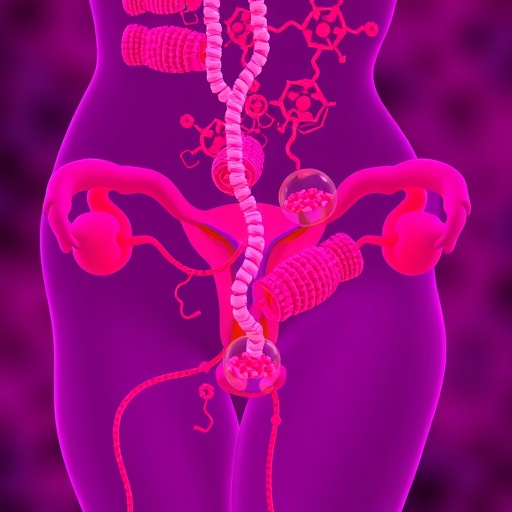
In a compelling intersection of genetics, metabolism, and oncology, a recent study explores the intricate link between adiposity and endometrial cancer (EC) through the lens of advanced genetic methods and large-scale observational data. Researchers have applied Mendelian randomization (MR), a powerful analytical approach leveraging genetic variants, along with observational analyses, to dissect how excess body fat may influence the development of EC, a cancer strongly associated with obesity. This multidisciplinary research unravels the metabolic underpinnings that potentially mediate this relationship, offering new pathways for understanding and eventually countering this prevalent gynecologic malignancy.
Endometrial cancer, the most common gynecological cancer in developed countries, has a well-established connection with obesity. However, the biological mechanisms bridging increased adiposity to this cancer’s risk remain partially understood. Fat tissue causes a cascade of metabolic and hormonal changes that might promote carcinogenesis in the endometrium. Untangling which metabolic alterations are causal, rather than merely correlative, has proven challenging. To overcome these hurdles, the research team utilized data from the UK Biobank and several consortia, combining epidemiological evidence with genetic instruments predictive of body fat distribution and metabolite concentrations.
Mendelian randomization takes advantage of naturally occurring genetic variants that affect body mass index (BMI) and waist-hip ratio (WHR), treating these as proxies to infer causal relationships with disease risk. This approach projects beyond traditional observational studies, reducing biases from confounding factors and reverse causation. In this study, female-specific genome-wide association study (GWAS) summary statistics were used for adiposity traits alongside metabolomic profiles and EC outcomes, encompassing tens to hundreds of thousands of participants, thus ensuring robust statistical power.
The findings reveal that increased BMI exerts a strong causal influence on the risk of overall endometrial cancer, including both endometrioid and non-endometrioid histological subtypes. WHR, a measure often used to capture central obesity, demonstrated weaker evidence of association with EC risk. This suggests that overall body fat, rather than fat distribution alone, plays a decisive role in driving EC susceptibility, a vital insight for future prevention strategies focused on weight management.
Delving deeper into the metabolic signatures associated with adiposity, the researchers identified 165 circulating metabolites linked to BMI levels. Among these, 25 metabolites also presented associations with EC risk, suggesting that certain biochemical pathways might mediate how obesity facilitates cancer development. Notably, lipid metabolites and their ratios emerged as putative intermediaries, especially in relation to the non-endometrioid subtype, which is often more aggressive and less hormone-dependent.
Multivariable MR analyses, designed to parse the independent effects of metabolites from that of BMI, strengthened the evidence that several lipid-related metabolites could act as mediators. Such metabolites may influence inflammatory processes, cell proliferation, or hormonal regulation within the endometrial microenvironment, all of which contribute to carcinogenesis. However, the biological complexity revealed also warns against oversimplifying the metabolic landscape; other pathways appear to intersect and modify risk.
Phenoscanner, a tool for exploring genetic variant-phenotype associations, highlighted potential confounders and alternative pathways influencing EC risk, including traits such as height and specific blood cell counts. These findings underscore the multifactorial nature of EC pathogenesis and suggest that adiposity is but one component within a broader network of genetic and metabolic factors affecting cancer risk.
The critical insight of this study is the triangulation of evidence – integrating observational data with genetic MR analyses – which provides a methodologically rigorous approach to assert causality rather than mere correlation. Such an integrative strategy opens avenues for targeted interventions, potentially through metabolic modulation or weight reduction, to reduce EC incidence, especially in high-risk populations.
Importantly, the application of female-specific genetic data accounts for sex differences in fat distribution and metabolism, enhancing the relevance of the findings to female health. Considering the distinct subtypes of EC, which have varying prognoses and molecular characteristics, allows for more nuanced risk assessment that could shape personalized medicine approaches in the future.
The research reveals numerous potential biomarkers within the metabolome associated with EC risk, expanding the possible targets for early detection and therapeutic intervention. Identifying metabolites that mediate the obesity-cancer link may also lead to novel pharmacological strategies designed to disrupt these biochemical pathways, decoupling adiposity from its carcinogenic effects.
While robust, the findings also reflect the complexity of human metabolism and cancer biology. The interplay of genetics, lifestyle, and environmental factors complicates direct causal paths, implying that risk reduction will likely require multi-pronged approaches addressing both metabolic health and genetic predisposition.
This research spotlights obesity as a modifiable risk factor for endometrial cancer, not only emphasizing the importance of maintaining healthy body weight but also encouraging further exploration into the metabolic changes that come with adiposity. The possibility that intervening in metabolic pathways could mitigate cancer risk adds a hopeful dimension to preventive oncology.
Future research is warranted to validate these results across different populations and to unravel the mechanisms through which specific metabolites influence endometrial tissue homeostasis and malignant transformation. Moreover, exploring the temporal changes in metabolites relative to cancer development could illuminate windows of opportunity for early intervention.
Ultimately, the integration of sophisticated genetic epidemiology methods with metabolomics and large-scale cohort data exemplifies a new frontier in cancer research. These findings not only enhance scientific understanding but also hold promise for informing clinical guidelines and public health policies aimed at reducing the burden of endometrial cancer through targeted metabolic and lifestyle interventions.
This study marks a significant advance in the complex narrative of obesity and cancer, illustrating how cutting-edge genetic tools alongside detailed metabolic profiling can uncover hidden causal pathways that traditional epidemiology alone might overlook. It stands as a testament to the value of interdisciplinary research in addressing one of the most pressing health challenges of the modern era.
As obesity rates continue to rise globally, studies like this emphasize the urgency of integrating genomics, metabolomics, and clinical science to craft effective cancer prevention and management strategies. The intersectional approach adopted here is likely to serve as a model for investigating other obesity-linked cancers, enhancing our arsenal against cancer’s multifaceted etiology.
In conclusion, the study reveals compelling evidence that excess adiposity causally increases the risk of endometrial cancer via complex metabolic alterations. By identifying lipid metabolites as potential mediators, alongside other genetic contributors, the research opens promising avenues for novel therapeutic targets and highlights the critical importance of metabolic health in cancer prevention.
Cite Scienmag News
Nathaniel Bowman. (October 21, 2025). Adiposity, Metabolites Linked to Endometrial Cancer. Scienmag. https://scienmag.com/adiposity-metabolites-linked-to-endometrial-cancer/
Nathaniel Bowman. "Adiposity, Metabolites Linked to Endometrial Cancer." Scienmag, 21 October 2025, https://scienmag.com/adiposity-metabolites-linked-to-endometrial-cancer/. Accessed 3 September 2026.
Nathaniel Bowman. "Adiposity, Metabolites Linked to Endometrial Cancer." Scienmag. October 21, 2025. https://scienmag.com/adiposity-metabolites-linked-to-endometrial-cancer/


