


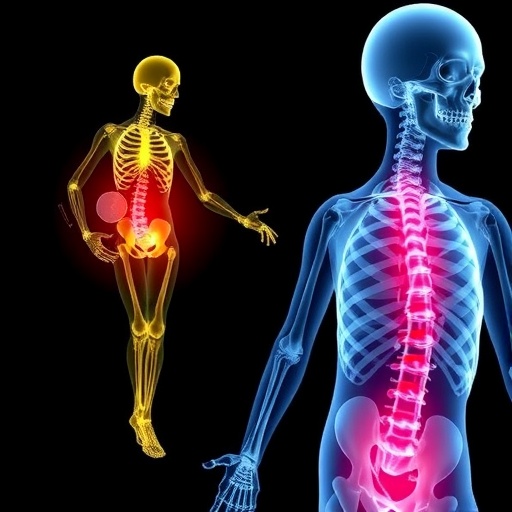
The International Osteoporosis Foundation (IOF) has unveiled a groundbreaking Position Paper that critically addresses the global barriers obstructing effective osteoporosis care and calls for an urgent transformation in fracture prevention strategies worldwide. Osteoporosis, a pervasive chronic non-communicable disease, currently affects an estimated 500 million people globally, with devastating implications for those over the age of 50. The stark reality remains that approximately one-third of women and one-fifth of men above this age threshold will endure at least one fracture related to osteoporosis during their lifetime, a statistic highlighting the widespread yet often neglected impact of this skeletal disorder.
Over the past fifty years, significant advancements have been made in understanding and treating osteoporosis. However, Professor Eugene McCloskey, Chair of the IOF Committee of Scientific Advisors, asserts that despite these scientific achievements, the majority of high-risk patients remain deprived of vital diagnosis and treatment. In regions that lack sufficient medical resources, advances in bone health management have failed to reach those most vulnerable, perpetuating a cycle of preventable fractures, increased morbidity, and economic strain on healthcare systems. This discrepancy underscores a profound equity gap in the global approach to skeletal health.
Central to the IOF’s Position Paper is the recognition that current clinical criteria and healthcare infrastructure inadequately capture the complex risk landscape of osteoporosis. Traditional diagnostic standards have predominantly relied on bone mineral density (BMD) measurements derived from dual-energy X-ray absorptiometry (DXA) scans. While BMD remains a valuable diagnostic tool, it is insufficient as a sole determinant for treatment decisions. The IOF illuminates the confusion stemming from conflating diagnostic thresholds—which identify osteoporosis—with intervention thresholds, which should guide fracture prevention treatment. This blurred distinction has hindered tailored, patient-centered care, especially for individuals lacking access to DXA technology.
The Position Paper advocates a paradigm shift: moving beyond exclusive dependence on DXA scans toward incorporating comprehensive clinical risk factors into fracture risk assessments. Such an approach entails evaluating individual absolute fracture risk through validated algorithms that integrate variables like age, previous fractures, family history, corticosteroid use, and comorbidities, with BMD data utilized where accessible. Recognizing “high fracture risk” as a legitimate treatment and reimbursement criterion, irrespective of BMD status, represents a pivotal step toward equitable osteoporosis management and could vastly improve patient outcomes in underserved populations.
Importantly, the IOF emphasizes that DXA should remain accessible for diagnostic refinement, treatment stratification, longitudinal monitoring, and the identification of asymptomatic vertebral fractures, which are often overlooked yet carry significant prognostic weight. Nonetheless, the restriction of treatment eligibility solely to densitometric definitions perpetuates inequities, particularly in low- and middle-income countries where DXA availability is scarce. Decoupling intervention decisions from DXA dependency can catalyze more inclusive and effective fracture prevention efforts at a global scale.
The Position Paper also critiques the extension of the conceptual definition of osteoporosis—based on bone microarchitectural deterioration and reduced bone quality—as operationally limited if implemented clinically without robust empirical validation. While this theoretical framework deepens pathophysiological understanding, it lacks practical utility in guiding large-scale public health interventions. Therefore, clinical practice lies in balancing theoretical insights with evidence-based, actionable criteria that align with real-world resource availability and health system capabilities.
Implementation of the proposed fracture risk-based model necessitates systemic healthcare reform, particularly in reimbursement policies. The formal acknowledgment of a “high fracture risk syndrome” could streamline insurance coverage and incentivize healthcare providers to adopt contemporary risk assessment methodologies. Moreover, the occurrence of fragility fractures must remain a non-negotiable trigger for evaluating antiosteoporosis treatment, reinforcing the preventive ethos in clinical guidelines and health system protocols worldwide.
With over 85 national and international organizations endorsing the Position Paper, the IOF’s unified stance reflects a consensus that osteoporosis care requires urgent advocacy, policy innovation, and public health commitment. This momentum aims to address disparities in diagnosis and care through scalable fracture liaison services, awareness campaigns, and the dissemination of tailored clinical guidelines that prioritize risk stratification over rigid diagnostic categories.
Professor Nicholas Harvey, IOF President, and Director of the MRC Lifecourse Epidemiology Centre, underscores the pressing nature of this global health challenge. He calls for synchronized efforts among global health stakeholders, national authorities, and reimbursement bodies to revamp fracture prevention strategies based on contemporary evidence. The future of osteoporosis management hinges not only on scientific breakthroughs but equally on political will and equitable healthcare delivery systems.
In summary, the IOF’s Position Paper represents a clarion call to realign osteoporosis care with modern risk assessment paradigms, ensuring that millions at high fracture risk receive timely and effective treatment regardless of geographical or economic constraints. By embracing individual fracture risk profiles as the cornerstone of intervention, health systems can better allocate resources, reduce fracture incidence, and ultimately alleviate the enormous human and financial toll inflicted by this silent disease. The path forward demands innovation, inclusivity, and sustained global collaboration to translate decades of research into accessible, life-saving clinical practice.
Cite Scienmag News
Courtney Benton. (September 9, 2025). Addressing Global Osteoporosis Undertreatment: IOF Position Paper Highlights Barriers and Solutions. Scienmag. https://scienmag.com/addressing-global-osteoporosis-undertreatment-iof-position-paper-highlights-barriers-and-solutions/
Courtney Benton. "Addressing Global Osteoporosis Undertreatment: IOF Position Paper Highlights Barriers and Solutions." Scienmag, 9 September 2025, https://scienmag.com/addressing-global-osteoporosis-undertreatment-iof-position-paper-highlights-barriers-and-solutions/. Accessed 3 September 2026.
Courtney Benton. "Addressing Global Osteoporosis Undertreatment: IOF Position Paper Highlights Barriers and Solutions." Scienmag. September 9, 2025. https://scienmag.com/addressing-global-osteoporosis-undertreatment-iof-position-paper-highlights-barriers-and-solutions/


