


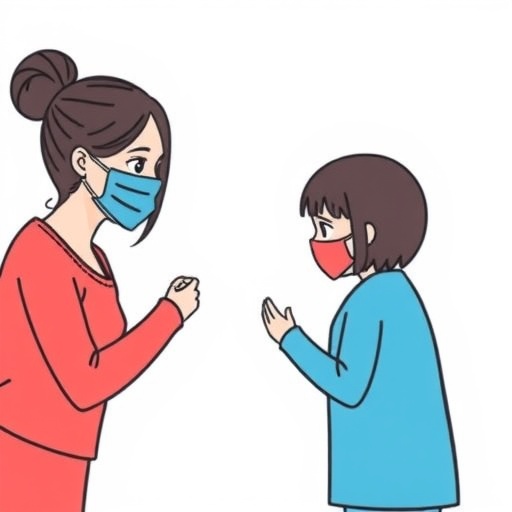
The COVID-19 pandemic has impacted nearly every aspect of daily life, and one of the most affected areas has been parenting. Recent research outlined in a burgeoning study sheds light on a novel approach termed the “Parenting in a Pandemic” response strategy. This strategy aims to address the emotional consequences parents and children face during turbulent times, particularly during the pandemic. The research primarily focuses on how parenting dynamics changed as families were placed under unprecedented pressure.
The study, conducted by a team of experts including M.R. Sanders, K.M. Turner, and V.E. Cobham, offers insights from developers and purveyors involved in implementing this response strategy. Their work emphasizes the need for tailored interventions that consider the emotional well-being of families. The pandemic has not only heightened stress levels but has also complicated the already challenging role of parenting, creating an urgent need for evidence-based strategies that can resonate with families in crisis.
At the core of the study is the understanding that emotional distress among parents can significantly impact their children. The researchers outline how feelings of anxiety and isolation often lead to maladaptive parenting behaviors, which can, in turn, create a cycle of emotional challenges for children. Recognizing this, the “Parenting in a Pandemic” strategy is designed to bolster emotional resilience in families, facilitating healthier interactions and coping mechanisms amongst parents and children alike.
The pedagogical elements of the intervention are particularly interesting. The study proposes various online resources, including interactive workshops, instructional videos, and virtual support groups, all aiming to equip parents with the skills they need to navigate the emotional landscape of parenting during an ongoing crisis. By leveraging digital platforms, families can access support flexibly, a crucial aspect considering the restrictions on physical gatherings throughout the pandemic.
The research underscores the importance of understanding parental mental health, emphasizing that it is a foundational element of child development. When parents lack the emotional resources to cope with stress and uncertainty, this can lead to increased incidences of behavioral issues in children. Thus, the “Parenting in a Pandemic” response strategy not only serves to support parents but ultimately aims to safeguard the mental health of future generations as well.
The findings highlight the role of community support in enhancing the efficacy of the intervention. The researchers found that the peer support networks formed during this time played a pivotal role in mitigating feelings of isolation. As parents shared their experiences and strategies, they began to foster a sense of community that counteracted some of the loneliness exacerbated by lockdown measures. This community-based approach is essential in building sustained emotional resilience over time.
Systematic evaluations of the program indicate positive outcomes. Families who participated in the intervention reported higher levels of emotional connection and communication. The importance of maintaining positive familial relationships cannot be overstated, particularly in crisis situations where external support may be lacking. When parents feel better equipped to manage their emotional health, they can nurture a more supportive environment for their children.
In addition to the qualitative experiences shared by families, the quantitative data gathered has also been revealing. Metrics assessing emotional well-being and parent-child interactions demonstrated improvement among participants. The research team’s commitment to monitoring these outcomes speaks to the credibility and scientific rigor underpinning the “Parenting in a Pandemic” strategy.
The initiative highlights a broader need for developmental strategies that are adaptable in the face of unforeseen challenges. The lessons learned from parenting styles adopted during the pandemic may inform best practices even in post-pandemic scenarios. Future research will be necessary to explore how these strategies can be integrated into ongoing support systems for families, especially in high-stress environments.
Further extending these ideas, the study discusses potential implications for policy-making. Given the prevalence of mental health issues exacerbated by the pandemic, there is a pressing need for frameworks that incorporate psychological support into the fabric of parental education and resources. Governments and organizations alike can take cues from this research in formulating policies designed to enhance family well-being in times of crisis.
The roadmap for the future is evident. As additional studies emerge, the hope is that practitioners will draw from the wealth of knowledge encapsulated in initiatives like the “Parenting in a Pandemic” strategy. The goal is to foster environments that are conducive to healing, both for parents and their children, in a world that continues to grapple with the aftereffects of a global health crisis.
In conclusion, the “Parenting in a Pandemic” research not only showcases the impact of trauma on family dynamics but also offers valuable insights into resilience and recovery. By emphasizing mental health, community support, and adaptable strategies, the study paves the way for a brighter future for families navigating life’s unpredictabilities—teaching all of us that, even in dark times, there is hope and support available.
Sanders, M.R., Turner, K.M., Cobham, V.E. et al. The Parenting in a Pandemic Response Strategy to Address the Emotional Consequences of COVID-19: Developer and Purveyor Perspectives.
J Child Fam Stud (2025). https://doi.org/10.1007/s10826-025-03237-2
Cite Scienmag News
Courtney Benton. (December 18, 2025). Addressing COVID-19’s Emotional Toll on Parenting. Scienmag. https://scienmag.com/addressing-covid-19s-emotional-toll-on-parenting/
Courtney Benton. "Addressing COVID-19’s Emotional Toll on Parenting." Scienmag, 18 December 2025, https://scienmag.com/addressing-covid-19s-emotional-toll-on-parenting/. Accessed 3 September 2026.
Courtney Benton. "Addressing COVID-19’s Emotional Toll on Parenting." Scienmag. December 18, 2025. https://scienmag.com/addressing-covid-19s-emotional-toll-on-parenting/


