


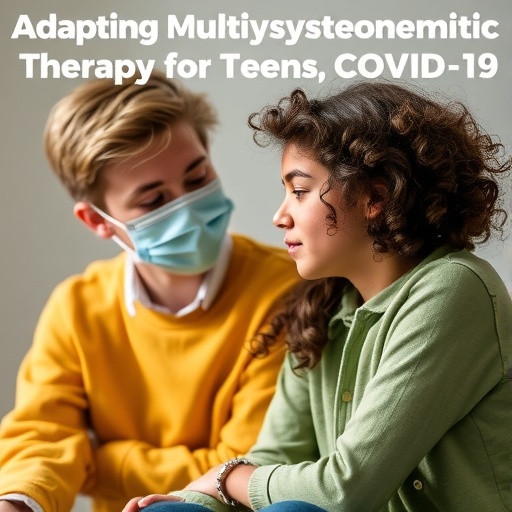
In the landscape of mental health treatment, particularly for adolescents, the COVID-19 pandemic has presented unique challenges and opportunities for innovation. In Norway, researchers have employed Multisystemic Therapy (MST), a comprehensive approach that involves various systems – family, peers, schools, and communities – to provide therapy tailored to adolescents. This approach has proven especially crucial during the pandemic, as traditional modalities faced disruptions. The MST framework has demonstrated resilience, adapting to the constraints and nuances of virtual interactions.
As the pandemic forced both clinicians and clients to transition to remote engagement, MST provided a structured format that could seamlessly convert to virtual settings. Therapists utilized digital platforms to maintain continuity in care, ensuring that adolescents still received essential therapeutic support. This adaptability was vital, given that many adolescents experience increased anxiety and mental health challenges during prolonged periods of uncertainty. Virtual therapy sessions allowed therapists to be present in the lives of their clients, even when physical sessions were not possible.
The efficacy of MST lies in its ability to consider the broader social and familial contexts of the adolescent. For many young people, familial support is a critical component in overcoming mental health struggles. The MST model emphasizes family engagement, which became increasingly crucial during isolation. Parents, who might previously have felt overwhelmed by their responsibilities or disconnected from their children’s struggles, found new ways to engage and learn alongside their adolescents. This shift not only fostered therapeutic relationships but also reinforced family bonds.
Moreover, MST’s flexibility allowed it to incorporate various therapeutic techniques that can be employed during digital sessions. Techniques from cognitive-behavioral therapy, art therapy, and even mindfulness practices found their way into MST sessions, enriching the therapeutic experience for adolescents. As therapists adapted their skill sets to utilize online tools effectively, students learned to navigate their mental health needs through a blend of traditional therapy and creative expression. This blending of methodologies provided a holistic approach, allowing adolescents to express themselves in various ways, tailored to their comfort and creative preferences.
Throughout the pandemic, the stability offered by MST has been remarkable. By keeping therapy consistent, adolescents could better manage their mental health despite the chaos surrounding them. For those struggling with behavioral issues, MST provided an avenue to discuss their experiences and emotional states, guiding them toward a path of understanding and coping. The engagement model not only targeted the youths’ behavior but also helped in crafting adaptive strategies to deal with anxiety and social withdrawal exacerbated by the pandemic.
Another significant aspect of MST during the pandemic was the emphasis on community resources. Restrictions limited physical interaction, but therapists redirected attention to virtual community support systems. By connecting adolescents to online groups, resource hubs, and educational platforms, MST leveraged technology to facilitate social support networks. The integrated approach helped reduce feelings of isolation that were prevalent among adolescents during lockdowns. By creating a sense of community, therapists instilled hope and resilience in their clients.
As researchers continue to evaluate the impacts of MST during this unprecedented time, preliminary findings suggest positive trends in therapeutic outcomes. The combination of adaptability, multi-faceted engagement, and technological integration has resulted in reports of improved mental health among adolescents enrolled in the program. Families have also reported feeling more equipped to manage challenges related to their children’s behavior and mental health needs.
The collaborative nature of MST not only fosters resilience in adolescents but also empowers families to become active participants in their therapeutic journeys. Parents were given the tools and techniques to help better understand their children’s experiences, creating a more supportive home environment. This family-centered focus allows adolescents to feel validated, seen, and respected in their struggles, which is crucial to nurturing lasting change and development.
In conclusion, the application of Multisystemic Therapy in Norway during the COVID-19 pandemic demonstrates an inspiring blend of adaptation, innovation, and commitment to supporting adolescent mental health. As the world begins to emerge from the pandemic, the lessons learned from implementing MST may pave the way for future strategies in addressing mental health challenges, particularly those affecting young people. The resilience shown by both therapists and families suggests a renewed commitment to the collaborative care model, which holds promise for enhanced outcomes in the years to come.
As mental health continues to be an emerging priority, the experiences garnered from the application of MST during this significant period are invaluable. Moving forward, researchers and clinicians must harness these insights to further strengthen therapeutic practices and ensure that the mental health needs of adolescents are met, regardless of external challenges.
Skulberg, K., Tan, T.C.A., Thøgersen, D.M. et al. Multisystemic Therapy for Adolescents Through the COVID-19 Pandemic in Norway.
J Child Fam Stud (2025). https://doi.org/10.1007/s10826-025-03222-9
Cite Scienmag News
Glenn Wilkins. (December 13, 2025). Adapting Multisystemic Therapy for Teens During COVID-19. Scienmag. https://scienmag.com/adapting-multisystemic-therapy-for-teens-during-covid-19/
Glenn Wilkins. "Adapting Multisystemic Therapy for Teens During COVID-19." Scienmag, 13 December 2025, https://scienmag.com/adapting-multisystemic-therapy-for-teens-during-covid-19/. Accessed 3 September 2026.
Glenn Wilkins. "Adapting Multisystemic Therapy for Teens During COVID-19." Scienmag. December 13, 2025. https://scienmag.com/adapting-multisystemic-therapy-for-teens-during-covid-19/


