


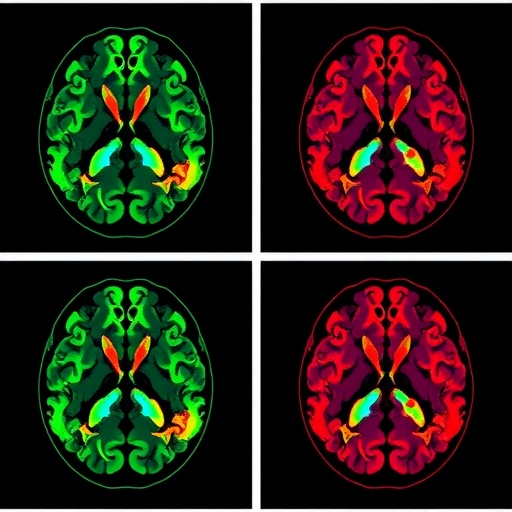
A subtle failure in the brain’s blood-flow control system may provide one of the earliest measurable warning signs of psychosis susceptibility in people with 22q11.2 deletion syndrome, according to a new study published in Translational Psychiatry. The research, led by F. Delavari, S. Moia, S. Forrer and colleagues, identifies abnormal cerebrovascular reactivity as a potential biomarker that could reveal vulnerability to psychosis before severe psychiatric symptoms emerge. The finding places the brain’s vascular machinery at the center of a growing effort to understand why some people carrying the genetic deletion develop psychotic disorders while others do not.
Cerebrovascular reactivity, or CVR, describes the ability of blood vessels in the brain to widen or constrict in response to changing physiological demands. When neural tissue becomes active, it requires additional oxygen and glucose, and local blood vessels normally adjust blood flow to meet that demand. This process is closely linked to neurovascular coupling, the biological partnership between neurons, supporting glial cells and the vascular system. If that response is delayed, weakened or abnormally distributed, brain regions may receive an imperfect match between energy demand and blood supply. Such disturbances do not automatically cause psychosis, but they may influence the efficiency and stability of neural circuits involved in perception, cognition and emotional regulation.
The study focuses on 22q11.2 deletion syndrome, a genetic condition caused by the loss of a small segment of chromosome 22. The deleted region contains multiple genes involved in development and cellular function, and the syndrome can affect the heart, immune system, calcium regulation, learning and behavior. It is also one of the strongest known genetic risk factors for psychotic illness. A significant minority of people with 22q11.2DS develop schizophrenia or related disorders during adolescence or adulthood, yet genetic risk alone cannot predict who will become ill. That uncertainty has made the syndrome an important model for identifying biological changes that appear before psychosis and might distinguish higher-risk individuals from those who remain unaffected.
The new report suggests that cerebrovascular reactivity may be one such early signal. Rather than treating psychosis solely as a disorder of neurotransmitters or neuronal activity, the findings support a broader view in which the brain’s circulation is part of the disease biology. Blood vessels do more than deliver oxygen: they help regulate the chemical environment surrounding neurons, remove metabolic waste and support the timing of communication across distributed networks. Abnormal vascular responses could therefore alter how brain circuits function, particularly under conditions that require rapid adaptation. In people already carrying a heightened genetic vulnerability, even modest disruptions in this system might contribute to the gradual development of symptoms.
Researchers studying CVR commonly examine how cerebral blood flow changes when the concentration of carbon dioxide in the blood is temporarily altered. Carbon dioxide is a powerful regulator of vessel diameter: increased levels generally cause cerebral arteries and arterioles to dilate, producing a measurable rise in blood flow. Brain-imaging techniques such as functional magnetic resonance imaging can track changes in blood-oxygenation signals, while other approaches can estimate blood-flow velocity or perfusion more directly. The resulting response provides an indication of vascular reserve, meaning the capacity of the brain’s blood vessels to respond when demand changes. The reported work identifies an aberrant response in individuals with 22q11.2DS and presents it as an early biomarker of susceptibility, although the citation alone does not specify the study’s sample size, imaging protocol or the exact pattern of vascular abnormality.
The importance of an early biomarker is practical as well as scientific. Psychosis often develops through a period of subtle changes in attention, social behavior, sleep, motivation and perception. By the time unmistakable symptoms appear, the underlying biology may have been evolving for years. A reliable physiological indicator could help clinicians monitor risk more objectively, complementing interviews, family history and behavioral assessments. It could also help researchers test whether interventions aimed at sleep, cardiovascular health, stress regulation or neural function influence biological vulnerability before a first psychotic episode. However, a biomarker must be carefully validated. An unusual CVR measurement would not mean that a person is destined to develop schizophrenia, and it should never be used in isolation to make a diagnosis or determine treatment.
The result also raises questions about how genetic variation, brain development and vascular physiology interact. The 22q11.2 region includes genes that may affect pathways relevant to blood-vessel formation, mitochondrial energy production, calcium signaling and the communication between vascular cells and neurons. During adolescence, the brain undergoes extensive remodeling, while hormonal, metabolic and environmental pressures change rapidly. These transitions could expose weaknesses in systems that previously compensated successfully. Aberrant CVR might therefore represent not a single cause of psychosis, but one visible consequence of several interacting processes. Future studies will need to determine whether vascular changes precede cognitive or psychiatric symptoms, whether they evolve over time, and how they relate to established markers such as dopamine signaling, inflammation and altered brain connectivity.
The findings may ultimately push psychosis research toward a more integrated biological framework. Neurons, blood vessels, immune cells and metabolic systems operate as a tightly connected network, and disruption in one component can influence the others. A vascular biomarker could become especially valuable if it predicts individual trajectories across repeated measurements rather than merely separating a group of patients from healthy volunteers. Researchers will also need to test whether the same CVR pattern appears in people without 22q11.2DS who are at elevated risk of psychosis, and whether it is specific to psychotic disorders or also occurs in epilepsy, anxiety, depression, neurodevelopmental conditions or cardiovascular disease. Those comparisons will determine how precise and clinically useful the signal can become.
For now, the study offers a striking shift in perspective: the earliest measurable clues to psychosis susceptibility may be detectable not only in electrical activity or brain structure, but also in the way cerebral blood vessels respond to physiological challenge. In 22q11.2 deletion syndrome, where genetic risk is unusually clear but individual outcomes remain unpredictable, cerebrovascular reactivity could provide a new window into the transition from vulnerability to illness. The next challenge is to move from an intriguing group-level observation to a tested, ethically responsible tool—one that improves early support without turning risk into destiny.
Cite Scienmag News
Glenn Wilkins. (August 15, 2026). Abnormal cerebrovascular reactivity may signal early psychosis risk in 22q11.2 deletion syndrome. Scienmag. https://scienmag.com/abnormal-cerebrovascular-reactivity-may-signal-early-psychosis-risk-in-22q11-2-deletion-syndrome/
Glenn Wilkins. "Abnormal cerebrovascular reactivity may signal early psychosis risk in 22q11.2 deletion syndrome." Scienmag, 15 August 2026, https://scienmag.com/abnormal-cerebrovascular-reactivity-may-signal-early-psychosis-risk-in-22q11-2-deletion-syndrome/. Accessed 4 September 2026.
Glenn Wilkins. "Abnormal cerebrovascular reactivity may signal early psychosis risk in 22q11.2 deletion syndrome." Scienmag. August 15, 2026. https://scienmag.com/abnormal-cerebrovascular-reactivity-may-signal-early-psychosis-risk-in-22q11-2-deletion-syndrome/


