


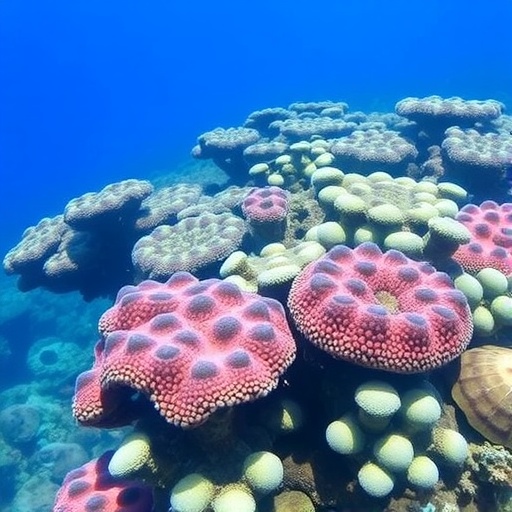
In an extraordinary demonstration of nature’s resilience, the cessation of human activity during the COVID-19 pandemic sparked a rapid and remarkable recovery in the coral reef ecosystem of Hawaiʻi’s iconic Hanauma Bay Nature Preserve. This renowned snorkeling destination, historically burdened by nearly a million visitors annually, experienced an unintended yet profound “anthropause” during the 2020 pandemic closures. Researchers from the Hawaiʻi Institute of Marine Biology (HIMB) harnessed this unique natural experiment to assess the direct impacts of human presence on the bay’s marine environment, publishing their compelling findings in the journal npj Ocean Sustainability.
The research team, led by Dr. Elizabeth Main and Project Manager Aviv Suan, capitalized on the enforced seven-month closure of the bay. This pause created an unprecedented window to collect comprehensive data on various ecosystem health indicators, including water clarity, endangered Hawaiian monk seal sightings, fish population densities, and behavioral patterns. By comparing datasets collected before, during, and after the closure, scientists were able to isolate the influence of human activities on this fragile marine ecosystem with unmatched precision.
One of the most striking changes during the anthropause was a significant improvement in water quality. The absence of everyday disturbances such as snorkelers stirring up sediment, boat traffic, and pollution runoff led to visibly clearer waters. This increase in water transparency is not just an aesthetic improvement but signifies healthier reef conditions that are crucial to photosynthetic organisms like zooxanthellae algae, which sustain coral health through symbiotic relationships. Improved light penetration can accelerate photosynthesis rates, ultimately supporting coral growth and resilience.
Alongside water quality improvements, the research documented a notable surge in the presence of Hawaiian monk seals, a species classified as endangered and culturally significant to Hawaiʻi. These elusive marine mammals, typically wary of human presence, were observed more frequently and behaved more naturally during the closure period. Increased sightings of monk seals not only underscore the benefits of reduced human pressure but also provide valuable data about their population dynamics and habitat utilization under less disturbed conditions.
Fish populations, particularly herbivorous species like parrotfish, exhibited marked increases both in numbers and activity levels. The parrotfish play an essential ecological role by grazing on algae that can otherwise overgrow and suffocate corals, helping maintain reef health and balance. The elevated grazing activity during the absence of tourists highlights how human presence may inhibit essential ecological processes, whether through direct disturbance or indirect effects like noise pollution and habitat alteration.
The behavioral data collected further reveal that fish were more active and showed less stress-related avoidance behavior when the bay was closed. This suggests that everyday human interactions—including noise, physical presence, and water pollution—can significantly alter fish behavior in ways that may compromise their ecological functions. Such behavioral shifts can cascade through the ecosystem, ultimately affecting reef resilience and productivity.
Significantly, these rapid ecological responses underscore the sensitivity and dynamic nature of coral reef systems. Coral reefs have long been regarded as delicate environments vulnerable to stressors such as climate change and pollution. However, this study demonstrates a capacity for swift recovery when direct human pressures are eased. This resilience highlights the potential for targeted management strategies to facilitate restoration in heavily impacted reefs worldwide.
The findings also carry profound implications for sustainable tourism and reef conservation globally. Hanauma Bay’s case serves as a real-world example of how regulating tourist numbers and managing human activities can reduce ecological damage without sacrificing economic benefits. The researchers emphasize that reef tourism, which generates billions annually, need not be at odds with conservation goals. Instead, carefully planned visitor management could sustain both vibrant ecosystems and thriving tourism economies.
University of Hawaiʻi researchers advocate for the implementation of visitor caps and enhanced regulatory frameworks, particularly for reefs currently lacking effective management. By controlling crowding and minimizing disturbances, these protective measures could restore critical ecological functions that support reef biodiversity and resilience. Furthermore, evidence suggests that tourists are increasingly willing to pay for high-quality, environmentally responsible experiences, incentivizing sustainable tourism models.
This research offers valuable insights for marine managers and policy makers worldwide, providing an evidence-based roadmap for reconciling human recreation with ecosystem health. It calls for integrating scientific monitoring, community engagement, and adaptive management to safeguard coral reef ecosystems amid growing environmental pressures and widespread biodiversity loss.
Importantly, the study was conducted using rigorous observational methodologies. The research team employed advanced technologies and systematic monitoring to assess biophysical changes over time, ensuring robust data quality and enabling detailed ecological assessments. Such an approach underscores the critical value of long-term, high-resolution monitoring in understanding ecosystem dynamics and informing conservation action.
In conclusion, the anthropause induced by the COVID-19 pandemic served as a powerful natural experiment revealing the fragile balance between human activity and coral reef health. Hanauma Bay’s rebound illustrates coral reef ecosystems’ remarkable capacity for rapid recovery when stressors are alleviated. It provides a hopeful perspective that, through informed management and sustainable practices, it is possible to harmonize human use and ecological integrity, securing these treasured ecosystems for future generations.
News Publication Date: 14-Aug-2025
Web References: 10.1038/s44183-025-00144-3
Cite Scienmag News
Margaret Porter. (September 2, 2025). Reefs Thrive at Hanauma Bay After Crowds Disperse: A Closer Look. Scienmag. https://scienmag.com/reefs-thrive-at-hanauma-bay-after-crowds-disperse-a-closer-look/
Margaret Porter. "Reefs Thrive at Hanauma Bay After Crowds Disperse: A Closer Look." Scienmag, 2 September 2025, https://scienmag.com/reefs-thrive-at-hanauma-bay-after-crowds-disperse-a-closer-look/. Accessed 6 September 2026.
Margaret Porter. "Reefs Thrive at Hanauma Bay After Crowds Disperse: A Closer Look." Scienmag. September 2, 2025. https://scienmag.com/reefs-thrive-at-hanauma-bay-after-crowds-disperse-a-closer-look/


