


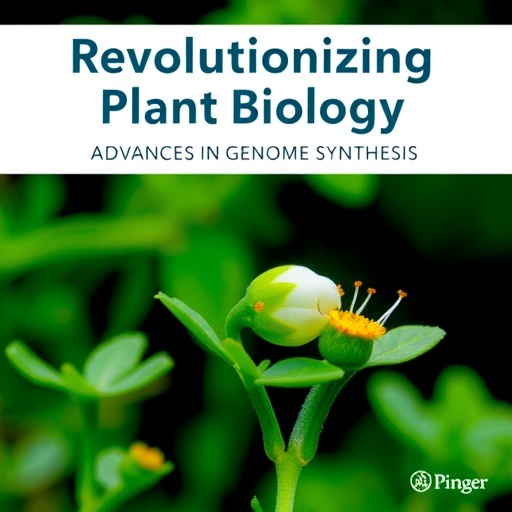
With the rapid advancements in genome sequencing and editing technologies, the landscape of genomics is shifting dramatically. The ability to redesign, synthesize, and introduce entire genomes into living cells represents one of the most significant breakthroughs in synthetic biology. This capacity not only broadens our understanding of genomic functions but also opens the door to myriad applications in synthetic biology and bioengineering. From enhancing crop resilience to engineering microbial factories for bioproduction, the implications of genome synthesis are far-reaching.
Synthetic genomics has primarily focused on simple unicellular organisms such as bacteria and yeast. These organisms lend themselves well to experimental manipulation due to their uncomplicated genetic structures and relatively smaller genomes. However, the scientific community has recently turned its sights toward multicellular organisms, particularly plants and animals. Among these, plants show promise due to unique characteristics that make them attractive candidates for genome synthesis efforts. The fewer ethical concerns associated with altering plant genomes and the simpler protocols for regeneration from cells to whole organisms contribute to this attractiveness.
When we delve into the technical details, the methodologies for plant genome synthesis are becoming increasingly sophisticated. One prominent strategy involves CRISPR-based techniques that allow for precise genome editing and modification. This system makes use of guide RNA and Cas9 protein to target specific genomic regions. By employing these cutting-edge techniques, researchers can manipulate genes responsible for critical traits, such as drought resistance or increased nutritional value, substantially contributing to food security.
Another essential aspect of plant genome synthesis involves the assembly of large DNA fragments. Researchers have developed various methods for gene synthesis and assembly, such as the use of yeast as a cloning host. In this approach, long DNA sequences can be pieced together with remarkable efficiency. Furthermore, synthetic biology tools like modular DNA assembly methods enable researchers to construct complex genetic circuits that can interact with plant cellular machinery in desired ways. This progress has resulted in the establishment of intricate regulatory networks within plants that can respond to environmental changes, thus representing significant advancements in plant biotechnology.
Despite these advancements, the integration of synthetic genomes into plant cells still faces challenges. The process of transformation—introducing synthetic constructs into plant cells—requires intricate procedures, as plant cells possess rigid cell walls that can complicate uptake. Techniques such as Agrobacterium-mediated transformation and biolistic methods (gene guns) have been widely used, but researchers continue to seek more efficient and less invasive alternatives. This need highlights the importance of ongoing research aimed at refining transformation methodologies for enhanced efficacy.
In addition to the technical hurdles, there are also ecological concerns linked to synthetic genome research. The potential for engineered traits to transfer to wild relatives, resulting in unforeseen ecological impacts, necessitates a cautious approach to genome synthesis. Scientists are keen to understand the long-term implications of introducing modified genomes into natural ecosystems, prompting a dialogue on environmental safety and ethical practices in genomic research.
Researchers are also tackling the challenge of regulatory frameworks surrounding genome-edited plants. As legislation keeps evolving to address the complexities of genetic modifications, scientists advocate for clear guidelines that facilitate innovation while safeguarding environmental and public interests. These frameworks could pave the way for broader acceptance of synthetic genomics in agriculture and horticulture, enabling the commercial release of engineered crops that can tackle significant challenges like climate change.
A significant advantage of genome synthesis in plants lies in their potential for rapid evolution and selective breeding. Unlike traditional breeding practices that can take years to yield new cultivars, synthetic genomics offers the chance to accelerate this process dramatically. By directly engineering traits within plant genomes, researchers can expedite the development of new varieties tailored for specific climates, diseases, and pest pressures—a vital step toward meeting global food demands.
Moreover, advances in synthetic gene networks allow researchers to create plants with sophisticated phenotypic traits, enabling new forms of plant resilience and adaptation. For instance, through the precise coordination of multiple genes, scientists can engineer plants that maintain high photosynthetic efficiency under suboptimal environmental conditions. As these technologies evolve, such characteristics could revolutionize agriculture, particularly in regions prone to climate variability.
The implications of genome synthesis extend beyond agricultural applications; they touch upon the broader realms of bioengineering and biotechnology. With engineered plants acting as living biofactories, future developments may allow for the production of pharmaceuticals, biofuels, and bioplastics from renewable plant sources. By harnessing the natural biochemical pathways within plant cells, it may be possible to create efficient systems that convert sunlight and carbon into sustainable bioproducts.
Researchers are also exploring the potential of synthetic genomics in ecological restoration efforts. By engineering plants with traits that enhance soil quality, resist invasive species, or support local biodiversity, synthetic genomics could play a pivotal role in restoring degraded ecosystems. These applications highlight the interdisciplinary nature of synthetic biology, combining principles from ecology, genetics, and environmental science.
As scientific understanding advances, the future of synthetic genomics in plants holds extraordinary promise. Expanding the horizons of what is possible through genomic design opens exciting opportunities for innovation. Ongoing research aims to streamline the synthesis processes, improve the stability of synthetic constructs, and ultimately lead to sustainable practices that harmonize with natural systems while benefitting human needs.
In conclusion, the emerging field of genome synthesis in plants is a testament to human ingenuity and the potential that lies within our ability to manipulate life at the genomic level. As researchers continue to uncover the intricacies of plant genomes and enhance our capacity for engineering these organisms, the implications for society, agriculture, and environmental stewardship will be profound, offering a glimpse into a future where technology and nature work in tandem.
Lan, T., Chen, LG., Wang, Y. et al. Genome synthesis in plants.
Nat Rev Bioeng (2025). https://doi.org/10.1038/s44222-025-00326-1
Cite Scienmag News
Juliet Wilcox. (August 27, 2025). Revolutionizing Plant Biology: Advances in Genome Synthesis. Scienmag. https://scienmag.com/revolutionizing-plant-biology-advances-in-genome-synthesis/
Juliet Wilcox. "Revolutionizing Plant Biology: Advances in Genome Synthesis." Scienmag, 27 August 2025, https://scienmag.com/revolutionizing-plant-biology-advances-in-genome-synthesis/. Accessed 4 September 2026.
Juliet Wilcox. "Revolutionizing Plant Biology: Advances in Genome Synthesis." Scienmag. August 27, 2025. https://scienmag.com/revolutionizing-plant-biology-advances-in-genome-synthesis/


