


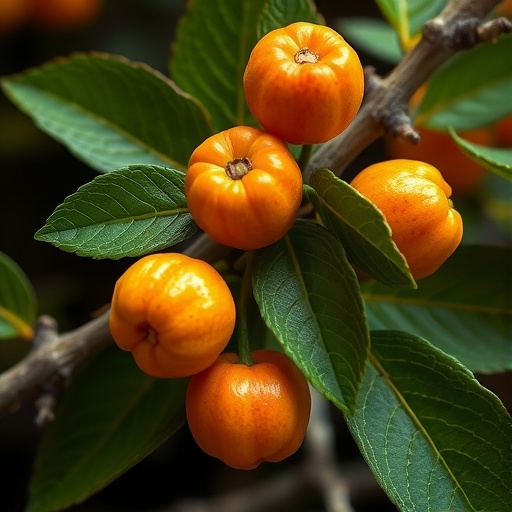
A groundbreaking study published in Food Science and Biotechnology in 2025 has unveiled remarkable insights into the potential therapeutic benefits of Lycii fructus, commonly known as goji berry, with a particular focus on its inhibitory properties against osteoclast differentiation. This intricate biological process, crucially involved in bone resorption and remodeling, is driven by the receptor activator of nuclear factor κB ligand (RANKL), a pivotal molecule in bone metabolism. In this article, researchers have meticulously explored how water extracts derived from Lycii fructus, alongside the potent carotenoid zeaxanthin—the principal active ingredient—can modulate this pathway, offering promising avenues for managing diseases characterized by excessive bone loss such as osteoporosis.
The significance of osteoclasts in maintaining skeletal integrity cannot be overstated. These specialized, multinucleated cells originate from the monocyte/macrophage lineage and are responsible for bone resorption, a process balanced by osteoblast-driven bone formation. Dysregulation in osteoclast activity, often stimulated by RANKL, leads to pathological conditions marked by bone fragility, fragility fractures, and chronic skeletal deformities. The quest for effective agents that can selectively inhibit osteoclast differentiation without adverse effects on bone formation remains a formidable challenge in clinical therapeutics. Against this backdrop, Han and colleagues have embarked on an in-depth investigation to decipher the molecular underpinnings through which Lycii fructus water extracts exert inhibitory effects on RANKL-induced osteoclastogenesis.
Central to their research is zeaxanthin, a xanthophyll carotenoid abundant in goji berries, renowned for its antioxidant and anti-inflammatory properties. By isolating zeaxanthin and assessing its impact on osteoclast precursor cells under RANKL stimulation, the study delivers compelling evidence that this bioactive compound interferes with critical signaling cascades imperative for osteoclast differentiation. More specifically, zeaxanthin appears to attenuate the activation of NF-κB (nuclear factor kappa-light-chain-enhancer of activated B cells), a master transcription factor that orchestrates the expression of osteoclast-specific genes. The dampening of NF-κB activity thus effectively halts the cellular programs that culminate in mature osteoclast formation.
The researchers employed a series of comprehensive in vitro assays, utilizing macrophage-lineage cell cultures treated with RANKL to simulate osteoclastogenesis. Treatment with Lycii fructus water extracts resulted in a significant decrease in the number of tartrate-resistant acid phosphatase (TRAP)-positive multinucleated cells—a hallmark of osteoclast identity—without compromising cell viability. This selective inhibitory profile underscores the therapeutic potential of natural compounds that target pathological differentiation processes while preserving cellular health. Further confirming these findings, quantitative PCR analyses revealed downregulation of key osteoclast-related genes including cathepsin K, matrix metalloproteinase 9 (MMP9), and TRAP, attesting to the molecular suppression of osteoclastogenic pathways.
Intriguingly, the study highlights the dual functionality of Lycii fructus water extracts through their antioxidant effects, which may additionally curtail reactive oxygen species (ROS)-mediated enhancement of osteoclast differentiation. By quenching oxidative stress, zeaxanthin and complementary phytochemicals embedded in the goji berry matrix could inhibit redox-sensitive signaling mechanisms essential for osteoclast maturation. This multifaceted mechanism offers a nuanced approach to bone preservation, integrating both direct transcriptional inhibition and indirect modulation via oxidative stress attenuation.
Beyond cellular assays, the researchers probed signal transduction pathways activated by RANKL, such as MAPK (mitogen-activated protein kinase) and NFATc1 (nuclear factor of activated T-cells, cytoplasmic 1), both indispensable regulators of osteoclast gene expression. Treatment with Lycii fructus extracts led to diminished phosphorylation of ERK, JNK, and p38 MAPKs, culminating in suppressed induction of NFATc1. This cascade interruption effectively stalls the maturation program of osteoclast precursors. Such comprehensive targeting of intracellular signaling nodes emphasizes the robustness of Lycii fructus’s inhibitory action.
The implications of these findings extend beyond basic science and have palpable clinical resonance. Osteoporosis affects millions worldwide, leading to debilitating fractures and elevated healthcare burdens. Current pharmacological interventions, including bisphosphonates and RANKL antibodies (e.g., denosumab), though effective, bear risks of long-term adverse effects such as osteonecrosis and atypical fractures. The advent of natural, dietary-based agents with high safety profiles could revolutionize preventive and adjunctive strategies in bone health management. Lycii fructus, widely consumed for its nutritional benefits, emerges as a promising candidate for functional food development targeting skeletal diseases.
Additionally, this study enriches the growing body of evidence endorsing carotenoids as pivotal modulators of cellular differentiation and inflammation. Zeaxanthin’s capacity to intercept NF-κB and MAPK pathways echoes observations in diverse pathological contexts, underscoring a conserved molecular mechanism that can be harnessed therapeutically. The specificity of zeaxanthin in mitigating osteoclastogenesis without hampering osteoblast function is particularly noteworthy, as it suggests a harmonized effect conducive to bone homeostasis.
Methodologically, the researchers ensured rigorous validation through multiple experimental replicates and controls, underscoring the reproducibility and reliability of their data. The use of water extracts aligns with feasible dietary modalities, enhancing translational potential. While in vivo studies remain requisite for confirming bioavailability, pharmacokinetics, and systemic efficacy, this foundational research lays a compelling groundwork for subsequent clinical exploration.
Furthermore, the interplay between traditional herbal medicine and modern molecular biology is exemplified in this research. Lycii fructus, long utilized in Asian traditional medicine for vision enhancement, immune modulation, and longevity, now gains mechanistic credence in bone pathophysiology. This convergence validates ethnobotanical knowledge and encourages integrative approaches bridging natural compounds with cutting-edge biomedical research.
The study also prompts reflection on the broader role of natural antioxidants in chronic disease modulation. Chronic inflammatory conditions often exacerbate osteoclast activity through heightened cytokine signaling and oxidative stress. By mitigating such pro-osteoclastogenic stimuli, substances like zeaxanthin may exert systemic benefits beyond skeleton-specific effects, offering holistic therapeutic advantages.
Acknowledging the need for nuanced dose optimization and potential synergies with other bioactives, the authors advocate for expanded research encompassing animal models and human clinical trials. Such endeavors are crucial to decipher the comprehensive pharmacodynamics and to establish standardized formulations ensuring consistent therapeutic outcomes.
In summary, Han et al.’s investigation delineates a sophisticated biochemical landscape wherein Lycii fructus water extracts and zeaxanthin impede RANKL-induced osteoclast differentiation via multi-tiered attenuation of signaling pathways and gene expression. These findings enhance understanding of bone biology and introduce promising nutraceutical candidates to combat osteoporosis and related diseases. With the global aging population, such innovations resonate profoundly, heralding a future where dietary interventions complement pharmacotherapy in safeguarding skeletal health.
As the scientific community continues to unravel nature’s pharmacopoeia, this study stands as a testament to the untapped potential residing within traditional botanicals. With further validation and clinical translation, compounds like zeaxanthin might become integral components of personalized medicine paradigms designed to maintain bone integrity, prevent fractures, and improve quality of life worldwide.
Cite Scienmag News
Drew Townsend. (August 5, 2025). Lycii Fructus Extracts and Zeaxanthin Inhibit Osteoclasts. Scienmag. https://scienmag.com/lycii-fructus-extracts-and-zeaxanthin-inhibit-osteoclasts/
Drew Townsend. "Lycii Fructus Extracts and Zeaxanthin Inhibit Osteoclasts." Scienmag, 5 August 2025, https://scienmag.com/lycii-fructus-extracts-and-zeaxanthin-inhibit-osteoclasts/. Accessed 5 September 2026.
Drew Townsend. "Lycii Fructus Extracts and Zeaxanthin Inhibit Osteoclasts." Scienmag. August 5, 2025. https://scienmag.com/lycii-fructus-extracts-and-zeaxanthin-inhibit-osteoclasts/


