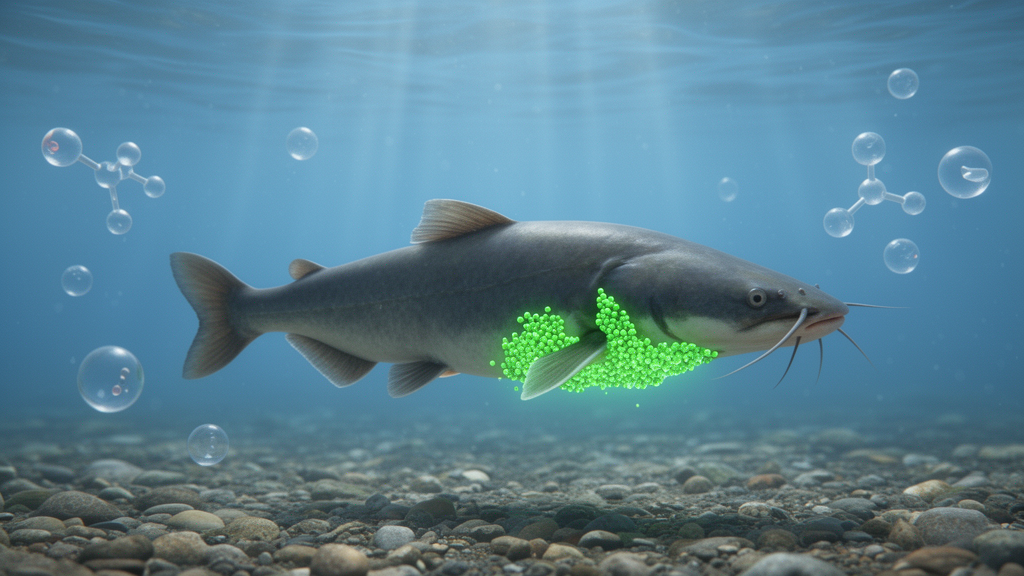
An immobilized consortium of bisphenol-utilizing bacteria substantially reduced signs of toxicity in juvenile African catfish (Clarias gariepinus) exposed to water contaminated with the bisphenol A analogues bisphenol F (BPF) and bisphenol S (BPS), according to a peer-reviewed study published in BMC Biotechnology on 17 October 2026. The research, led by Folasade M. Olajuyigbe with colleagues including Tolulope F. Orungbemi, Iyabo A. Amogunla, Tosin S. Olawumi, Matthew T. Oladipupo and Ebunoluwa R. Asenuga, examined how sublethal exposure to the two chemicals affected biochemical, hematological and histological parameters in several organs of the fish, and whether bioremediation treatment could counter those effects.
Health concerns surrounding bisphenol A have driven its replacement with analogues such as BPF and BPS, yet the study’s authors note that data on the potential health hazards of these substitutes remain scarce, and research on removing them from aqueous environments is still emerging. To address this gap, the team exposed juvenile catfish to BPF and BPS at sublethal concentrations and applied a bioremediation treatment consisting of a 10% immobilized bisphenol-utilizing bacterial consortium. The experiments were carried out in triplicate, and results from the treated groups were compared with those of a control group.
The researchers used a battery of biomarkers to track oxidative stress and tissue damage. Malondialdehyde (MDA) levels were measured as an indicator of lipid peroxidation and oxidative stress. Activities of key antioxidant enzymes, including superoxide dismutase (SOD), catalase (CAT), glutathione peroxidase (GPx) and glutathione S-transferase (GST), were determined, along with the concentration of the non-enzymatic antioxidant reduced glutathione (GSH). Brain acetylcholinesterase (AChE) activity was evaluated as a biomarker of environmental stress, and histological analyses were conducted on selected tissues, specifically the gills, liver, kidney, muscle and brain, across all experimental groups.
In the polluted groups, levels of malondialdehyde and glutathione peroxidase rose significantly compared with the control fish, while the activities of superoxide dismutase, catalase, glutathione S-transferase and acetylcholinesterase, as well as the concentration of reduced glutathione, fell significantly. This pattern is consistent with the chemical disruption of the fish’s antioxidant defenses under bisphenol exposure. Remarkably, enzyme activities in the groups that received the immobilized bacterial treatment were similar to those recorded in the control groups, indicating that the bioremediation largely restored the measured biochemical profile to baseline conditions.
Tissue-level observations pointed in the same direction. Lesions observed in the fish tissues of the polluted group were minimal in the treated groups, suggesting that the bacterial consortium reduced the structural damage associated with BPF and BPS exposure. Hematological parameters that were significantly reduced in the pollution group were elevated in the treated groups, further supporting the protective effect of the bioremediation treatment on the fish’s overall physiological condition.
The authors state that the findings provide evidence-based support for selecting immobilized microbes as bioremediation tools and suggest the efficacy of the treatment in alleviating BPF and BPS toxicity in fish species. Because the study was conducted in juvenile African catfish under controlled experimental exposure, the results speak to this species and these conditions; the abstract notes that the work is intended to inform decisions about immobilized microbes as bioremediation agents rather than to establish broader ecological outcomes. The article is published open access, and the version shared carries a permanent DOI as an accepted, citable manuscript that is subject to further edits before the final Version of Record.
Subject of Research: Bioremediation of bisphenol F and bisphenol S contamination in water using an immobilized bacterial consortium to reduce toxicity in juvenile African catfish.
Article Title: Immobilized bacterial consortium alleviates oxidative stress in juvenile African catfish (Clarias gariepinus) exposed to bisphenol-contaminated water
Article References: Olajuyigbe, F. M., Orungbemi, T. F., Amogunla, I. A., Olawumi, T. S., Oladipupo, M. T., & Asenuga, E. R. (2026). Immobilized bacterial consortium alleviates oxidative stress in juvenile African catfish (Clarias gariepinus) exposed to bisphenol-contaminated water. BMC Biotechnology. https://doi.org/10.1186/s12896-026-01240-z
Image Credits: AI Generated
DOI: 10.1186/s12896-026-01240-z
Keywords: bisphenol F, bisphenol S, bisphenol A analogues, African catfish, bioremediation, immobilized bacteria, oxidative stress, malondialdehyde, antioxidant enzymes, acetylcholinesterase, histology, water pollution
Cite Scienmag News
Gregory Coleman. (October 29, 2026). Immobilized Bacteria Ease Oxidative Stress in Catfish Exposed to Bisphenols. Scienmag. https://scienmag.com/immobilized-bacteria-ease-oxidative-stress-in-catfish-exposed-to-bisphenols/
Gregory Coleman. "Immobilized Bacteria Ease Oxidative Stress in Catfish Exposed to Bisphenols." Scienmag, 29 October 2026, https://scienmag.com/immobilized-bacteria-ease-oxidative-stress-in-catfish-exposed-to-bisphenols/. Accessed 1 November 2026.
Gregory Coleman. "Immobilized Bacteria Ease Oxidative Stress in Catfish Exposed to Bisphenols." Scienmag. October 29, 2026. https://scienmag.com/immobilized-bacteria-ease-oxidative-stress-in-catfish-exposed-to-bisphenols/