

Wednesday, October 28, 2026
Science
No Result
View All Result
  • Login
  • HOME
  • SCIENCE NEWS
  • CONTACT US
  • HOME
  • SCIENCE NEWS
  • CONTACT US
No Result
View All Result
Scienmag
No Result
View All Result
Home Science News Biotechnology

Cinnamon Family Essential Oil Shows Acaricidal Activity Against Hyalomma asiaticum Ticks

October 27, 2026
in Biology, Biotechnology
Gregory Coleman
By Gregory Coleman Scienmag Editorial Profile - Synthetic Biology
Reading Time: 3 mins read
0
Cinnamon Family Essential Oil Shows Acaricidal Activity Against Hyalomma asiaticum Ticks

Cinnamon Family Essential Oil Shows Acaricidal Activity Against Hyalomma asiaticum Ticks

65
SHARES
587
VIEWS
Share on FacebookShare on Twitter
ADVERTISEMENT

Essential oil distilled from the leaves of Cinnamomum tamala, a cinnamon relative, kills multiple life stages of the tick Hyalomma asiaticum in laboratory tests, according to a peer-reviewed study published in BMC Biotechnology on 24 October 2026. The oil’s principal chemical constituent was identified as cinnamaldehyde, which also showed lethal activity against the ticks on its own.

H. asiaticum is a Palearctic tick species of considerable medical and veterinary importance. The study’s authors describe it as a primary vector for Crimean-Congo hemorrhagic fever, Q fever, spotted fever, tick-borne encephalitis, theileriosis and anaplasmosis, making the search for new control agents against this species a public health concern.

The research team, led by Xiaolong Yang, Ruya Cao and Hao Li with senior author Zhihua Gao, combined chemical profiling, toxicity testing, enzymatic assays and transcriptomic sequencing to characterize both the oil’s potency and its biological effects on the ticks. Gas chromatography–mass spectrometry confirmed cinnamaldehyde as the dominant component of the essential oil.

In larval packet tests, the C. tamala essential oil showed significant acaricidal activity against unfed H. asiaticum larvae. Immersion tests extended the finding to later life stages: both the whole oil and purified cinnamaldehyde displayed considerable lethal effects on unfed nymphs and adults. The abstract reports these as observed effects in controlled assays rather than field trials, so real-world performance against tick populations remains to be established.

To probe the mechanisms behind the toxicity, the researchers ran enzymatic assays on treated ticks. Cinnamaldehyde significantly inhibited carboxylesterase activity while enhancing acetylcholinesterase levels.

The transcriptomic arm of the study focused on short-term gene expression changes. Using RNA sequencing, the team identified differentially expressed genes in H. asiaticum following exposure to the essential oil. Among the most notable results, flavin monooxygenase, abbreviated FMO, was significantly upregulated after treatment.

The quantitative PCR results corroborated the expression patterns measured in the transcriptome sequencing, strengthening confidence that the FMO response is a genuine transcriptional reaction to the oil rather than a sequencing artifact.

The authors interpret the FMO upregulation as evidence that these enzymes participate in the detoxification mechanisms H. asiaticum deploys in response to C. tamala essential oil exposure. The authors suggest that understanding this FMO pathway may help mitigate the development of acaricide resistance among ticks.

On the basis of these findings, the study concludes that C. tamala essential oil could serve as an effective alternative to synthetic chemical acaricides. The claim is framed as a potential application supported by laboratory efficacy data, enzymatic evidence and gene expression analysis, not as a demonstrated field intervention.

The article was published as open access under the early-release policy of BMC Biotechnology, which shares accepted, peer-reviewed manuscripts ahead of final copyediting. The published version of record will replace the current citable version, which carries a permanent DOI.

Subject of Research: Acaricidal activity and transcriptomic effects of Cinnamomum tamala essential oil and cinnamaldehyde against Hyalomma asiaticum ticks

Article Title: Chemical profiles, acaricidal activity, and enzymatic and transcriptomic mechanisms of Cinnamomum tamala essential oil and cinnamaldehyde against Hyalomma asiaticum

Article References: Yang, X., Cao, R., Li, H., Zhao, W., Zhang, X., Zhang, J., Xing, W., & Gao, Z. (2026). Chemical profiles, acaricidal activity, and enzymatic and transcriptomic mechanisms of Cinnamomum tamala essential oil and cinnamaldehyde against Hyalomma asiaticum. BMC Biotechnology. https://doi.org/10.1186/s12896-026-01242-x

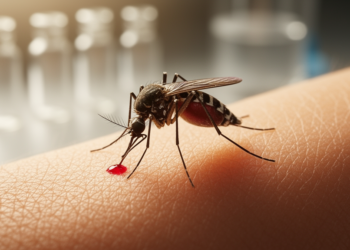
Image Credits: AI Generated

DOI: 10.1186/s12896-026-01242-x

Keywords: Cinnamomum tamala, essential oil, cinnamaldehyde, Hyalomma asiaticum, acaricide, ticks, transcriptomics, carboxylesterase, acetylcholinesterase, flavin monooxygenase, RNA sequencing, tick-borne disease

Cite Scienmag News

Gregory Coleman. (October 27, 2026). Cinnamon Family Essential Oil Shows Acaricidal Activity Against Hyalomma asiaticum Ticks. Scienmag. https://scienmag.com/cinnamon-family-essential-oil-shows-acaricidal-activity-against-hyalomma-asiaticum-ticks/

Gregory Coleman. "Cinnamon Family Essential Oil Shows Acaricidal Activity Against Hyalomma asiaticum Ticks." Scienmag, 27 October 2026, https://scienmag.com/cinnamon-family-essential-oil-shows-acaricidal-activity-against-hyalomma-asiaticum-ticks/. Accessed 28 October 2026.

Gregory Coleman. "Cinnamon Family Essential Oil Shows Acaricidal Activity Against Hyalomma asiaticum Ticks." Scienmag. October 27, 2026. https://scienmag.com/cinnamon-family-essential-oil-shows-acaricidal-activity-against-hyalomma-asiaticum-ticks/

Tags: acaricideacetylcholinesterasecarboxylesteraseChemical profiling of tick control agentscinnamaldehydeCinnamaldehyde as natural acaricideCinnamomum tamalaCinnamomum tamala leaf oilCinnamon family essential oil acaricidal activityEnessential oilEssential oils for tick-borne disease preventionflavin monooxygenaseHyalomma asiaticumHyalomma asiaticum tick controlLaboratory testing of essential oils against ticksLarval and adult tick eradication methodsNatural alternatives to synthetic acaricidesPublic health impact of tick-borne diseasesRNA sequencingtick-borne diseaseticksTranscriptomic analysis of tick response to natural acaricidesTranscriptomics
Share26Tweet16
Previous Post

Scoping review finds intestinal microplastic research dominated by simplified lab models

Next Post

Klebsiella pneumoniae outer membrane vesicles boost biofilm growth and carry biofilm-related mRNAs

Related Posts

Mosquito bites against malaria reveal antibodies to salivary protein SG1L3
Biology

Mosquito bites against malaria reveal antibodies to salivary protein SG1L3

October 28, 2026
Urine biomarker flags kidney transplant rejection before it strikes
Biology

Urine biomarker flags kidney transplant rejection before it strikes

October 28, 2026
Excess potassium triggers functional magnesium deficiency that hurts gerbera vase life
Biology

Excess potassium triggers functional magnesium deficiency that hurts gerbera vase life

October 28, 2026
New Whitening Method Speeds Up Giant Genetic Data Analysis
Biology

New Whitening Method Speeds Up Giant Genetic Data Analysis

October 28, 2026
New Open-Source Pipeline Speeds Up Whole Exome Sequencing Analysis
Biotechnology

New Open-Source Pipeline Speeds Up Whole Exome Sequencing Analysis

October 28, 2026
Four Simulation Tools Put Astrocyte Calcium Signaling to the Test
Biology

Four Simulation Tools Put Astrocyte Calcium Signaling to the Test

October 28, 2026
Next Post
Klebsiella pneumoniae outer membrane vesicles boost biofilm growth and carry biofilm-related mRNAs

Klebsiella pneumoniae outer membrane vesicles boost biofilm growth and carry biofilm-related mRNAs

  • Mothers who receive childcare support from maternal grandparents show more optimized

    Mothers who receive childcare support from maternal grandparents show more parental warmth, finds NTU Singapore study

    27656 shares
    Share 11059 Tweet 6912
  • University of Seville Breaks 120-Year-Old Mystery, Revises a Key Einstein Concept

    1061 shares
    Share 424 Tweet 265
  • Bee body mass, pathogens and local climate influence heat tolerance

    682 shares
    Share 273 Tweet 171
  • Researchers record first-ever images and data of a shark experiencing a boat strike

    546 shares
    Share 218 Tweet 137
  • Groundbreaking Clinical Trial Reveals Lubiprostone Enhances Kidney Function

    531 shares
    Share 212 Tweet 133
Science

Embark on a thrilling journey of discovery with Scienmag.com—your ultimate source for cutting-edge breakthroughs. Immerse yourself in a world where curiosity knows no limits and tomorrow’s possibilities become today’s reality!

RECENT NEWS

  • Mosquito bites against malaria reveal antibodies to salivary protein SG1L3
  • Urine biomarker flags kidney transplant rejection before it strikes
  • Excess potassium triggers functional magnesium deficiency that hurts gerbera vase life
  • Paxlovid cuts Long COVID risk in high-risk adults, large study finds

Categories

  • Agriculture
  • Anthropology
  • Archaeology
  • Athmospheric
  • Biology
  • Biotechnology
  • Blog
  • Bussines
  • Cancer
  • Chemistry
  • Climate
  • Earth Science
  • Editorial Policy
  • Marine
  • Mathematics
  • Medicine
  • Pediatry
  • Policy
  • Psychology & Psychiatry
  • Science Education
  • Science News
  • Social Science
  • Space
  • Technology and Engineering

Subscribe to Blog via Email

Enter your email address to subscribe to this blog and receive notifications of new posts by email.

Join 5,151 other subscribers

© 2025 Scienmag - Science Magazine

Welcome Back!

Login to your account below

Forgotten Password?

Retrieve your password

Please enter your username or email address to reset your password.

Log In
No Result
View All Result
  • HOME
  • SCIENCE NEWS
  • CONTACT US

© 2025 Scienmag - Science Magazine

Discover more from Science

Subscribe now to keep reading and get access to the full archive.

Continue reading