


Radiation injury has been studied intensively since the advent of atomic energy, with research attention surging after nuclear incidents. A new review published in BioMedical Engineering OnLine takes stock of how scientists model this damage today and argues that the field is moving away from traditional laboratory systems toward bioengineered alternatives that better reflect human biology.
The clinical stakes are considerable. In oncology, skin and mucosal radiation injury rank among the most common complications of cancer treatment, affecting more than 95% of patients who undergo radiotherapy. As cancer detection and therapy improve, the review notes, the proportion of cancer patients dying from non-cancer causes, particularly treatment-related side effects, has risen significantly. In cancer therapy-induced cardiovascular dysfunction, mortality exceeds 50%, underscoring what the authors describe as an urgent requirement for accurate assessment, effective treatment and prevention.
Against that backdrop, the review examines the limits of conventional models. In vitro cell cultures and animal studies have long anchored radiation injury research, but both face limitations regarding their translational relevance, meaning findings generated in dishes or animals do not always predict how human tissue responds to radiation. Regulatory bans on animal testing have further accelerated the advancement and adoption of alternative models in biomedical and toxicological research, adding practical pressure to a scientific one.
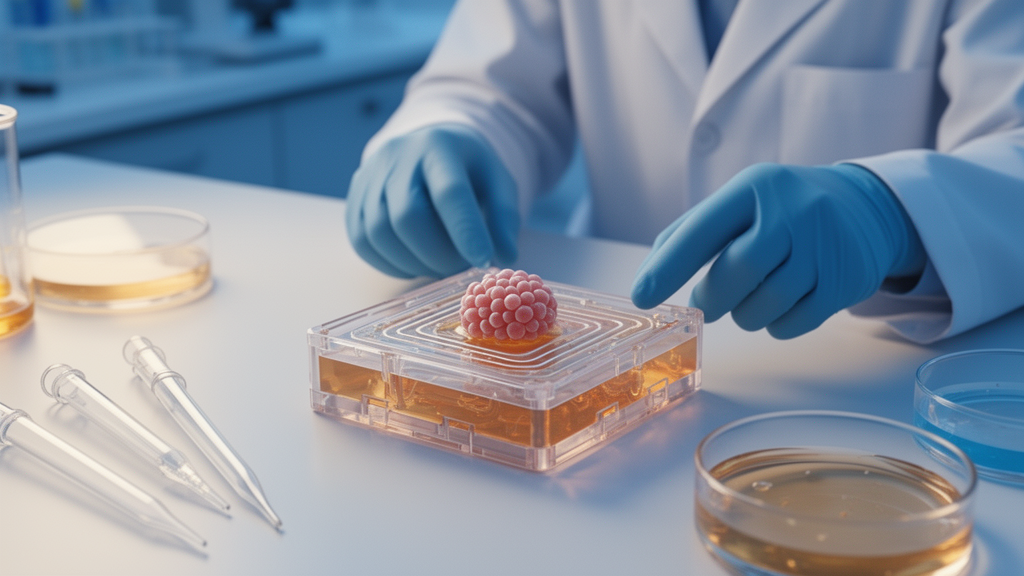
The emerging answer, according to the authors, comes from recent advancements in bioengineering. Three-dimensional bioprinted tissues, organ-on-a-chip methods and patient-derived organoids offer what the review calls innovative and effective platforms for recapitulating human pathophysiology. Together, these reconstructed systems aim to reproduce human tissue responses to radiation in ways traditional models cannot.
The review, led by Xiangkun Yuan, Yuqian Mao and colleagues, focuses its analysis on these three technology families, organoids, 3D-bioprinted constructs and organ-on-a-chip systems, and closes with an examination of future perspectives for the field. Published as an open-access review on 26 October 2026, it positions engineered human tissue models as a promising foundation for the next generation of radiation injury research.
Subject of Research: Radiation-induced injury models and emerging bioengineered alternatives
Article Title: Current status of radiation-induced injury models and future perspectives
Article References: Yuan, X., Mao, Y., Mao, Y., Zhao, Y., Zhang, Y., Fu, J., Yin, R., & Zhang, H. (2026). Current status of radiation-induced injury models and future perspectives. BioMedical Engineering OnLine. https://doi.org/10.1186/s12938-026-01644-0
Image Credits: AI Generated
DOI: 10.1186/s12938-026-01644-0
Keywords: radiation injury, organoids, organ-on-a-chip, 3D bioprinting, radiotherapy, cancer treatment side effects, cardiovascular toxicity, animal testing alternatives, bioengineering, translational models, review article, Current
Cite Scienmag News
Gregory Coleman. (October 26, 2026). Organoids and organ-on-a-chip models reshape radiation injury research. Scienmag. https://scienmag.com/organoids-and-organ-on-a-chip-models-reshape-radiation-injury-research/
Gregory Coleman. "Organoids and organ-on-a-chip models reshape radiation injury research." Scienmag, 26 October 2026, https://scienmag.com/organoids-and-organ-on-a-chip-models-reshape-radiation-injury-research/. Accessed 26 October 2026.
Gregory Coleman. "Organoids and organ-on-a-chip models reshape radiation injury research." Scienmag. October 26, 2026. https://scienmag.com/organoids-and-organ-on-a-chip-models-reshape-radiation-injury-research/


