


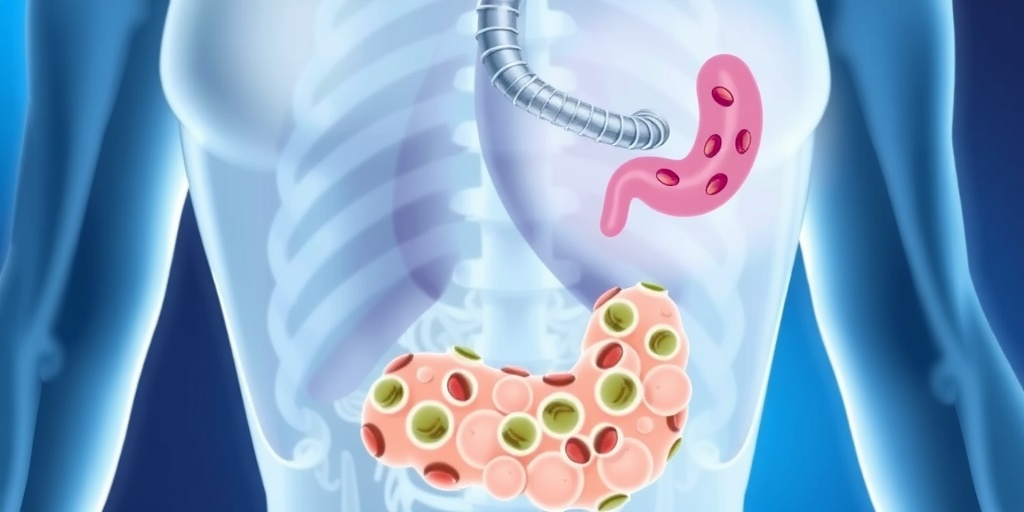
In recent years, the medical community has been increasingly focused on understanding the links between gallstones, the surgical removal of the gallbladder known as cholecystectomy, and various forms of cancer. A groundbreaking new study published in Frontiers of Medicine takes a detailed look at these associations, employing both observational data and Mendelian randomization techniques to elucidate previously conflicting outcomes observed in various populations. This research holds particular significance for Chinese adults, who have been experiencing a notable rise in gallstone-related complications.
Gallstone disease is a prevalent gastrointestinal condition worldwide, particularly as lifestyles evolve towards more sedentary habits and diets rich in fats. Recent statistics indicate that the incidence of gallstones has surged, which has warranted deeper exploration into the implications of gallstones not just as a health nuisance but as a potential precursor to more severe health issues like cancer. Although cholecystectomy is the standard treatment option for individuals suffering from symptomatic gallstones, its long-term impact on cancer risk has been a topic of heated debate among researchers.
The new study combines extensive data gathered from the REACTION study, which involved more than 250,000 adult participants aged 40 and older. Participants from 25 communities across mainland China provided a wealth of information regarding their medical history, dietary preferences, lifestyle choices, and even their family histories related to cancer. This large-scale observational study offers a substantial dataset for understanding the potential hazards posed by gallstones and the subsequent surgical intervention, thereby laying the groundwork for the findings that follow.
Key to the study’s methodology was the use of Mendelian randomization analysis. By implementing genetic proxies associated with gallstones and cholecystectomy, researchers aimed to reduce the influence of confounding variables that may skew results. Genetic data were sourced from the Neale Laboratory’s UK BioBank analysis, specifically targeting gallstones and cholecystectomy to derive clear causal relationships. Following stringent criteria ensured that only significant genetic variants related to the exposures were included—facilitating a more accurate interpretation of the results in the context of cancer risk.
In the findings from the observational study, a pronounced correlation emerged between a history of gallstones and an elevated risk of various cancers, including stomach, liver, kidney, and bladder cancer. Notably, gallstones that were not treated with cholecystectomy appeared particularly dangerous, while the presence of gallstones along with cholecystectomy still resulted in heightened risks for specific cancers such as stomach and colorectal cancers. Gender-specific analyses brought intriguing revelations as well—women with gallstones showed a significant correlation with cervical cancer but no substantial links were found for breast cancer.
The Mendelian randomization outcomes harmonized with observational study findings for gallstones; however, the same could not be declared for cholecystectomy. The analysis did not yield any genetic associations between cholecystectomy and cancer, raising the question of whether surgical removal of the gallbladder nullifies or mitigates cancer risks associated with gallstones. This discrepancy suggests a potentially separable pathway of risk that warrants further investigation.
The study unequivocally concludes that gallstones carry a significant risk for several types of cancer, especially stomach, liver, kidney, and bladder cancers. However, the possibility of a causal relationship between gallstones and cervical cancer, as well as between cholecystectomy and colorectal cancer, remains tenuous and merits additional exploration. The research highlights the importance of recognizing gallstone disease as a serious public health concern, one that necessitates vigilant monitoring and intervention due to its potential to precipitate cancer in at-risk populations.
Notable strengths of the research include its extensive sample size and the rigorous approach taken to analyze cancer associations, especially through the lens of gender-specific risk factors. Yet, limitations persist, including the reliance on retrospective data for gallstone and cholecystectomy histories, which may introduce bias or error, as well as the narrow focus excluding hematological cancers. Moreover, the usage of European population data for the Mendelian randomization analysis invites questions about the applicability of the findings across diverse ethnicities.
As researchers contemplate these findings, it becomes imperative to broaden the scope of inquiry into gallstone disease, particularly in under-researched populations, to replicate results and to discover the carcinogenic mechanisms involved. The correlation presented in this study could set the stage for future clinical practices and health guidelines aimed at mitigating cancer risk associated with gallstones.
Ultimately, this novel research combines a holistic view of gallstones and surgical treatment impacts, utilizing both traditional epidemiological methods and innovative genetic analyses to advance our understanding. As the findings permeate the scientific community, they pave the way for both inquiry and intervention, with the potential to reshape how gallstone disease is perceived and managed.
In conclusion, the findings of this study elevate the conversation about gallstones beyond mere digestive discomfort. They indicate a profound need for awareness around the long-term implications of gallstone disease, especially regarding risk factors for cancer. The evidence highlights an undeniable, complex interplay requiring continued scrutiny to effectively address this health issue in the coming years.
Cite Scienmag News
Nathaniel Bowman. (March 31, 2025). Exploring the Link Between Gallstones, Cholecystectomy, and Cancer Risk: Insights from Observational and Mendelian Randomization Research. Scienmag. https://scienmag.com/exploring-the-link-between-gallstones-cholecystectomy-and-cancer-risk-insights-from-observational-and-mendelian-randomization-research/
Nathaniel Bowman. "Exploring the Link Between Gallstones, Cholecystectomy, and Cancer Risk: Insights from Observational and Mendelian Randomization Research." Scienmag, 31 March 2025, https://scienmag.com/exploring-the-link-between-gallstones-cholecystectomy-and-cancer-risk-insights-from-observational-and-mendelian-randomization-research/. Accessed 1 September 2026.
Nathaniel Bowman. "Exploring the Link Between Gallstones, Cholecystectomy, and Cancer Risk: Insights from Observational and Mendelian Randomization Research." Scienmag. March 31, 2025. https://scienmag.com/exploring-the-link-between-gallstones-cholecystectomy-and-cancer-risk-insights-from-observational-and-mendelian-randomization-research/


