

Saturday, October 24, 2026
Science
No Result
View All Result
  • Login
  • HOME
  • SCIENCE NEWS
  • CONTACT US
  • HOME
  • SCIENCE NEWS
  • CONTACT US
No Result
View All Result
Scienmag
No Result
View All Result
Home Science News Biology

Sulfate Ions Strengthen the Molecular Glue Behind Oral Bacterial Aggregation

October 24, 2026
in Biology, Science News
Morgan Morrow
By Morgan Morrow Scienmag Editorial Profile - Bacteriology
Reading Time: 2 mins read
0
Sulfate Ions Strengthen the Molecular Glue Behind Oral Bacterial Aggregation

Sulfate Ions Strengthen the Molecular Glue Behind Oral Bacterial Aggregation

65
SHARES
587
VIEWS
Share on FacebookShare on Twitter
ADVERTISEMENT

A computational study published in Frontiers in Microbiology reports that sulfate ions significantly enhance the stability of the Cnm–Cnm complex, a protein–protein association formed by the collagen-binding protein Cnm from Streptococcus mutans. The finding offers a physical mechanism for how ionic conditions might encourage Cnm-mediated aggregation, a process that earlier experimental work has linked to cerebral microbleeds, a pathological condition frequently associated with ischemic stroke. Because the results come from molecular dynamics simulations rather than direct clinical measurements, the authors present them as mechanistic insights into a possible oral–systemic connection, not as demonstrated clinical outcomes.

Cnm has been implicated in previous experimental studies of S. mutans pathogenicity, and recent evidence cited by the research team suggests that Cnm-mediated interactions may drive protein–protein aggregation, with the surrounding ionic environment potentially influencing this behavior. The spectroscopic measurements showed an enrichment of sulfur-containing species in Cnm-positive strains of S. mutans, which motivated the choice of sulfate ions as the focus of the simulation analysis. The all-atom simulations evaluated how sulfate affects the stability of the Cnm–Cnm complex.

Three independent indicators pointed in the same direction: the fluctuations in the distance between the two proteins were reduced, the number of intermolecular contacts increased, and the binding free-energy profile showed a deeper minimum, indicating that the paired state became energetically more favorable in the presence of sulfate. Together, these results suggest that sulfate ions can indirectly promote Cnm aggregation through ionic screening of the protein surfaces. To extend the analysis beyond the short timescales and small system sizes accessible to all-atom simulations, the researchers implemented coarse-grained simulations using the MARTINI force field.

These models were first validated against the atomistic reference data and then used to explore the thermodynamics of protein–protein association over larger scales. The agreement between the two levels of description supports the conclusion that sulfate-mediated stabilization of the Cnm–Cnm complex is a robust feature of the simulated system rather than an artifact of a single modeling approach. The authors emphasize that the study provides physical mechanistic insights into aggregation processes potentially relevant to S. mutans pathogenicity.

The connection to human health remains indirect: previous experimental work has associated Cnm with cerebral microbleeds, and the new simulations suggest a way in which the ionic chemistry of the oral environment could shape the aggregation behavior of this protein. Establishing whether sulfate-driven stabilization of Cnm–Cnm complexes contributes to bacterial aggregation in the mouth, and whether that process matters for the reported systemic associations, will require further experimental and clinical investigation beyond the computational evidence presented here.

Subject of Research: Molecular dynamics simulations of sulfate-ion stabilization of the Cnm–Cnm protein complex in Streptococcus mutans

Article Title: Sulfate ions promote Cnm-mediated aggregation in Streptococcus mutans: molecular dynamics insights into the oral–systemic connection

Article References: Multari, S., Nobile, M. S., Zhu, W., Giacometti, A., Cazzaniga, P., & Pezzotti, G. (2026). Sulfate ions promote Cnm-mediated aggregation in Streptococcus mutans: molecular dynamics insights into the oral–systemic connection. Frontiers in Microbiology, 17, Article 1967198. https://doi.org/10.3389/fmicb.2026.1967198

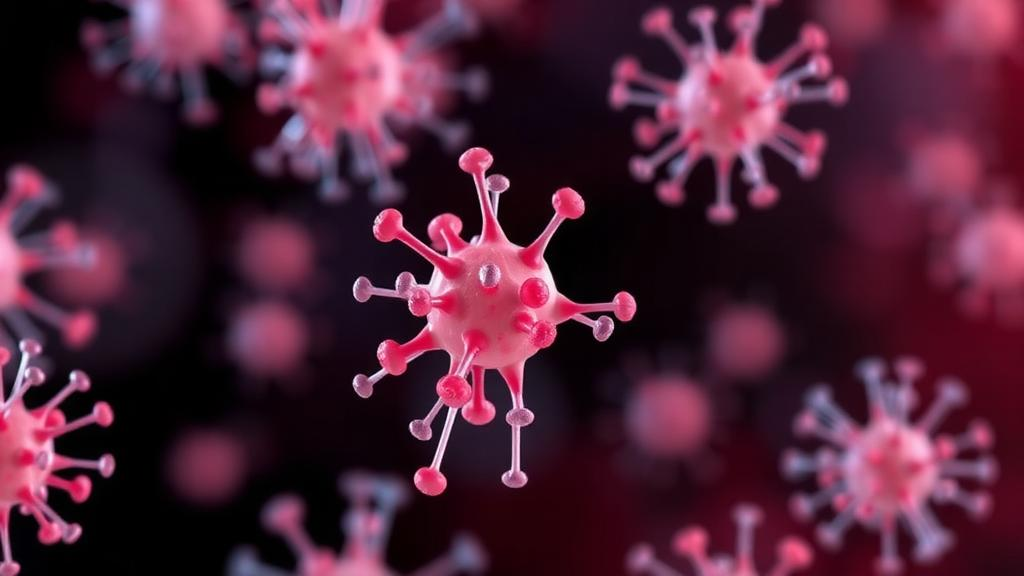
Image Credits: AI Generated

DOI: 10.3389/fmicb.2026.1967198

Keywords: Streptococcus mutans, Cnm protein, molecular dynamics, sulfate ions, bacterial aggregation, protein–protein association, oral–systemic connection, Sulfate, ions, promote, Cnm-mediated, aggregation

Cite Scienmag News

Morgan Morrow. (October 24, 2026). Sulfate Ions Strengthen the Molecular Glue Behind Oral Bacterial Aggregation. Scienmag. https://scienmag.com/sulfate-ions-strengthen-the-molecular-glue-behind-oral-bacterial-aggregation/


Morgan Morrow. "Sulfate Ions Strengthen the Molecular Glue Behind Oral Bacterial Aggregation." Scienmag, 24 October 2026, https://scienmag.com/sulfate-ions-strengthen-the-molecular-glue-behind-oral-bacterial-aggregation/. Accessed 24 October 2026.

Morgan Morrow. "Sulfate Ions Strengthen the Molecular Glue Behind Oral Bacterial Aggregation." Scienmag. October 24, 2026. https://scienmag.com/sulfate-ions-strengthen-the-molecular-glue-behind-oral-bacterial-aggregation/

Tags: aggregationbacterial aggregationCnm proteinCnm-mediatedCnm–Cnm complex stabilitycollagen-binding proteins in oral bacteriaimplications for cerebral microbleeds and ischemic strokeionic influence on bacterial adhesionionsmechanistic insights into oral bacterial aggregationmolecular dynamicsmolecular dynamics simulations of protein interactionsoral-systemic health connectionoral–systemic connectionpromoteprotein–protein associationprotein–protein interactions in oral microbiologyrole of ionic environment in bacterial pathogenicityStreptococcus mutansStreptococcus mutans pathogenicitysulfatesulfate ionsSulfate ions and bacterial protein aggregationsulfate ions in microbial biofilm formation
Share26Tweet16
Previous Post

Community effort, not one scholar, sustained a nineteenth-century Ethiopian Islamic learning centre

Next Post

EquiChain framework slashes PBFT communication overhead by up to 98% in permissioned blockchains

Related Posts

EquiChain framework slashes PBFT communication overhead by up to 98% in permissioned blockchains
Technology and Engineering

EquiChain framework slashes PBFT communication overhead by up to 98% in permissioned blockchains

October 24, 2026
Community effort, not one scholar, sustained a nineteenth-century Ethiopian Islamic learning centre
Social Science

Community effort, not one scholar, sustained a nineteenth-century Ethiopian Islamic learning centre

October 24, 2026
Arsenic drives soil health risks in Armenia’s Shirak region
Climate

Arsenic drives soil health risks in Armenia’s Shirak region

October 24, 2026
Discrimination linked to depression, anxiety and suicidal thoughts in LGBTQ+ college students
Medicine

Discrimination linked to depression, anxiety and suicidal thoughts in LGBTQ+ college students

October 24, 2026
Spanish Teens Report More Parental Warmth and Control Than Moroccan Peers
Psychology & Psychiatry

Spanish Teens Report More Parental Warmth and Control Than Moroccan Peers

October 24, 2026
High PFOS Levels Linked to Higher Kidney Cancer Odds in Okinawa Study
Earth Science

High PFOS Levels Linked to Higher Kidney Cancer Odds in Okinawa Study

October 24, 2026
Next Post
EquiChain framework slashes PBFT communication overhead by up to 98% in permissioned blockchains

EquiChain framework slashes PBFT communication overhead by up to 98% in permissioned blockchains

  • Mothers who receive childcare support from maternal grandparents show more optimized

    Mothers who receive childcare support from maternal grandparents show more parental warmth, finds NTU Singapore study

    27656 shares
    Share 11059 Tweet 6912
  • University of Seville Breaks 120-Year-Old Mystery, Revises a Key Einstein Concept

    1061 shares
    Share 424 Tweet 265
  • Bee body mass, pathogens and local climate influence heat tolerance

    682 shares
    Share 273 Tweet 171
  • Researchers record first-ever images and data of a shark experiencing a boat strike

    546 shares
    Share 218 Tweet 137
  • Groundbreaking Clinical Trial Reveals Lubiprostone Enhances Kidney Function

    531 shares
    Share 212 Tweet 133
Science

Embark on a thrilling journey of discovery with Scienmag.com—your ultimate source for cutting-edge breakthroughs. Immerse yourself in a world where curiosity knows no limits and tomorrow’s possibilities become today’s reality!

RECENT NEWS

  • EquiChain framework slashes PBFT communication overhead by up to 98% in permissioned blockchains
  • Sulfate Ions Strengthen the Molecular Glue Behind Oral Bacterial Aggregation
  • Community effort, not one scholar, sustained a nineteenth-century Ethiopian Islamic learning centre
  • Arsenic drives soil health risks in Armenia’s Shirak region

Categories

  • Agriculture
  • Anthropology
  • Archaeology
  • Athmospheric
  • Biology
  • Biotechnology
  • Blog
  • Bussines
  • Cancer
  • Chemistry
  • Climate
  • Earth Science
  • Editorial Policy
  • Marine
  • Mathematics
  • Medicine
  • Pediatry
  • Policy
  • Psychology & Psychiatry
  • Science Education
  • Science News
  • Social Science
  • Space
  • Technology and Engineering

Subscribe to Blog via Email

Enter your email address to subscribe to this blog and receive notifications of new posts by email.

Join 5,152 other subscribers

© 2025 Scienmag - Science Magazine

Welcome Back!

Login to your account below

Forgotten Password?

Retrieve your password

Please enter your username or email address to reset your password.

Log In
No Result
View All Result
  • HOME
  • SCIENCE NEWS
  • CONTACT US

© 2025 Scienmag - Science Magazine

Discover more from Science

Subscribe now to keep reading and get access to the full archive.

Continue reading