


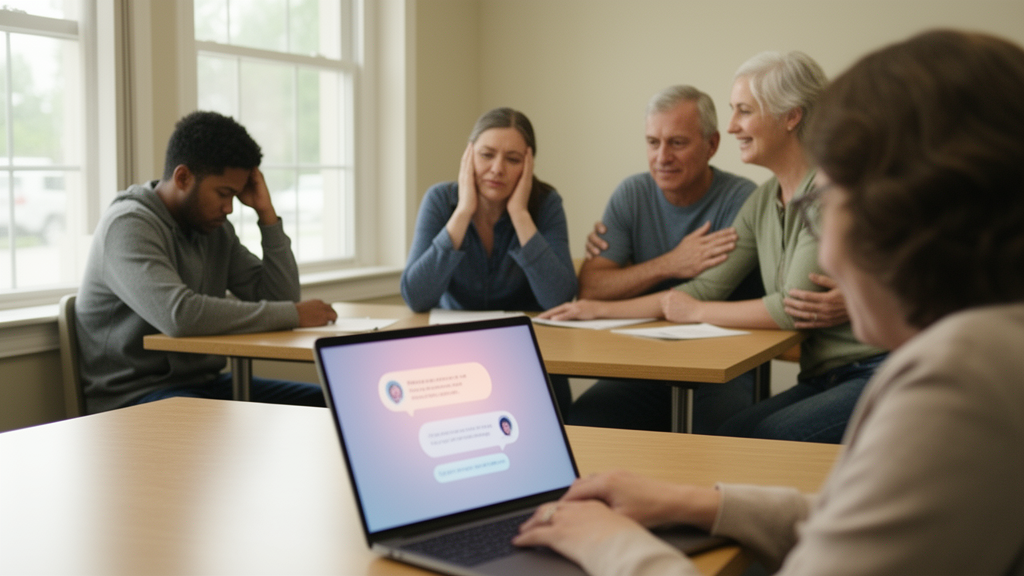
A 2026 American Psychological Association survey found that many U.S. adults view stress as an unavoidable part of daily life: 77% identified the cost of living and 74% the future of the nation as significant sources of stress. Nearly three-quarters said stress was “something I have to live with,” while 68% said they had become accustomed to living with uncertainty. The survey also found that 47% had pulled back from at least one form of social engagement during the previous year because of stress, uncertainty or feeling overwhelmed.
The findings come from the 2026 Stress in America survey, conducted online by The Harris Poll on behalf of the APA. Researchers surveyed 3,132 adults ages 18 and older who resided in the United States between July 29 and August 24, 2026. The national sample included oversamples of 801 Black adults, 803 Latino/a/e adults and 827 Asian adults; interviews with Latino/a/e adults were conducted in English and Spanish.
As a cross-sectional online survey, the study provides a snapshot of respondents’ reported attitudes and experiences. It does not establish that stress caused the reported social withdrawal, use of artificial intelligence for support or reductions in expectations, and it does not show whether those experiences changed over time. The results also rely on self-reported answers rather than clinical assessments or objective measures of stress and well-being.
Respondents identified financial pressures and national concerns as prominent stressors. Respondents cited trying to keep up with rent or a mortgage and paying for necessities such as groceries and childcare when explaining the cost-of-living concerns. The survey was released ahead of the 2026 midterm elections, but it did not test whether political events or election-related expectations caused the responses.
Many participants reported that uncertainty had become familiar. Seventy-two percent said bad news no longer shocked them as much as it used to, and 68% said they had become accustomed to living with uncertainty. The same survey found that 59% felt they were doing everything “right” but still falling behind, while 56% reported having to lower their expectations for what they could achieve in life.
AI users also reported using the technology for forms of support beyond simple information retrieval. Among surveyed AI users, 49% had conversed with AI as a friend and 47% had used it in a role comparable to a mental health professional. One in 10 said they relied on AI more than friends and family for advice. These figures describe reported use among the survey’s AI users; they do not establish the clinical effectiveness, safety or appropriateness of AI as a mental health support tool.
APA CEO Arthur C. Evans Jr. said it is understandable for people who feel overwhelmed to turn to AI for quick, accessible support, but cautioned that accessibility should not be confused with expertise. He said AI tools may play a supportive role but cannot replace the clinical judgment of a psychologist or another qualified mental health professional, or the human connection provided by relationships with family and friends. He also described becoming accustomed to chronic stress as different from healthy adaptation, noting that chronic stress can seriously affect physical and psychological well-being.
Overall, the survey documents widespread perceptions of stress and uncertainty alongside reported social withdrawal and revised expectations. Nearly half of respondents said they had reduced at least one form of social engagement, and more than half said they had lowered their expectations for what they could achieve. The scale of these self-reported experiences makes stress management and access to support prominent issues, but the survey cannot determine whether the reported patterns are temporary, chronic or caused by any particular stressor. Evans said healthy coping strategies, meaningful connections and accessible support can help people navigate uncertain circumstances, while the APA continues to provide resources for managing stress.
Subject of Research: A 2026 online survey of reported stress, social withdrawal, expectations and AI support use among U.S. adults
Article Title: Amid cost‑of‑living worries and concern for the nation’s future, stress is reshaping Americans’ lives
Article References: Amid cost‑of‑living worries and concern for the nation’s future, stress is reshaping Americans’ lives. Original publication (Bibliographic details unavailable.)
Image Credits: AI Generated
DOI: Not provided
Keywords: psychological stress, U.S. adults, cost of living, social withdrawal, artificial intelligence, mental health support, uncertainty, survey research, life expectations, Amid, cost, living
Cite Scienmag News
Ophelia Keating. (October 22, 2026). APA survey finds U.S. adults report stress, social withdrawal and AI support. Scienmag. https://scienmag.com/apa-survey-finds-u-s-adults-report-stress-social-withdrawal-and-ai-support/
Ophelia Keating. "APA survey finds U.S. adults report stress, social withdrawal and AI support." Scienmag, 22 October 2026, https://scienmag.com/apa-survey-finds-u-s-adults-report-stress-social-withdrawal-and-ai-support/. Accessed 22 October 2026.
Ophelia Keating. "APA survey finds U.S. adults report stress, social withdrawal and AI support." Scienmag. October 22, 2026. https://scienmag.com/apa-survey-finds-u-s-adults-report-stress-social-withdrawal-and-ai-support/


