


Scientists at the University of Shumen in Bulgaria have carried out one of the first detailed surveys of the bacteria living in the intestines of Black Sea fish, and the results point to a surprising pattern: each fish species examined carried its own distinct species of Pseudomonas, a bacterial genus that appears to be a natural resident of marine teleosts rather than a sign of pollution or environmental stress. The study, published in the journal BioRisk, offers a rare glimpse into the microbial ecology of fish in a sea where such data have been almost entirely absent.
Fish are among the most important sources of animal protein worldwide, supplying roughly sixteen percent of the animal protein consumed by the global human population according to the Food and Agriculture Organization. They are rich in omega-3 fatty acids that the human body cannot synthesize, low in fat and cholesterol, and easily digested, making them suitable food for infants, children and the elderly. Yet the microbiology of fish is closely tied to human health, because fish carry microorganisms both inside their bodies and on their surfaces. The microbial content of a fish also reflects the state of its environment, which means gut bacteria can serve as indicators of water quality.
Several bacterial genera, including Escherichia, Listeria, Pseudomonas, Klebsiella and Salmonella, have previously been isolated from fish and can indicate pollution from multiple sources. Aquatic systems are also increasingly recognized as hotspots for antibiotic resistance genes, where significant genetic exchange and recombination can shape the evolution of future resistance profiles. Bacteria acquire resistance rapidly, either through gene transfer or mutation, and these processes occur mainly in the intestinal tract of fish. The random use of antimicrobials increases selection pressure on bacterial populations and favors the survival and reproduction of resistant strains, making the gut of a wild fish a potential arena for the evolution of drug-resistant microbes.
The research team, working at the Department of Biology at the University of Shumen between January and March 2021, sampled fish from two locations along the Bulgarian Black Sea coast: the waters off Varna and those near Sozopol. Fish individuals were randomly collected from trawl catches using a pelagic midwater otter trawl with a seven by seven millimeter mesh size at the codend. On board the vessel, the samples were shock frozen to preserve their microbial communities and then transported to the laboratory for analysis.
In the laboratory, the fish were scrubbed free of dirt, washed in a hypochlorite solution at a concentration of twenty milligrams per liter, rinsed with sterile distilled water and opened with a sterile knife. Tissue liquor samples of about one hundred grams were homogenized, and faecal coliforms were enumerated using a most probable number series with five tubes per dilution. After three hours of incubation at thirty-seven degrees Celsius followed by twenty-one hours at forty-four degrees Celsius, gas-positive tubes were recorded. Escherichia coli were counted on MacConkey agar, where they develop a matte dark pink to tile-red color surrounded by an opaque zone caused by the precipitation of bile salts, while Pseudomonas species were enumerated on Cetrimide agar.
Identification of the isolated strains was performed with the BIOLOG Microbial Identification System, a phenotypic platform that profiles bacteria using ninety-four biochemical tests arranged in a standard microplate format. The system produces a characteristic metabolic fingerprint for each organism, which is then compared against extensive databases covering more than 2,900 species of aerobic and anaerobic bacteria, yeasts and fungi. Colonies were cultured on Tryptic Soy Agar for twenty-four hours at thirty-seven degrees Celsius before Gen III plate identification, and microscopic images of the colonies were captured with a stereomicroscope fitted with a digital eyepiece camera.
The results revealed a remarkably diverse and species-specific microbial landscape. From the Black Sea turbot, Scophthalmus maximus, the team isolated Enterococcus villorum at twenty-four thousand cells per milliliter, Moraxella nonliquefaciens at seventy thousand cells per milliliter and Pseudomonas synxantha at one hundred twenty-three thousand cells per milliliter. From the round goby, Neogobius melanostomus, they recovered Pseudomonas putida at twenty thousand cells per milliliter. The shore rockling yielded Streptococcus entericus at one hundred twenty-three thousand cells per milliliter, while the European anchovy from Sozopol carried Pseudomonas fulva at sixty thousand cells per milliliter. Two further species rounded out the survey: Pseudomonas agarici at two hundred twenty-three thousand cells per milliliter from the greater weever, Trachinus draco, and Pseudomonas tolaasii at one hundred forty-five thousand cells per milliliter from the whiting, Merlangius merlangus.
The researchers attribute the differences in microbial species among fish to their distinct habitats and diets. During the winter months, the round goby lives at depths of less than sixty meters, while the turbot, a predator, is found at around eighty meters buried in the sand. The flounder inhabits thin bottom layers at about fifty meters and feeds on crustaceans, worms and molluscs, the shore rockling feeds on worms and crustaceans, and the anchovy feeds on plankton. Prior work has shown that fish intestinal tracts commonly host genera such as Vibrio, Pseudomonas, Acinetobacter, Photobacterium, Moraxella, Aeromonas, Micrococcus and Bacillus, with the exact composition depending on both the diet of the host and the condition of the surrounding marine environment.
The microbiota of marine organisms can be viewed in two categories: a so-called resident microbiota, which is stable and largely unaffected by the environment, and a transitional microbiota, which fluctuates with environmental conditions. Data on the microbiological composition of Black Sea fish intestines have been very limited until now. Earlier Bulgarian studies identified mainly Aeromonas species, which cause fish diseases such as haemorrhagic septicaemia and ulcers and can lead to substantial economic losses in fish farms. Most previous research focused on freshwater species such as carp, trout and silver carp, and a Turkish study of turbot reported only a total microbial count of 3.3 log colony-forming units per gram without identifying specific species.
The gut microbiome of fish is shaped by a complex interplay of endogenous and exogenous factors. Endogenous influences include the origin of the host, its genotype and diet, its parasitic load, its immunological condition and its lifestyle, while exogenous factors encompass habitat-specific conditions such as the physicochemical parameters of the water and the composition of the bacterioplankton. Microorganisms in the fish intestine typically play a key role in nutrition, facilitating the breakdown and absorption of specific compounds present in the host’s diet. Recent work suggests that the diverse microbial community in fish skin mucus is well suited for developing microbial biomarkers of environmental conditions, whereas the more stable intestinal microbiome is better suited for studying long-term host-microbial interactions. The question of whether host-related microbiomes are primarily species-specific or driven by environmental factors remains open, but this study supports the view that both species identity and habitat shape the taxonomic structure of the microbial community.
Notably, the presence of Enterococcus villorum and Moraxella nonliquefaciens, both considered pathogenic species, in the turbot may be attributable to pollutants in seawater that settled into the sediment and infested the fish in its natural habitat. By contrast, the pattern of one Pseudomonas species per fish host suggests that these bacteria are characteristic residents of marine teleosts, important for the life and metabolism of these vertebrates, and that they developed not as a result of pollution or environmental change but as an integral part of the fish’s biology. As one of the few studies to focus on the intestinal microbiome of Black Sea fish, the work provides a baseline for future research into how the microbial communities of this semi-enclosed sea respond to shifting environmental pressures.
Subject of Research: Microbiological composition of the intestinal tract of Black Sea teleost fish
Article Title: A study of the microbiology of the intestinal tract in different species of Teleost fish from the Black Sea
Article References: Ibryamova, S., Toschkova, S., Pavlova, B., Stanachkova, E., Ivanov, R., Natchev, N., Chipev, N., & Ignatova-Ivanova, T. (2022). A study of the microbiology of the intestinal tract in different species of Teleost fish from the Black Sea. BioRisk, 18, 105-113. https://doi.org/10.3897/biorisk.18.80357
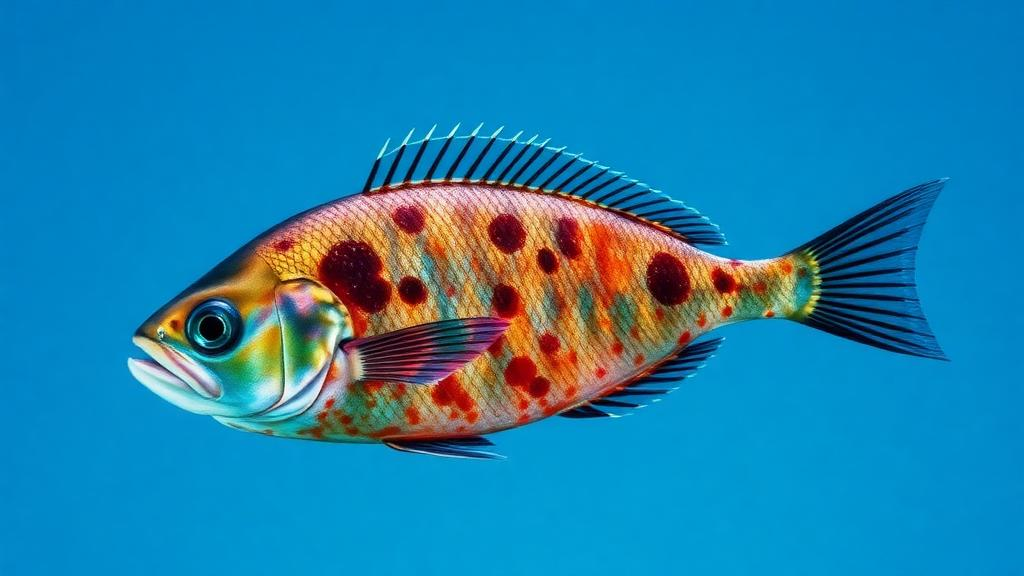
Image Credits: AI Generated
Keywords: Black Sea, teleost fish, intestinal microbiota, Pseudomonas, BIOLOG system, fish microbiology, marine bacteria, turbot, round goby, European anchovy, antibiotic resistance, water quality
Cite Scienmag News
Morgan Morrow. (October 18, 2026). Gut bacteria survey reveals distinct microbial signatures in Black Sea fish species. Scienmag. https://scienmag.com/gut-bacteria-survey-reveals-distinct-microbial-signatures-in-black-sea-fish-species/
Morgan Morrow. "Gut bacteria survey reveals distinct microbial signatures in Black Sea fish species." Scienmag, 18 October 2026, https://scienmag.com/gut-bacteria-survey-reveals-distinct-microbial-signatures-in-black-sea-fish-species/. Accessed 18 October 2026.
Morgan Morrow. "Gut bacteria survey reveals distinct microbial signatures in Black Sea fish species." Scienmag. October 18, 2026. https://scienmag.com/gut-bacteria-survey-reveals-distinct-microbial-signatures-in-black-sea-fish-species/


