


Addiction to drugs and alcohol remains one of the most stubborn public health challenges on the planet, and a newly published editorial in the journal Advances in Drug and Alcohol Research has pulled together the latest scientific thinking on why current treatments fall short and where the next breakthroughs might come from. The editorial, written by Emmanuel S. Onaivi of William Paterson University, summarizes a Special Issue built around the 8th biennial International Drug and Alcohol Research Society (IDARS) Conference held in 2022 in Nice, France. Its central message is sobering: substance use disorders, including alcohol use disorders, now affect more than 150 million people worldwide, and the therapies available today help only a small fraction of those who could benefit.
The scale of the problem is particularly stark in the United States, where alcohol use disorders alone afflict 29 million individuals and cause more than 140,000 deaths annually. Layered on top of this is the opioid crisis, which claims more than 100,000 lives every year. The COVID-19 pandemic made matters worse. Lockdowns and isolation drove excessive alcohol drinking, drug addiction, opioid overdose and death, and the emergence of so-called Long Hauler symptoms and neuroCOVID disorders has exacerbated substance use disorders as the disease transitions to endemic status. Onaivi argues that bridging the treatment gap and discovering new, more effective medications are urgent priorities that demand fresh research strategies and targets.
One of the most technically intriguing preclinical studies in the Special Issue came from North and colleagues, who examined how alcohol interacts with pregnenolone, a hormone supplement popular among people seeking cognitive and anti-aging benefits. Using male and female C57BL/6J mice, the team investigated the consequences for cerebral arteries in a scenario where humans take pregnenolone supplements while binge drinking. The results showed that pregnenolone at low concentrations synergized with alcohol to constrict the middle cerebral artery, a critical vessel supplying the brain. Remarkably, this synergism disappeared when both substances were studied at higher doses, suggesting a dose-dependent complexity in how the two compounds converge on the same vascular pathway.
Additional in vitro electrophysiological data and measurements of cerebral artery diameter provided evidence that pregnenolone and alcohol act on a common molecular route to evoke artery constriction. Specifically, both compounds inhibit large-conductance calcium- and voltage-gated potassium channels, known as BK channels, by disrupting the allosteric coupling that normally links calcium binding to channel gating. Because pregnenolone regulates several physiological processes, the study highlights that combining the supplement with alcohol may meaningfully impair brain artery function. This is particularly relevant given that alcohol use disorders occur in populations aged 65 and older, who may already be at risk for cerebrovascular ischemic conditions, making the supplement-alcohol interaction a genuine clinical concern rather than a laboratory curiosity.
A second preclinical study, by Roberts and colleagues, shifted attention to the CB2 cannabinoid receptor, a receptor increasingly recognized for its role in inflammation rather than the psychoactive effects typically associated with cannabinoid signaling. The team used conditional knockout mice with selective deletion of CB2 receptors from dopamine neurons and, in a separate group, from microglia, the resident immune cells of the brain. Motor function tests in activity monitors, wheel-running activity, rotarod performance and alcohol preference tests were used to evaluate behavioral alterations induced by alcohol, while ELISA assays measured levels of pro-inflammatory cytokines including tumor necrosis factor-alpha, interleukin-6, interleukin-1alpha and interleukin-1beta in the hippocampus.
The data revealed that cell-type specific deletion of CB2 receptors from dopamine neurons and microglia differentially altered behavioral and alcohol preference outcomes, and that this deletion enhanced alcohol-induced inflammation. Pharmacological intervention with the non-specific cannabinoid agonist WIN55212-2 reduced alcohol preference in both the conditional knockout and wild-type mice. These findings suggest that CB2 receptors modulate behavioral and immune perturbations caused by alcohol and may be exploited as a potential therapeutic target in alcohol use disorders, offering a route to treatment that avoids the psychoactive baggage of CB1 receptor targeting.
Turning to mechanisms that shape addiction across the lifespan, Crews and colleagues reviewed epigenetic regulation of microglia and neurons by proinflammatory signaling following adolescent intermittent ethanol exposure and in human alcohol use disorder. Their review centers on high mobility group box 1, or HMGB1, a cytokine-like molecule associated with brain proinflammatory signals in alcohol-induced changes. Adolescent intermittent ethanol exposure alters neuroimmune gene expression in neurons, microglia and astrocytes, increasing adult drinking and preference, anxiety and reward seeking. HMGB1 activates multiple proinflammatory receptors, including Toll-like receptors, which mediate proinflammatory gene induction. Epigenetic mechanisms of adolescent ethanol exposure have now emerged as drivers of alcohol-induced pathology in both rodents and post-mortem human alcohol use disorder hippocampus, linking adolescent drinking to lifelong signaling associated with pathological behavior and hyperkatifeia, the amplified negative emotional state that fuels addiction.
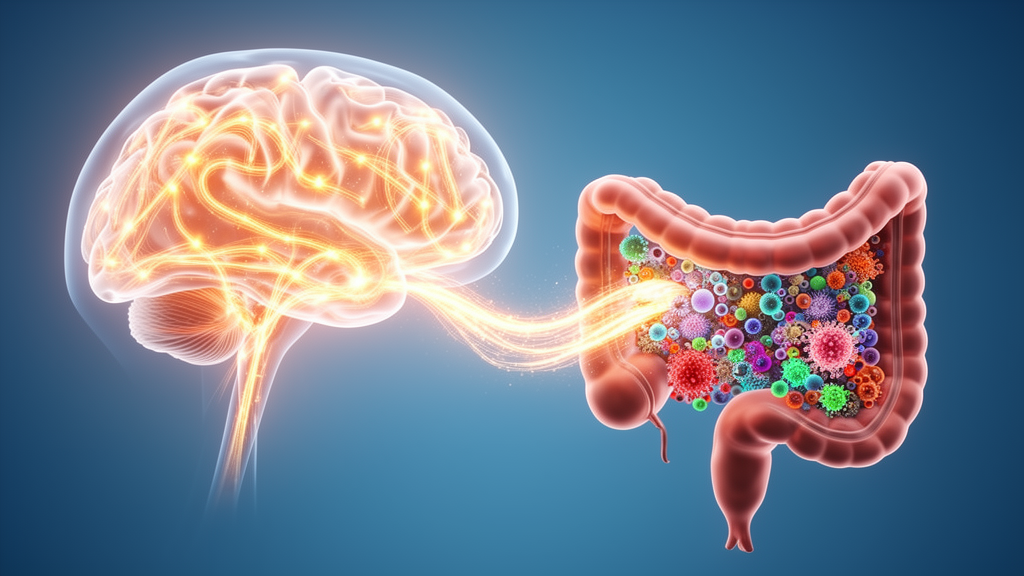
Two further reviews also focused on adolescent alcohol use. Hauser and colleagues examined how adolescent alcohol and nicotine exposure alters the adult response to alcohol, drawing on basic and clinical human research as well as preclinical rodent models, including alcohol-preferring rat lines. Their review summarized evidence that voluntary alcohol consumption and nicotine exposure during adolescence can promote alcohol consumption during adulthood, and identified mechanisms involving dopamine and cholinergic systems as potential pharmacological targets. Compounds such as varenicline, cholinesterase inhibitors, bupropion, lobeline and cytisine may reverse or prevent some of the deleterious adult changes following adolescent exposure. Getachew and colleagues, meanwhile, explored the growing importance of the bidirectional gut-brain axis, focusing on how adolescent alcohol use reshapes the gut microbiota. Dysbiosis, gut microbiome-microglia interactions and Toll-like receptor signaling suggest that crosstalk between the gut and brain may influence fetal alcohol spectrum disorder and adult alcohol use disorder, positioning the gut microbiome, nutrients and GPCR signaling as emerging therapeutic targets.
Rounding out the Special Issue, Vigorito and Chang reviewed alcohol use and the pain system, examining how nociception, nociceptive pain sensation and pain perception contribute to alcohol use, misuse and dependence. Their review covered the effects of alcohol at all levels of the pain system, from neuroimmune interactions and molecular aspects of nociception to spinal, supraspinal and affective-emotional circuits, along with maladaptive homeostasis and allostasis that drive the progression of alcohol use disorders. Taken together, the two research articles and four review articles in the Special Issue provide preclinical data and comprehensive discussion of multiple mechanisms associated with the effects of drugs and alcohol, while highlighting the treatment gaps that persist for substance use disorders.
Looking forward, Onaivi points to generative Artificial Intelligence systems as promising tools to improve individual health outcomes by streamlining diagnosis and treatment with clinical applications. While generative AI holds potential in the field of substance use disorders, caution is required as the functionalities of AI continue to evolve, as do the challenges of substance use disorders themselves. AI systems beyond ChatGPT, combined with advanced sensing and large quantitative approaches, may offer useful opportunities to identify more urgent and effective treatment medications for substance use disorders. As the research presented at the IDARS conference and captured in this Special Issue demonstrates, the path to better addiction treatment will likely require converging insights from vascular biology, neuroimmunology, epigenetics, the gut microbiome and computational science, each contributing pieces to a puzzle that has resisted simple solutions for decades.
Subject of Research: Neuroscience
Article Title: Editorial: 8th biennial international drug and alcohol research society conference 2022
Article References: Onaivi, E. S. (2025). Editorial: 8th biennial international drug and alcohol research society conference 2022. Advances in Drug and Alcohol Research, 4, Article 13706. https://doi.org/10.3389/adar.2024.13706
Image Credits: AI Generated
Keywords: addiction, alcohol use disorder, substance use disorder, CB2 cannabinoid receptors, gut microbiome, epigenetics, neuroimmune signaling, pregnenolone, BK channels, artificial intelligence, Editorial, biennial
Cite Scienmag News
Cassandra Pierce. (October 17, 2026). Inside the Science Fighting Alcohol and Drug Addiction: From Brain Channels to Gut Microbes. Scienmag. https://scienmag.com/inside-the-science-fighting-alcohol-and-drug-addiction-from-brain-channels-to-gut-microbes/
Cassandra Pierce. "Inside the Science Fighting Alcohol and Drug Addiction: From Brain Channels to Gut Microbes." Scienmag, 17 October 2026, https://scienmag.com/inside-the-science-fighting-alcohol-and-drug-addiction-from-brain-channels-to-gut-microbes/. Accessed 17 October 2026.
Cassandra Pierce. "Inside the Science Fighting Alcohol and Drug Addiction: From Brain Channels to Gut Microbes." Scienmag. October 17, 2026. https://scienmag.com/inside-the-science-fighting-alcohol-and-drug-addiction-from-brain-channels-to-gut-microbes/


