


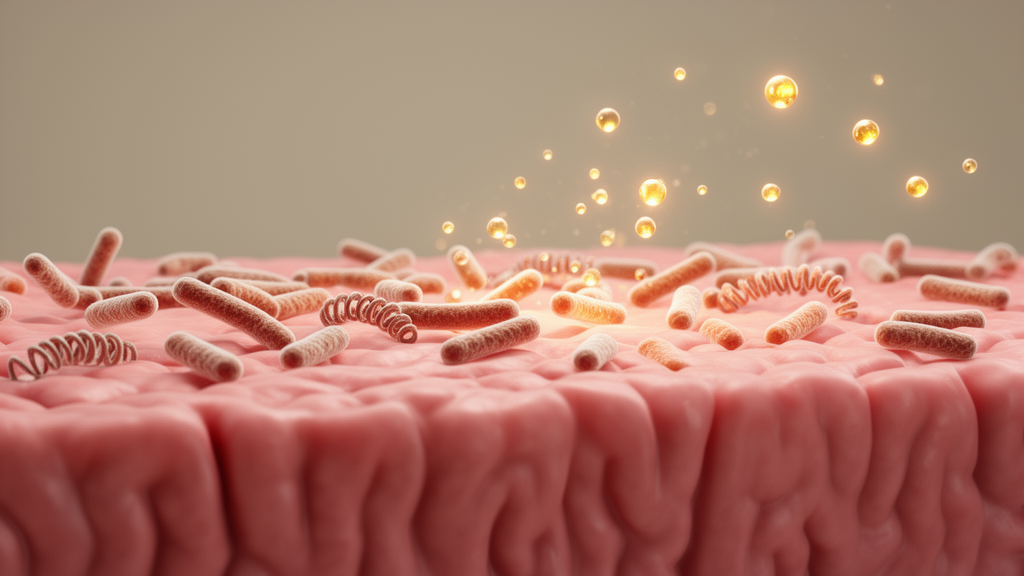
Obesity has long been framed as a simple equation of calories in versus calories out, but a new study from researchers at Banaras Hindu University in Varanasi, India, adds a striking third variable to that equation: bacteria. In a case-control observational study published in Frontiers in Microbiomes, a team led by Ranjeet Kumar Vishwakarma and Bhupendra Singh Yadav found that adult males with obesity carried markedly different communities of culturable Enterobacteriaceae in their guts compared with normal-weight controls, and that these microbial shifts ran in parallel with altered levels of the metabolic hormones leptin and insulin. The findings, while exploratory, point toward a triadic interaction among diet, gut bacteria, and endocrine signaling that may help explain why some people remain hungry and metabolically imbalanced even as their fat stores pile up.
The study enrolled 49 males aged 18 to 41 years, recruited from the outpatient department of the Institute of Medical Sciences at Banaras Hindu University between January 2022 and May 2023. Of these, 27 had obesity, defined by a body mass index exceeding 23 kilograms per square meter according to World Health Organization Asian-BMI criteria, while 22 served as age-matched normal-weight controls with a BMI between 18 and 22.9. Participants initially numbered 86, but stringent eligibility criteria and refusal to provide blood or stool samples whittled the final cohort down to 49. The researchers deliberately excluded anyone with recent significant weight loss, enrollment in a weight-loss program, weight-reduction surgery, chronic systemic illness, gastrointestinal disorders, or recent antibiotic or hormonal supplement use, all factors that could confound either the hormonal or the microbial measurements.
Fasting serum levels of leptin, ghrelin, and insulin were quantified using commercial sandwich enzyme-linked immunosorbent assay kits, a technique in which a monoclonal antibody coated onto microtiter wells captures the target hormone from serum, and a horseradish peroxidase conjugate generates a color signal proportional to the amount of hormone present. The results were unambiguous for two of the three hormones. Obese participants showed mean fasting leptin of 5.43 nanograms per milliliter, significantly higher than the 3.68 nanograms per milliliter observed in controls, and mean fasting insulin of 3.21 milli-international units per liter, significantly elevated above the control value of 2.49. Ghrelin, the stomach-derived orexigenic hormone that stimulates appetite, showed no significant difference between the two groups. Critically, leptin correlated positively with BMI in obese individuals, with a correlation coefficient of 0.423 and a p-value of 0.028, supporting the idea that increasing adiposity drives greater leptin production without restoring energy balance.
This pattern is consistent with the well-documented phenomenon of leptin resistance. Leptin, a 16-kilodalton adipokine secreted primarily by adipocytes, normally acts on the hypothalamus to suppress appetite and increase energy expenditure. In obesity, circulating leptin is typically elevated, yet appetite suppression fails due to impaired hypothalamic signaling, reduced leptin receptor sensitivity, and defective transport of the hormone across the blood-brain barrier. The result is persistent hunger, reduced energy expenditure, and progressive weight gain despite high leptin levels. Similarly, elevated fasting insulin in the obese group suggests compensatory hyperinsulinemia driven by insulin resistance, a state in which chronic low-grade inflammation impairs insulin receptor signaling and glucose uptake. The interaction between leptin and insulin is well recognized, and their dysregulation creates a self-perpetuating cycle of metabolic imbalance.
What distinguishes this study from many prior investigations of the gut-endocrine axis is its microbiological component. Stool samples from all participants were cultured on MacConkey agar and Deoxycholate Citrate agar, selective media that favor the growth of Gram-negative, facultatively anaerobic enteric bacteria. Isolates were identified to the species level using standard biochemical tests, including triple sugar iron agar reactions, indole production, citrate utilization, and urease activity, with the reference strain Escherichia coli ATCC 25922 serving as a control. In total, the analysis yielded 82 isolates, and the distribution between groups was dramatic. Klebsiella pneumoniae was recovered from 92.86 percent of the obese participants but only 7.14 percent of controls, whereas Escherichia coli predominated among the normal-weight group, accounting for 51.22 percent of isolates. Pseudomonas and Citrobacter species appeared in both groups at comparable rates.
To determine whether the Klebsiella strains from obese individuals were genetically distinct from those in controls, the researchers employed ERIC-PCR, a molecular fingerprinting technique that amplifies repetitive intergenic consensus sequences dispersed throughout bacterial genomes. The resulting banding patterns, separated on agarose gels and clustered using the unweighted pair group method with arithmetic mean and the Dice similarity coefficient, revealed four distinct clusters and 11 singletons among the 41 Escherichia coli and 28 Klebsiella pneumoniae strains studied. Cluster 2, which had the highest prevalence at 48 percent, contained the majority of Klebsiella strains from obese individuals, suggesting that a specific genetic variant of this bacterium might be more closely associated with obesity than others. Scanning electron microscopy confirmed the typical rod-shaped morphology of both species, with Klebsiella appearing as encapsulated bacilli and Escherichia coli as smaller, non-encapsulated rods.
The mechanistic significance of Klebsiella pneumoniae overgrowth in obesity lies in its outer membrane lipopolysaccharide, a potent endotoxin that activates Toll-like receptor 4 signaling pathways. When the intestinal barrier is compromised, as is common in obesity, LPS can translocate into systemic circulation and trigger chronic low-grade endotoxemia, stimulating production of pro-inflammatory cytokines such as tumor necrosis factor-alpha and interleukin-6. Both of these cytokines are implicated in insulin resistance and in the impairment of hypothalamic leptin signaling. The authors propose that persistent exposure to endotoxins from Klebsiella overgrowth could maintain systemic inflammatory tone, exacerbating leptin receptor desensitization and disrupting insulin signaling cascades. Some Klebsiella species have also demonstrated enhanced energy-harvesting capabilities from dietary substrates, potentially increasing caloric extraction from food and promoting fat deposition. Previous experimental work has shown that an opportunistic pathogen isolated from the gut of an obese human can cause obesity when transferred to germfree mice, lending plausibility to a direct microbial contribution to adiposity.
Dietary assessment, conducted through structured semi-quantitative questionnaires administered by direct interview, revealed a consistent pattern of food choices that aligned with the microbial and hormonal findings. Obese participants reported significantly higher intake of fast food, fried foods, white flour products, soft drinks, and potato chips, along with reduced consumption of vegetables, freshly prepared home-cooked meals, fruits, and vitamin or mineral supplements. They also reported greater daytime hunger and higher meat consumption. Correlation analysis showed that refined sugar intake was positively associated with insulin levels in both groups, supporting the established link between dietary glycemic load and hyperinsulinemia. In the obese group, leptin showed a significant negative correlation with freshly prepared home-cooked meals, while ghrelin correlated negatively with vitamin and mineral intake. In controls, ghrelin showed a strong negative correlation with home-cooked produce, indicating that those who ate more home-cooked meals tended to have reduced appetite-stimulating hormone levels.
The authors frame these observations as a triadic interaction in which an unhealthy diet fosters Enterobacteriaceae overgrowth, which in turn induces inflammatory responses that subsequently impair leptin and insulin signaling. High-fat and high-sugar diets are known to favor the proliferation of Proteobacteria, the phylum to which Enterobacteriaceae belongs, and to alter gut permeability and microbial diversity in ways that may promote Klebsiella overgrowth. The reduced intake of fruits and vegetables among obese participants may therefore not only influence endocrine balance directly but also promote the microbial dysbiosis that feeds back into metabolic inflammation. This integrated model strengthens the hypothesis that obesity is not merely an endocrine disorder but a microbiota-associated inflammatory state, in which the gut microbiota may not only reflect obesity-related changes but also actively contribute to metabolic deterioration.
The researchers are careful to note the limitations of their exploratory design. The sample size of 49 was modest, limiting statistical power and generalizability, and the cross-sectional structure prevents determination of whether Klebsiella predominance precedes or follows the hormonal dysregulation. Fasting glucose measurements were not available, so insulin resistance could not be quantified through HOMA-IR. Most importantly, the microbiological analysis was restricted to selective culture of facultative anaerobic Enterobacteriaceae, a method that captures only a fraction of total gut microbial diversity and may introduce selection bias toward easily cultivable organisms. The cohort included only adult Indian males from a single center, and dietary assessment relied on self-reported frequency questionnaires without detailed caloric quantification, introducing potential recall bias. The authors call for larger, multicenter studies incorporating 16S rRNA sequencing, metagenomics, and metabolomic profiling to validate the observed microbial-hormonal associations and to comprehensively characterize gut dysbiosis in obesity. If confirmed, these findings could open new avenues for microbiota-targeted therapeutic strategies, including dietary modulation designed to restore a healthier balance of enteric bacteria and thereby alleviate the inflammatory burden that perpetuates leptin and insulin resistance.
Subject of Research: Integrated microbial and endocrine signatures of obesity: Enterobacteriaceae alterations, hormonal profiles, and dietary correlates in adult males
Article Title: Integrated microbial and endocrine signatures of obesity: Enterobacteriaceae alterations, hormonal profiles, and dietary correlates in adult males
Article References: Vishwakarma, R. K., Yadav, B. S., Gautam, P., Sahu, M., & Nath, G. (2026). Integrated microbial and endocrine signatures of obesity: Enterobacteriaceae alterations, hormonal profiles, and dietary correlates in adult males. Frontiers in Microbiomes, 5, Article 1867961. https://doi.org/10.3389/frmbi.2026.1867961
Image Credits: AI Generated
DOI: 10.3389/frmbi.2026.1867961
Keywords: obesity, gut microbiome, leptin, insulin, Klebsiella pneumoniae, Enterobacteriaceae, diet, metabolic health, Integrated, microbial, endocrine, signatures
Cite Scienmag News
Morgan Morrow. (October 16, 2026). Gut Bacteria and Hormones Linked to Obesity in New Study of Indian Men. Scienmag. https://scienmag.com/gut-bacteria-and-hormones-linked-to-obesity-in-new-study-of-indian-men/
Morgan Morrow. "Gut Bacteria and Hormones Linked to Obesity in New Study of Indian Men." Scienmag, 16 October 2026, https://scienmag.com/gut-bacteria-and-hormones-linked-to-obesity-in-new-study-of-indian-men/. Accessed 16 October 2026.
Morgan Morrow. "Gut Bacteria and Hormones Linked to Obesity in New Study of Indian Men." Scienmag. October 16, 2026. https://scienmag.com/gut-bacteria-and-hormones-linked-to-obesity-in-new-study-of-indian-men/


