


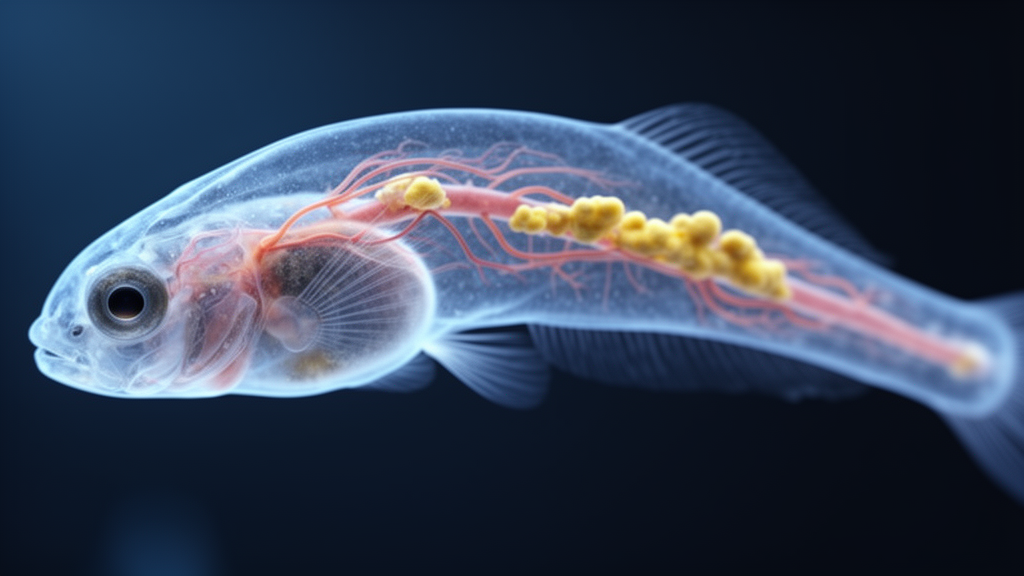
A new study has revealed that exposure to perfluorooctane sulfonate, better known as PFOS, may trigger the earliest phenotypic alterations of atherosclerosis, the pathological foundation of most cardiovascular disease. The research, published in BMC Pharmacology and Toxicology, integrated network toxicology prediction, in silico molecular docking, and in vivo zebrafish experiments to map out the molecular mechanism by which this persistent environmental contaminant aggravates pro-atherosclerotic toxicity. The findings suggest that PFOS exposure disrupts lipid homeostasis and activates a specific inflammatory cascade, potentially serving as an upstream driver of vascular inflammation and macrophage infiltration.
PFOS is a typical persistent emerging environmental contaminant, closely correlated with increased cardiovascular disease risks. Atherosclerosis serves as the core pathological basis of cardiovascular disorders, yet the explicit molecular mechanism underlying PFOS-induced pro-atherosclerotic toxicity has remained unclear, limiting the assessment of its environmental cardiovascular hazards. The new study aimed to close that gap by identifying the key signaling axis and pathogenic mechanism of PFOS-aggravated atherosclerosis through a combination of computational prediction and experimental validation.
The research team screened overlapping target genes of PFOS toxicity and atherosclerosis, identifying sixty overlapping target genes. From these, they pinpointed ten hub genes, predominantly CCL2 and CCR2, that were significantly enriched in cytokine-receptor interaction and chemokine signaling pathways. These hub genes represent the critical molecular nodes through which PFOS exposure may exert its pro-atherosclerotic effects, offering a focused target for further investigation into the contaminant’s cardiovascular toxicity.
To validate the computational predictions, the researchers performed molecular docking analyses to assess the binding affinity between PFOS and the core hub proteins. All core hub proteins exhibited high binding affinity with PFOS, with binding energies below −6 kcal/mol. This strong binding suggests a plausible physical interaction between the contaminant and the proteins encoded by the hub genes, lending mechanistic weight to the network toxicology predictions and supporting the hypothesis that PFOS directly engages the CCL2/CCR2 inflammatory axis.
The in vivo phase of the study relied on zebrafish exposure assays, a widely used model for cardiovascular research due to the transparency of embryos and the genetic conservation of key inflammatory pathways. The researchers exposed zebrafish to PFOS and observed dose-dependent developmental toxicity, lipid metabolism disorder, and excessive inflammatory infiltration. These phenotypic alterations mirror the early stages of atherosclerosis, providing a living model of how the contaminant may initiate vascular damage long before overt disease appears.
Crucially, the zebrafish experiments confirmed significant upregulation of CCL2 and CCR2 following PFOS exposure, aligning the in vivo results with the computational predictions. The researchers employed multiple transgenic zebrafish lines to visualize specific cell populations, including Tg(mpeg1:EGFP) with green fluorescent protein labeling macrophages, Tg(lyzc:dsRed) with red fluorescent protein labeling neutrophils, Tg(gata1a:mCherry) with red fluorescent protein labeling hematopoietic cells, and Tg(flk1:EGFP) with green fluorescent protein labeling vascular endothelial cells. They also used apoeb knockout zebrafish, a model of hypercholesterolemia, to examine atherosclerotic-like phenotypes. The convergence of gene expression changes and cellular infiltration patterns strengthens the case that the CCL2/CCR2 inflammatory cascade is a key pathogenic event in PFOS cardiovascular toxicity.
The study’s conclusion is that PFOS exposure was associated with exacerbated early atherosclerotic lesions, possibly through disrupted lipid homeostasis and activation of the CCL2/CCR2 inflammatory cascade, which may serve as an upstream driver of vascular inflammation and macrophage infiltration. This integrated computational and in vivo approach characterizes key pathogenic events associated with PFOS cardiovascular toxicity, provides correlative molecular insights into the pro-atherosclerotic effects of PFOS, and identifies potential biomarker candidates for the toxicological safety evaluation of emerging per- and polyfluoroalkyl substance (PFAS) alternatives.
The implications of the research extend beyond PFOS itself. As industries phase out older PFAS compounds and introduce alternatives, the toxicological safety of these emerging substitutes remains an open question. The biomarker candidates identified in this study, particularly the CCL2/CCR2 axis, could serve as a template for evaluating whether newer PFAS alternatives carry similar pro-atherosclerotic risks. The zebrafish model, with its suite of transgenic reporter lines and knockout strains, offers a scalable platform for such assessments, allowing researchers to visualize inflammatory cell recruitment and vascular alterations in living animals.
The work was supported by the National Natural Science Foundation of China, the Shandong Traditional Chinese Medicine Science and Technology Project, and the Natural Science Foundation of Shandong Province. The research team, led by corresponding authors Wenqing Yang and Dan Zhang at Shandong University of Traditional Chinese Medicine, acknowledges the zebrafish platform of the Animal Experiment Center for providing the multiple zebrafish strains used in the study. As PFOS and related PFAS compounds continue to be detected in water systems and human blood samples worldwide, studies like this one provide the mechanistic foundation needed to understand and ultimately mitigate their cardiovascular hazards.
Beyond the headline findings, the study’s methodological architecture deserves attention because it illustrates how modern toxicology increasingly blends computational screening with whole-organism validation. Network toxicology begins by mining databases for genes associated with a chemical’s known toxicity and with a disease of interest, then intersecting those gene sets to find targets where the compound and the pathology converge. In this case, the intersection yielded sixty overlapping genes, which were then narrowed to ten hub genes through topological analysis of protein-protein interaction networks. Hub genes occupy central positions in these networks, meaning they connect many other genes and are therefore more likely to represent biologically consequential control points rather than peripheral noise. The prominence of CCL2 and CCR2 among these hubs is consistent with decades of vascular biology research showing that chemokine signaling is a master regulator of leukocyte recruitment to the arterial wall.
The CCL2/CCR2 axis itself has a well-established role in atherogenesis. CCL2, also known as monocyte chemoattractant protein-1, is secreted by endothelial cells and smooth muscle cells in response to inflammatory stimuli, while CCR2 is the receptor expressed on the surface of circulating monocytes. When CCL2 binds CCR2, it guides these monocytes out of the bloodstream and into the vessel wall, where they differentiate into macrophages, ingest lipids, and transform into the foam cells that characterize early atherosclerotic plaques. Disrupting this axis in animal models has repeatedly been shown to reduce plaque formation, which is why the finding that PFOS upregulates both the ligand and its receptor is mechanistically significant. It suggests the contaminant may amplify the very signaling pathway that draws inflammatory cells into the arterial intima.
The molecular docking results add a complementary layer of evidence. Docking simulations predict how tightly a small molecule fits into the binding pockets of target proteins, and binding energies below −6 kcal/mol are generally interpreted as favorable interactions in this kind of screening context. While docking cannot replace experimental confirmation of binding, it provides a rational filter for prioritizing which protein targets merit in vivo follow-up. The consistency between the docking predictions and the observed gene expression changes in exposed zebrafish strengthens the overall inferential chain, even though the authors appropriately frame their conclusions in correlational rather than strictly causal terms.
The choice of zebrafish as the experimental platform also carries scientific weight. Zebrafish embryos develop externally and remain optically transparent during early life, allowing researchers to observe immune cell trafficking and vascular morphology in real time under fluorescence microscopy. The transgenic lines used in the study each label a distinct cell population: macrophages, neutrophils, hematopoietic cells, and vascular endothelial cells. By combining these reporter lines with the apoeb knockout background, which impairs lipid clearance and predisposes fish to hypercholesterolemia, the researchers could examine whether PFOS accelerates atherosclerotic-like changes in a susceptible model. This design reflects a broader trend in toxicology toward using vertebrate models that bridge the gap between cell culture studies and mammalian experiments, offering physiological complexity at a scale and cost that permits dose-response characterization.
The dose-dependent nature of the observed toxicity is another important dimension. Developmental toxicity, lipid metabolism disorder, and inflammatory infiltration all intensified with increasing PFOS concentration, which is the kind of monotonic relationship that supports a toxicological interpretation rather than random biological variation. Dose-response data also provide a foundation for future risk assessment work, since regulatory frameworks for environmental chemicals typically rely on identifying the levels at which adverse effects begin to emerge. It is worth noting, however, that the exposure concentrations used in laboratory zebrafish studies often exceed the levels measured in human blood, so translating these findings into human risk estimates requires careful consideration of exposure magnitude, duration, and life stage.
PFOS belongs to the broader family of per- and polyfluoroalkyl substances, synthetic chemicals valued for their resistance to heat, water, and grease, which made them ubiquitous in products ranging from firefighting foams to food packaging. That same chemical stability makes them extraordinarily persistent in the environment and resistant to degradation in the human body, where some PFAS compounds have elimination half-lives measured in years. Epidemiological studies have repeatedly associated PFAS exposure with elevated cholesterol, hypertension, and other cardiovascular risk factors, but the cellular mechanisms connecting exposure to disease have been harder to pin down. This study contributes a candidate mechanism, linking a specific chemokine pathway to the early vascular changes that precede clinically apparent atherosclerosis.
For the field of PFAS toxicology, the identification of biomarker candidates may prove to be one of the most durable contributions. As regulatory pressure phases out legacy compounds and manufacturers shift to shorter-chain alternatives, researchers face a growing backlog of replacement chemicals whose cardiovascular safety profiles remain largely uncharacterized. A validated set of molecular markers, such as CCL2 and CCR2 expression changes detectable in a rapid vertebrate screening model, could streamline comparative testing across the PFAS family. Whether the same inflammatory signature holds true in mammalian systems and in humans exposed at environmental levels remains an open question, and the authors’ framing of their results as correlative molecular insights reflects that appropriate scientific caution. Follow-up studies in mammalian models and human cohort data will be needed to determine how readily these zebrafish findings generalize to human cardiovascular risk.
Subject of Research: Early atherosclerotic phenotypic alterations induced by PFOS exposure: a network toxicology and zebrafish model study
Article Title: Early atherosclerotic phenotypic alterations induced by PFOS exposure: a network toxicology and zebrafish model study
Article References: Wang, H., Yin, J., Zhao, F., Li, M., Zhang, X., Peng, S., Jiang, T., Liang, D., Yang, W., & Zhang, D. (2026). Early atherosclerotic phenotypic alterations induced by PFOS exposure: a network toxicology and zebrafish model study. BMC Pharmacology and Toxicology. https://doi.org/10.1186/s40360-026-01262-5
Image Credits: AI Generated
DOI: 10.1186/s40360-026-01262-5
Keywords: PFOS, atherosclerosis, zebrafish, cardiovascular disease, environmental toxicology, CCL2, CCR2, PFAS, network toxicology, molecular docking, Early, atherosclerotic
Cite Scienmag News
Ophelia Keating. (October 16, 2026). PFOS Exposure May Trigger Early Atherosclerosis, Zebrafish Study Reveals. Scienmag. https://scienmag.com/pfos-exposure-may-trigger-early-atherosclerosis-zebrafish-study-reveals/
Ophelia Keating. "PFOS Exposure May Trigger Early Atherosclerosis, Zebrafish Study Reveals." Scienmag, 16 October 2026, https://scienmag.com/pfos-exposure-may-trigger-early-atherosclerosis-zebrafish-study-reveals/. Accessed 16 October 2026.
Ophelia Keating. "PFOS Exposure May Trigger Early Atherosclerosis, Zebrafish Study Reveals." Scienmag. October 16, 2026. https://scienmag.com/pfos-exposure-may-trigger-early-atherosclerosis-zebrafish-study-reveals/


