


When a blood clot blocks an artery feeding the brain, every minute counts. Doctors can often reopen the vessel with clot-busting drugs or mechanical thrombectomy, but a cruel paradox follows: as oxygen-rich blood rushes back into oxygen-starved tissue, it triggers a second wave of damage known as cerebral ischemia-reperfusion injury, or CIRI. This reperfusion injury inflames the brain, ruptures the blood-brain barrier, kills neurons, and erodes memory and motor function. Now, a team of researchers in Anhui, China, reports that pairing a plant-derived compound with a simple form of exercise may blunt that damage far more effectively than either approach alone, and they have traced the molecular circuitry responsible.
The study, published in the journal 3 Biotech by Mao Ye of the Anhui ZHONG-AO Institute of Technology and colleagues at Anhui University of Chinese Medicine, examined hydroxysafflor yellow A, or HSYA, a water-soluble pigment extracted from safflower, a plant long used in traditional Chinese medicine. The researchers combined HSYA treatment with swimming-based aerobic exercise in rats subjected to middle cerebral artery occlusion and reperfusion, a widely used laboratory model of ischemic stroke. Their central finding is striking: the combination therapy acted synergistically, restoring learning and memory, shrinking brain infarcts, repairing the blood-brain barrier, and rebuilding synaptic connections through activation of the HIF-1α/CREB signaling pathway.
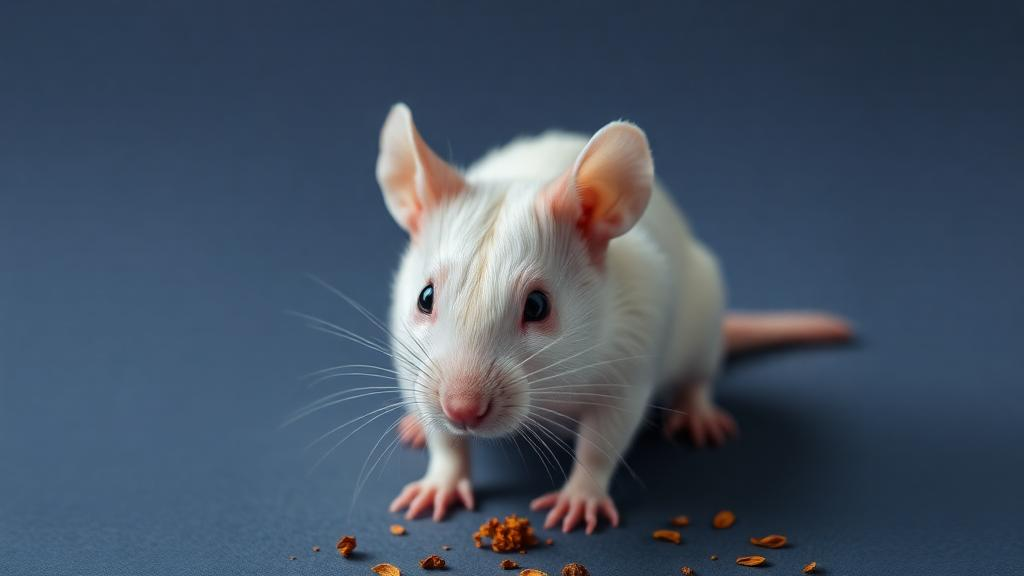
To model human stroke, the team used the intraluminal suture method, in which a fine filament is threaded into a blood vessel to block the middle cerebral artery. The rats endured two hours of ischemia before the suture was withdrawn and blood flow was restored, mimicking the clinical sequence of a clot followed by reperfusion therapy. The animals were then divided into four groups: a sham-operated control group, a model group receiving no treatment, a group given HSYA alone, and a group receiving both HSYA and a structured aerobic swimming regimen. This design allowed the researchers to isolate the contribution of each intervention and, crucially, to test whether their effects were additive or genuinely synergistic.
Behavioral testing came first. In the Morris water maze, a standard assay in which rodents must learn the location of a hidden platform using spatial cues, the combination-treated rats located the platform significantly faster than untreated stroke animals, indicating preserved learning and memory. Open field tests, which measure exploratory locomotion and anxiety-like behavior, corroborated the cognitive gains. These functional improvements were not merely subjective impressions; they tracked with hard anatomical evidence. Staining brain sections with 2,3,5-triphenyltetrazolium chloride, a dye that distinguishes living tissue from infarcted tissue, revealed that the combined intervention dramatically reduced the volume of dead brain tissue compared with the untreated model group.
Under the microscope, the differences were equally clear. Hematoxylin and eosin staining showed that neurons in the combination group retained healthier morphology, while TUNEL staining, which flags cells undergoing the programmed death known as apoptosis, demonstrated that far fewer neurons were lost when HSYA and exercise were applied together. The researchers also turned their attention to the blood-brain barrier, the tightly sealed lining of endothelial cells that shields the brain from blood-borne toxins and immune cells. Reperfusion injury is notorious for tearing this barrier open, allowing fluid and inflammatory molecules to flood brain tissue and worsen swelling. Immunofluorescence and Western blot analyses showed that the combination therapy markedly upregulated two key tight junction proteins, ZO-1 and occludin, the molecular rivets that hold barrier cells together, indicating effective structural repair of the damaged barrier.
Perhaps the most clinically exciting results concerned synaptic recovery. Strokes destroy not only neurons but the connections between them, and lasting functional recovery depends on rebuilding those circuits. The combination group showed elevated levels of PSD95, a scaffold protein essential to the receiving side of a synapse; GAP43, a marker of axonal regeneration and growth cone activity; and SYN, or synaptophysin, a protein abundant in synaptic vesicles. Alongside these structural markers, levels of the neurotrophins BDNF and NGF rose as well. These growth factors act as fertilizers for neuronal survival and plasticity, encouraging damaged networks to sprout, rewire, and strengthen. Together, the data suggest the therapy does more than keep neurons alive; it actively promotes the repair of the circuitry underlying memory and movement.
To understand how a safflower pigment and a swimming routine could converge on the same biology, the researchers employed molecular docking, a computational technique that predicts how small molecules fit into the binding pockets of target proteins. Docking simulations suggested that HSYA interacts favorably with HIF-1α, the alpha subunit of hypoxia-inducible factor 1, a master transcriptional regulator that switches on genes helping cells survive low oxygen. Western blotting then confirmed that the combined intervention significantly elevated expression of HIF-1α and of phosphorylated CREB, the cyclic AMP response element-binding protein, a transcription factor central to learning, memory, and long-term synaptic plasticity. The convergence of these two pathways offers a mechanistic explanation for the synergy: the drug and the exercise appear to amplify a shared pro-survival, pro-repair signaling axis.
The HIF-1α/CREB axis is an intriguing therapeutic target because it sits at the intersection of oxygen sensing and neuroplasticity. HIF-1α orchestrates adaptive responses to hypoxia, including angiogenesis and glycolytic metabolism, which can help revascularize and re-energize penumbral tissue after a stroke. CREB, meanwhile, drives the expression of plasticity-related genes, including BDNF, which the study found elevated in the combination group. Exercise is already known to stimulate neurotrophic signaling, and prior work from the same research group and others has linked HSYA to protection of brain microvascular endothelial cells and suppression of mitochondrial apoptosis. The new findings knit these threads together, proposing that pharmacological activation of hypoxia-adaptive signaling and exercise-driven plasticity signaling reinforce one another rather than merely adding up.
The study carries important caveats. It was conducted in rats, and rodent stroke models, while invaluable, have a long history of therapies that succeeded in animals but failed in human trials. The swimming protocol, dosing, and timing of HSYA administration would all need optimization and validation in larger preclinical studies before any translation to patients. Stroke rehabilitation in humans already includes graded aerobic exercise, so the more realistic near-term question is whether HSYA, or related compounds, could be safely layered onto existing rehabilitation programs. Notably, the authors report that the work was supported by a key project under the 2023 Natural Science Research Fund for Universities in Anhui Province, and they declare no conflicts of interest.
Even so, the research adds to a growing body of evidence that multimodal combination strategies, rather than any single magic bullet, may be the key to treating reperfusion injury after stroke. Thrombolytic drugs and mechanical clot retrieval save lives by restoring blood flow, but they do little for the biochemical storm that follows. By simultaneously shoring up the blood-brain barrier with restored tight junctions, boosting neurotrophic support, and engaging the HIF-1α/CREB pathway, the HSYA-plus-exercise regimen offers a template for therapies that address the downstream biology of stroke rather than only its upstream cause. If future studies confirm these mechanisms in larger models and eventually in clinical settings, an ancient safflower pigment, paired with something as accessible as regular aerobic exercise, could become a meaningful piece of the post-stroke recovery puzzle.
Subject of Research: Combined hydroxysafflor yellow A and aerobic exercise therapy for cerebral ischemia-reperfusion injury via the HIF-1α/CREB pathway
Article Title: Combined intervention: hydroxysafflor yellow A acts synergistically with aerobic exercise to alleviate cerebral ischemia-reperfusion injury via the HIF-1α/CREB pathway
Article References: Ye, M., Peng, Y., Sun, H., Shen, X., Wang, Y., & Huang, P. (2026). Combined intervention: hydroxysafflor yellow A acts synergistically with aerobic exercise to alleviate cerebral ischemia-reperfusion injury via the HIF-1α/CREB pathway. 3 Biotech, 16(11), Article 453. https://doi.org/10.1007/s13205-026-05036-y
Image Credits: AI Generated
DOI: 10.1007/s13205-026-05036-y
Keywords: cerebral ischemia-reperfusion injury, hydroxysafflor yellow A, aerobic exercise, HIF-1α/CREB pathway, blood-brain barrier, synaptic plasticity, stroke, neuroprotection, BDNF, tight junction proteins, middle cerebral artery occlusion, neurotrophins
Cite Scienmag News
Cassandra Pierce. (October 4, 2026). Saffron Compound Plus Exercise Shows Synergy Against Stroke Damage in Rats. Scienmag. https://scienmag.com/saffron-compound-plus-exercise-shows-synergy-against-stroke-damage-in-rats/
Cassandra Pierce. "Saffron Compound Plus Exercise Shows Synergy Against Stroke Damage in Rats." Scienmag, 4 October 2026, https://scienmag.com/saffron-compound-plus-exercise-shows-synergy-against-stroke-damage-in-rats/. Accessed 4 October 2026.
Cassandra Pierce. "Saffron Compound Plus Exercise Shows Synergy Against Stroke Damage in Rats." Scienmag. October 4, 2026. https://scienmag.com/saffron-compound-plus-exercise-shows-synergy-against-stroke-damage-in-rats/


