


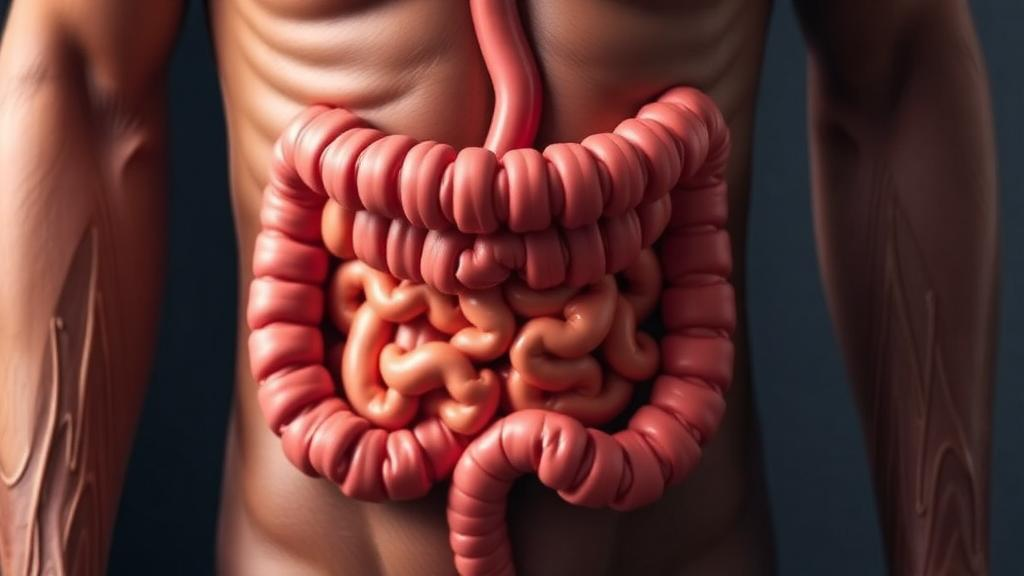
A short holiday of excess eating may be enough to set the immune system on edge, according to a new controlled trial from Denmark. Researchers at the University of Copenhagen and Herlev-Gentofte Hospital asked twenty healthy, lean men to abandon moderation for just fourteen days, consuming roughly 4,641 kilocalories per day while limiting physical activity to fewer than 5,000 steps. The results, published in the journal iScience, reveal that even this brief burst of overfeeding and sedentary living measurably loosened the small intestinal barrier, ramped up mucosal immune defenses against bacterial molecules, and triggered an acute inflammatory response in the liver. Some of these inflammatory signatures had not fully subsided eight weeks after the men returned to their normal routines, suggesting that periodic episodes of indulgence may leave molecular fingerprints that accumulate over a lifetime.
The motivation behind the study stems from a persistent gap in metabolic science. While obesity is projected to affect more than half of the global adult population by 2050, remarkably little is known about the very first events that set the condition in motion in humans. Animal studies have long implicated the intestinal barrier, a single layer of epithelial cells held together by tight junctions that separates the teeming microbial community of the gut lumen from the bloodstream. When this barrier weakens, bacterial components such as lipopolysaccharide, or LPS, can slip into circulation, a phenomenon known as metabolic endotoxemia that has been linked to low-grade inflammation, insulin resistance, and fatty liver disease. But confirming these dynamics in living people has been notoriously difficult, because reliable biomarkers of gut barrier function remain scarce and contested.
To address this, the team designed a gastrointestinal uptake and translocation panel, abbreviated GUT, comprising more than two dozen plasma biomarkers that together capture enterocyte function, mucosal immunity, endotoxin exposure, and epithelial integrity. The twenty participants, all white Danish men with a body mass index around 23, were examined at three time points: before the intervention, immediately after the two-week hypercaloric period, and eight weeks after resuming their habitual lifestyle. The diet consisted of 56 percent carbohydrates, 34 percent fat, and 9 percent protein, delivered as standardized meal boxes emphasizing moderate to high glycemic index foods such as bread, pasta, and polished rice, with fiber intake dropping to an average of just 13 grams per day.
The first striking finding concerned citrulline, a non-protein amino acid synthesized exclusively by enterocytes of the small intestine and widely used as a marker of absorptive capacity. Plasma citrulline rose by approximately 9 percent, from a median of 33.2 to 36.2 micromolar, after the overfeeding period, and returned to baseline eight weeks later. This pattern suggests the intestinal lining responded to the caloric flood by transiently enhancing its absorptive machinery, perhaps through increased villus height or altered permeability, rather than through chronic epithelial expansion. Intriguingly, fasting levels of GLP-2, an intestinotrophic hormone that normally reinforces barrier function and promotes enterocyte proliferation, tended to decline during the intervention, hinting that epithelial renewal may have been temporarily blunted even as absorption ramped up.
The clearest signal of barrier disruption came from zonulin, a physiological modulator of small intestinal permeability that dissociates epithelial tight junctions in response to microbial stimuli. Plasma zonulin roughly doubled after two weeks of overfeeding, a highly significant change that fully reversed at follow-up. Strikingly, zonulin levels correlated strongly with the degree of weight gain: the more a participant’s body mass index, whole body fat, visceral fat mass, and insulin resistance increased, the higher their zonulin climbed. This tight coupling between emerging adiposity and barrier loosening supports a model in which acute overfeeding promotes bacterial encroachment across the gut lining as one of the earliest detectable perturbations, before any overt disease develops.
That encroachment appears to have been met by a targeted mucosal immune response. Anti-LPS immunoglobulin A, the antibody class that patrols mucosal surfaces, increased by about 25 percent during the intervention, while anti-LPS IgG, which reflects systemic antibody exposure, remained unchanged. The researchers interpret this divergence as evidence that bacterial encroachment stayed confined to the mucosal compartment rather than disseminating into the bloodstream. Supporting this, quantitative PCR of bacterial 16S rRNA genes in buffy coat samples from the circulation showed no significant change in bacterial load before and after the diet. Other endotoxemia markers, including LPS-binding protein, CD14, and CD163, also failed to shift consistently, reinforcing the picture of a gut-restricted rather than systemic event.
Yet the liver clearly took notice. Serum amyloid A, an acute-phase protein produced by hepatocytes, surged approximately 2.5-fold within two weeks, accompanied by a more modest but significant rise in high-sensitivity C-reactive protein and a transient increase in interleukin-32, a cytokine previously linked to hepatic steatosis and the severity of metabolic dysfunction-associated steatotic liver disease. These hepatic signals paralleled the liver fat accumulation previously documented in this same cohort. While SAA, hsCRP, and IL-32 largely declined after the recovery period, SAA remained elevated in several individuals, with a median increase of roughly 70 percent from baseline to follow-up, hinting that the hepatic immune system retains a memory of the overfeeding episode.
Perhaps most concerning were the markers that refused to come back down. Intercellular adhesion molecule-1 and vascular cell adhesion molecule-1, which orchestrate leukocyte trafficking across blood vessel walls, and lipocalin-2, a marker of neutrophil activity and intestinal inflammation, either remained elevated or continued rising after participants resumed their normal lives, with VCAM-1 showing a median 35 percent increase at eight-week follow-up. By contrast, a broad panel of classical pro- and anti-inflammatory cytokines, including IL-6, TNF-alpha, and interferon-gamma, showed no consistent changes. The authors caution that part of the sustained adhesion molecule elevation could reflect prior mRNA COVID-19 vaccination, which was widespread in Denmark during the study period, but the overall pattern suggests that brief holiday-style overfeeding may imprint longer-lasting endothelial and neutrophil-associated inflammatory alterations.
The study has limitations worth noting. It included only men, partly because menstrual cycle-related inflammatory fluctuations would confound the endpoints and because women are generally less inclined to voluntarily gain around 5 percent of their body weight. The sample size of twenty and the short follow-up limit the detection of subtler effects, and the lack of intestinal tissue sampling or functional permeability testing means the biomarker story cannot yet be tied directly to structural changes in the gut wall. The prepared meals also followed conventional dietary guidelines rather than emphasizing ultra-processed foods, which previous trials suggest could aggravate metabolic and inflammatory outcomes even further.
Nevertheless, the findings carry an unmistakable message for anyone who views vacation weight gain as harmless. A two-week period of overeating and inactivity, entirely within the range of ordinary real-life behavior, was sufficient to transiently compromise the small intestinal barrier, heighten mucosal immune activation against bacterial products, and ignite a coordinated gut-liver inflammatory response in young, healthy, lean individuals. If such episodes recur year after year, the residual inflammatory signatures observed here could plausibly accumulate, contributing to the immunometabolic remodeling that precedes obesity, type 2 diabetes, and fatty liver disease. The gut, it seems, keeps score far earlier than the bathroom scale does.
Subject of Research: Effects of short-term overfeeding on small intestinal barrier integrity and gut-liver immune activation in healthy men
Article Title: Short term overfeeding disrupts small intestinal barrier integrity and activates hepatic immunity in healthy men
Article References: Nägele, N. S., Suppli, M. P., Gilliam-Vigh, H., Petersen, N., Hartmann, B., Knop, F. K., Lund, A. B., & Jensen, B. A. (2026). Short term overfeeding disrupts small intestinal barrier integrity and activates hepatic immunity in healthy men. iScience, 29(10), Article 117724. https://doi.org/10.1016/j.isci.2026.117724
Image Credits: AI Generated
DOI: 10.1016/j.isci.2026.117724
Keywords: overfeeding, intestinal barrier, zonulin, metabolic endotoxemia, gut-liver axis, serum amyloid A, anti-LPS IgA, citrulline, insulin resistance, obesity, inflammation, iScience
Cite Scienmag News
Kristina Jarvis. (October 4, 2026). Two Weeks of Overeating Weakens the Gut Barrier and Ignites Liver Immunity in Healthy Men. Scienmag. https://scienmag.com/two-weeks-of-overeating-weakens-the-gut-barrier-and-ignites-liver-immunity-in-healthy-men/
Kristina Jarvis. "Two Weeks of Overeating Weakens the Gut Barrier and Ignites Liver Immunity in Healthy Men." Scienmag, 4 October 2026, https://scienmag.com/two-weeks-of-overeating-weakens-the-gut-barrier-and-ignites-liver-immunity-in-healthy-men/. Accessed 4 October 2026.
Kristina Jarvis. "Two Weeks of Overeating Weakens the Gut Barrier and Ignites Liver Immunity in Healthy Men." Scienmag. October 4, 2026. https://scienmag.com/two-weeks-of-overeating-weakens-the-gut-barrier-and-ignites-liver-immunity-in-healthy-men/


