


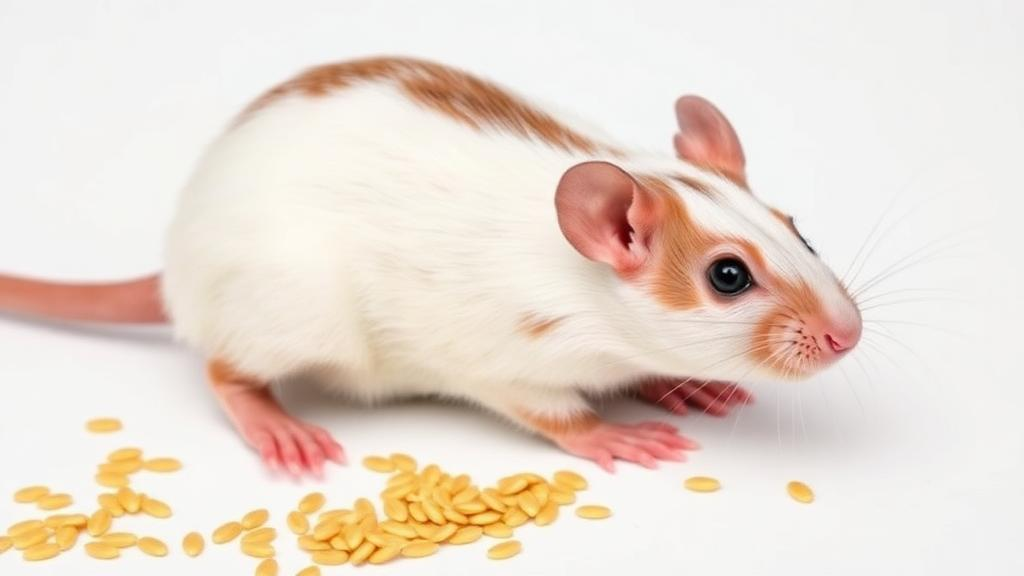
Bisphenol A, the plastic additive that has quietly infiltrated nearly every corner of modern life, may have met an unexpected dietary adversary. A new preliminary study from researchers at Vidyasagar University in India reports that an ethanolic extract of quinoa seeds substantially protected the ovaries of female rats from the reproductive damage caused by daily BPA exposure. The findings, published in the open-access journal Discover Toxicology, add a compelling new chapter to the ongoing scientific effort to blunt the effects of endocrine-disrupting chemicals with everyday foods.
BPA, chemically known as 2,2-bis(4-hydroxyphenyl) propane, is a workhorse of industrial chemistry. It forms the backbone of polycarbonate plastics and epoxy resins and lurks in food packaging linings, metal cans, water bottles, electronic devices, toys, and medical equipment. Because its molecular structure features two phenolic rings resembling those of the hormone estradiol, BPA can mimic estrogenic activity in the body. The bonds holding BPA within polymerized resins are flexible enough that acidic or basic conditions and elevated temperatures liberate the compound, allowing it to migrate into food and drink. As a lipophilic molecule, it enters the body through mucous membranes, the respiratory tract, and skin, most often via the food chain.
The consequences of this ubiquitous exposure are far from trivial. BPA has been detected in breast milk, ovarian follicular fluid, amniotic fluid, umbilical cord blood, and placental tissues, indicating that humans are exposed from before birth onward. Research has linked the compound to elevated free radical production, disrupted meiosis, oocyte degeneration, and impaired ovarian function. The ovary is particularly vulnerable to oxidative stress, which can derail steroidogenesis, damage follicles, and degrade ovarian tissue. Prior studies have shown that BPA lowers estradiol levels, reduces the numbers of antral and primary follicles and corpora lutea, and promotes apoptotic changes in granulosa cells that may prevent ovulation altogether.
Enter quinoa, the Andean pseudocereal once revered as the mother of grains by the Incas and now celebrated globally as a superfood. Beyond its exceptional protein content and balanced amino acid profile, quinoa carries a pharmacological portfolio that includes antimicrobial, antioxidant, immunomodulatory, antidiabetic, neuroprotective, and hepatoprotective effects. Its seeds contain terpenoids, steroids, phenolic acids, and flavonoids with demonstrated anti-inflammatory, anticancer, and antidepressant potential. Earlier work had shown that quinoa seed powder could protect female rats against reproductive damage from the chemotherapy drug cisplatin, but no one had tested the seed extract against BPA-induced ovarian injury until now.
The research team, led by Pijus Kanti Jana and corresponding author Sandip Chattopadhyay, first characterized their hydroethanolic quinoa seed extract using liquid chromatography coupled with mass spectrometry. The analysis revealed four prominent phytochemical peaks: gallic acid, the most abundant compound at 170.76 mass-to-charge ratio, followed by caffeic acid, quercetin, and a 5-n-nonadecylresorcinol derivative. These molecules would prove central to the story, as each carries documented antioxidant, anti-inflammatory, or phytoestrogenic credentials that map neatly onto the damage pathways BPA exploits.
For the experiment itself, twenty-four virgin female Wistar albino rats, aged six to seven weeks, were randomly divided into four groups of six. Over twenty-eight consecutive days, the animals received daily oral gavage: a control group received olive oil alone, a positive control received quinoa ethanolic extract at 400 milligrams per kilogram of body weight, a BPA group received the chemical at 100 milligrams per kilogram, and a combined group received both BPA and the extract. The team monitored estrous cycles daily through vaginal smears, then on day twenty-nine collected serum and organs for an exhaustive battery of biochemical, molecular, and histological assays, all conducted under institutional ethics approval.
The results were striking across every measure. Rats exposed to BPA alone showed disrupted estrous cycles dominated by persistent metestrus and diestrus, significantly reduced serum estradiol and progesterone, diminished expression of the steroidogenic enzymes 3-beta-hydroxysteroid dehydrogenase and aromatase, and depleted estrogen receptor-alpha signaling. Their ovaries harbored arrested follicular growth and atretic follicles, and their relative ovarian weight dropped significantly. Antioxidant enzymes, including superoxide dismutase, catalase, and glutathione peroxidase, were sharply suppressed, while lipid peroxidation markers malondialdehyde and conjugated dienes surged and lactate dehydrogenase leaked into the serum, a signature of cellular membrane damage and necrosis.
Coadministration of the quinoa extract reversed nearly all of this damage. Treated rats regained more regular estrous cycles, normalized hormone levels, and restored expression of ER-alpha, 3-beta-HSD, and aromatase. Antioxidant enzyme activity and expression rebounded, lipid peroxidation fell dramatically, and serum LDH declined, indicating protection from tissue necrosis. The inflammatory cascade also quieted: ovarian levels of TNF-alpha, NF-kappa-B, and IL-6, all significantly elevated by BPA, dropped toward baseline after quinoa supplementation. At the transcript level, BPA had boosted proapoptotic genes p53 and BAX while suppressing the antiapoptotic Bcl-2, an imbalance signaling cell cycle arrest and programmed cell death; quinoa co-treatment corrected this ratio. Under the microscope, ovaries from the combined group showed a predominance of normally developing follicles and far fewer atretic structures than the BPA-only group.
The authors attribute these protective effects to the specific phytochemicals identified in the extract. Quercetin, a phytoestrogen, can interact with estrogen receptors to improve estrogen and progesterone levels, while resorcinol engages helix 3 of ER-alpha through hydrogen bonding, exerting partial agonistic activity that helps restore estradiol signaling. On the antioxidant front, resorcinol activates Nrf2-mediated signaling, and gallic acid and quercetin raise cellular glutathione, scavenging reactive oxygen species before they can peroxidize cell membranes. Gallic acid also inhibits phosphorylation of I-kappa-B kinase, blocking NF-kappa-B nuclear translocation and the ensuing cytokine storm, while quercetin suppresses MAPK and downstream NF-kappa-B signaling and caffeic acid downregulates the TLR4/MyD88 pathway. Together, these molecules intercept BPA’s damage at the estrogenic, oxidative, inflammatory, and apoptotic levels simultaneously.
The researchers caution that this is a preliminary in vivo study in rats, and the doses involved, particularly the 100 milligrams per kilogram BPA exposure, far exceed typical human intake. Translating these findings into dietary recommendations for women will require dose-ranging work, pharmacokinetic data, and ultimately human studies. Still, the concept is tantalizing: a widely available, nutrient-dense seed whose bioactive compounds appear to fortify the ovary against one of the most pervasive contaminants of the industrial age. As concerns over endocrine disruptors continue to mount, quinoa’s journey from ancient Incan staple to potential protective nutraceutical offers a vivid reminder that sometimes the tools for fighting modern chemical hazards may have been growing in the Andes all along.
Subject of Research: Protective effects of quinoa seed extract against bisphenol A-induced ovarian toxicity in female rats
Article Title: Exploring the protective effects of ethanolic extract of Chenopodium quinoa seed (quinoa) on the reproductive alterations of BPA-exposed females in vivo: a preliminary study
Article References: Jana, P. K., Sil, S., Ghosh, A., Sultana, I., & Chattopadhyay, S. (2025). Exploring the protective effects of ethanolic extract of Chenopodium quinoa seed (quinoa) on the reproductive alterations of BPA-exposed females in vivo: a preliminary study. Discover Toxicology, 2(1), Article 7. https://doi.org/10.1007/s44339-025-00023-z
Image Credits: AI Generated
DOI: 10.1007/s44339-025-00023-z
Keywords: bisphenol A, quinoa, ovarian toxicity, endocrine disruptors, oxidative stress, phytoestrogens, gallic acid, quercetin, reproductive health, antioxidants, Wistar rats, steroidogenesis
Cite Scienmag News
Sloane Callahan. (October 3, 2026). Quinoa Extract Shields Rat Ovaries From Plastic Chemical Damage, Study Finds. Scienmag. https://scienmag.com/quinoa-extract-shields-rat-ovaries-from-plastic-chemical-damage-study-finds/
Sloane Callahan. "Quinoa Extract Shields Rat Ovaries From Plastic Chemical Damage, Study Finds." Scienmag, 3 October 2026, https://scienmag.com/quinoa-extract-shields-rat-ovaries-from-plastic-chemical-damage-study-finds/. Accessed 3 October 2026.
Sloane Callahan. "Quinoa Extract Shields Rat Ovaries From Plastic Chemical Damage, Study Finds." Scienmag. October 3, 2026. https://scienmag.com/quinoa-extract-shields-rat-ovaries-from-plastic-chemical-damage-study-finds/


