


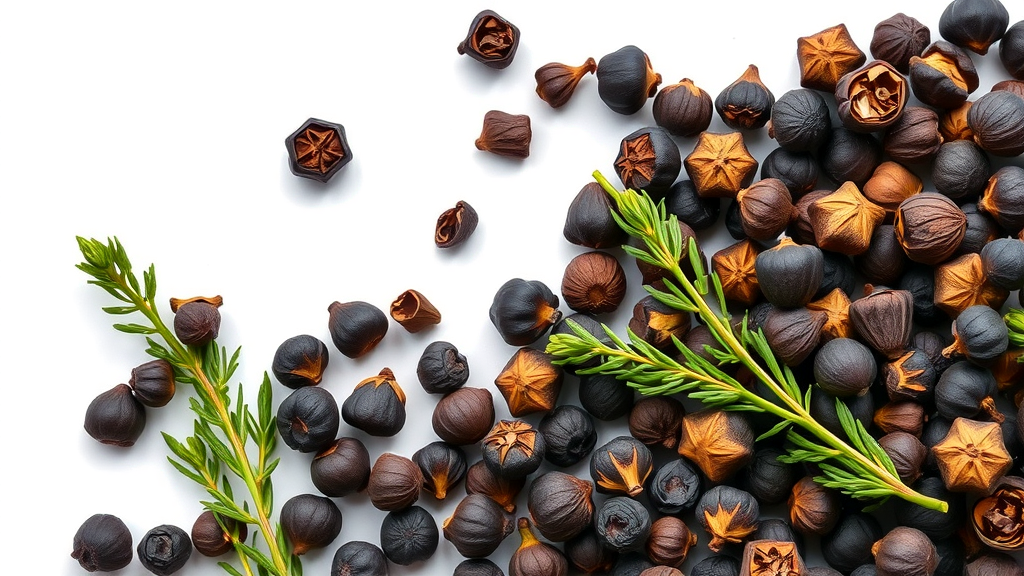
Chronic wounds that refuse to heal have become one of the quiet burdens of modern medicine, and the rise of antimicrobial resistance is making them harder to treat every year. In clinics around the world, wounds colonized by resilient bacterial and fungal biofilms often stall in a state of persistent inflammation, exposing patients to prolonged pain, repeated infections, and, in severe cases, amputation. Against this backdrop, a team of researchers from Sabaragamuwa University of Sri Lanka and the Chinese Academy of Tropical Agricultural Sciences has taken a distinctly natural approach to the problem. In a study published in BMC Complementary Medicine and Therapies, the scientists screened eight plant-derived essential oils for antimicrobial power and then engineered the two most promising candidates into hydrogel wound films that combine infection control, biofilm inhibition, and antioxidant protection in a single transparent dressing.
The screening process began with a broad comparison of essential oils extracted from different plant species, each tested against three clinically significant microorganisms: the bacterium Staphylococcus aureus, the bacterium Escherichia coli, and the yeast Candida albicans. These three organisms represent the classic spectrum of wound pathogens, spanning Gram-positive bacteria, Gram-negative bacteria, and fungi, and any candidate material that cannot suppress all three is unlikely to perform reliably in a contaminated wound bed. After this initial round of testing, two oils clearly separated themselves from the pack: the essential oil of black pepper, Piper nigrum, and that of a juniper species, Juniperus rigida. Both oils had previously been valued in traditional medicine systems, but this study quantified their activity with modern microbiological precision.
The numbers behind the two finalists tell a compelling story. Piper nigrum essential oil achieved minimum inhibitory concentrations, or MICs, of just 0.125 to 0.25 percent by volume across the tested organisms, significantly lower than the 0.25 to 0.5 percent range recorded for Juniperus rigida, a difference the authors report as statistically significant. When the oils were applied at their MIC in time-kill assays, Piper nigrum produced reductions of at least three log10 colony-forming units per milliliter, meaning the microbial populations were cut by a factor of a thousand or more. Such reductions are considered bactericidal rather than merely bacteriostatic, an important distinction for a dressing intended to actively clear infection rather than simply slow microbial growth.
Biofilms, however, are the true fortress of chronic wound infections. Within these self-produced matrices of extracellular polymeric substances, bacteria become up to a thousand times more tolerant of antibiotics and disinfectants than their free-floating counterparts. The researchers therefore measured how well the two oils could prevent biofilms from forming and how effectively they could eradicate established ones. Piper nigrum once again outperformed its competitor, with a minimum biofilm inhibitory concentration for 50 percent inhibition of 0.25 percent compared with 0.5 percent for Juniperus rigida, and a minimum biofilm eradication concentration of 1.0 percent versus 2.0 percent. The authors note these differences were statistically significant, reinforcing black pepper oil’s position as the stronger all-around candidate.
Identifying potent oils, however, is only half the challenge. Essential oils are volatile, hydrophobic mixtures that evaporate quickly and can irritate tissue if applied directly, so delivering them to a wound requires a compatible carrier. The team turned to a hydrogel film made from carboxymethyl cellulose and polyvinyl alcohol, two well-established, biocompatible polymers. Carboxymethyl cellulose contributes a polysaccharide backbone that supports moisture retention, while polyvinyl alcohol lends mechanical strength and film-forming ability. When the selected essential oils were incorporated into this CMC-PVA matrix, the resulting films retained their antimicrobial punch, producing inhibition zones of 18.2 plus or minus 0.8 millimeters against Staphylococcus aureus and 16.1 plus or minus 0.7 millimeters against Candida albicans, confirming that the polymer environment did not neutralize the oils’ bioactivity.
The physical characterization of the films reveals why this particular polymer combination suits wound care so well. The films were transparent with only a mild yellow tint, a color difference score below six, which would allow clinicians to visually inspect the wound without removing the dressing. Their hydrophilic surfaces, measured by water contact angles below fifty degrees, paired with a high swelling capacity of roughly 180 plus or minus 8 percent, position them to absorb the copious exudate that characterizes infected and chronic wounds while maintaining a moist healing environment. Water vapour permeability, ranging from 1.8 times 10 to the negative ninth to 2.7 times 10 to the negative ninth grams per millimeter per square meter per day per kilopascal, sits in a range that allows the wound to breathe without drying out, a balance long recognized as essential for optimal tissue repair.
Spectroscopic and microscopic analyses confirmed that the oils had been genuinely integrated into the films rather than simply sitting on the surface. Fourier-transform infrared spectroscopy revealed new carbon-oxygen double bond and carbon-oxygen single bond absorption bands in the EO-loaded films, chemical signatures attributable to the oil constituents. Scanning electron microscopy showed that oil incorporation increased surface roughness and introduced microporosity, an effect most pronounced at the 1 percent oil concentration. That microporous architecture is more than cosmetic: pores can facilitate gas exchange and provide sites for controlled release of the antimicrobial compounds, while a rougher topography may also influence how cells interact with the dressing surface during tissue regeneration.
Beyond fighting microbes, the study addressed the oxidative stress that sabotages healing in chronic wounds. Inflammatory wound environments are saturated with reactive oxygen species that damage newly formed tissue, so an antioxidant dressing could meaningfully accelerate repair. In DPPH radical-scavenging assays, the Piper nigrum-loaded films neutralized 65 plus or minus 3 percent of the radical species, while the Juniperus rigida films achieved 50 plus or minus 4 percent. Both figures indicate substantial antioxidant capacity embedded directly in the dressing material. Equally important, biocompatibility testing with Vero cells demonstrated cell viability above 85 percent for the films, suggesting that the concentrations of oil needed for antimicrobial action do not compromise the living tissue the dressing is meant to protect.
The authors conclude that both Piper nigrum and Juniperus rigida essential oils exhibit strong antimicrobial, antibiofilm, and antioxidant activities, with black pepper oil consistently demonstrating superior efficacy across the statistical comparisons. By embedding these oils in carboxymethyl cellulose-polyvinyl alcohol hydrogel films and showing that bioactivity and favorable physicochemical properties survive the fabrication process, the team has laid the groundwork for a new class of bioactive dressings aimed at infected wounds and wounds compromised by oxidative stress. Much work remains before such dressings reach clinical use, including testing in more complex wound models and eventually in patients, but the study offers a vivid example of how traditional plant remedies, when put through rigorous modern evaluation and combined with polymer engineering, can yield genuinely multifunctional medical materials. In an era when antibiotic options are narrowing, a transparent film spun from kitchen pepper and wild juniper is a reminder that some of the most powerful tools against infection may still come from plants.
Subject of Research: Screening plant essential oils for incorporation into CMC-PVA hydrogel films as multifunctional antimicrobial wound dressings
Article Title: Screening of plant essential oils identifies Piper nigrum and Juniperus rigida for incorporation into carboxymethyl cellulose-polyvinyl alcohol hydrogel films as potential multifunctional wound dressings
Article References: Perera, V., Tang, M., Li, J., Perera, N., Perera, R., Wickramaratne, M. N., & Yang, Y. (2026). Screening of plant essential oils identifies Piper nigrum and Juniperus rigida for incorporation into carboxymethyl cellulose-polyvinyl alcohol hydrogel films as potential multifunctional wound dressings. BMC Complementary Medicine and Therapies. https://doi.org/10.1186/s12906-026-05560-7
Image Credits: AI Generated
DOI: 10.1186/s12906-026-05560-7
Keywords: essential oils, Piper nigrum, Juniperus rigida, hydrogel films, wound dressing, antimicrobial activity, antibiofilm, antioxidant, carboxymethyl cellulose, polyvinyl alcohol, antimicrobial resistance, biocompatibility
Cite Scienmag News
Kristina Jarvis. (September 20, 2026). Black Pepper and Stiff Juniper Oils Show Promise in New Multifunctional Wound Dressings. Scienmag. https://scienmag.com/black-pepper-and-stiff-juniper-oils-show-promise-in-new-multifunctional-wound-dressings/
Kristina Jarvis. "Black Pepper and Stiff Juniper Oils Show Promise in New Multifunctional Wound Dressings." Scienmag, 20 September 2026, https://scienmag.com/black-pepper-and-stiff-juniper-oils-show-promise-in-new-multifunctional-wound-dressings/. Accessed 20 September 2026.
Kristina Jarvis. "Black Pepper and Stiff Juniper Oils Show Promise in New Multifunctional Wound Dressings." Scienmag. September 20, 2026. https://scienmag.com/black-pepper-and-stiff-juniper-oils-show-promise-in-new-multifunctional-wound-dressings/


